
The world around us hums, roars, whispers, and sings in vastly different frequencies. Where you stand determines what you hear. 🌍

Sound is more than just background noise—it’s an invisible architecture that shapes our daily experiences, influences our mental health, and defines the character of the spaces we inhabit. The acoustic environments of cities and countryside couldn’t be more different, each offering unique challenges and unexpected benefits that affect millions of people worldwide.
Understanding the soundscape variations between urban and rural settings has become increasingly important as global urbanization continues at an unprecedented pace. Today, more than half of the world’s population lives in urban areas, a figure expected to reach 68% by 2050. This massive demographic shift brings the question of sound quality to the forefront of public health, urban planning, and environmental conservation discussions.
🏙️ The Symphony of the City: Urban Acoustic Landscapes
Urban soundscapes represent some of the most complex acoustic environments on our planet. Cities pulse with a multilayered cacophony that never truly sleeps, creating what acoustic ecologists call “anthrophony”—sounds generated exclusively by human activity.
The typical urban soundscape includes traffic noise as its dominant feature, with vehicles producing sound levels that regularly exceed 70-85 decibels during peak hours. Construction sites add percussive elements, often reaching 90-100 decibels. Sirens pierce through at 110-120 decibels, while subway systems rumble beneath at 80-90 decibels. The human voice adds yet another layer, with conversations, street vendors, and pedestrian activity creating a constant murmur that ranges from 60-70 decibels.
What makes urban sound particularly challenging isn’t just the volume—it’s the unpredictability and lack of natural rhythms. Unlike rural environments where sounds follow circadian patterns tied to wildlife and weather, city noise maintains relatively constant levels throughout the day and night, creating what researchers call “acoustic monotony” despite the apparent variety.
The Hidden Costs of Urban Noise Pollution
The World Health Organization estimates that Western Europeans lose over one million healthy life years annually due to noise pollution. Urban dwellers face increased risks of cardiovascular disease, sleep disturbance, cognitive impairment in children, and heightened stress levels. Studies have shown that every 10-decibel increase in nighttime noise levels correlates with a 14% increase in hypertension risk.
Yet cities aren’t acoustic wastelands. They contain their own unique beauty—the melodic calls of street musicians, the rhythmic patterns of footsteps on sidewalks, the distinctive sounds that give neighborhoods their character. The challenge lies in balancing functional urban noise with acoustic quality of life.
🌾 The Quieter Chorus: Rural Sound Environments
Rural soundscapes offer a stark contrast to their urban counterparts, dominated by what acoustic ecologists term “biophony” (biological sounds) and “geophony” (natural environmental sounds). These environments typically register between 20-40 decibels during quiet periods, with occasional peaks during specific events like thunderstorms or agricultural activities.
The rural acoustic palette includes birdsong at dawn and dusk, wind moving through vegetation, water flowing in streams, insect choruses during warm months, and the intermittent sounds of farm animals and equipment. These sounds follow natural rhythms—seasonal changes, diurnal cycles, and weather patterns—creating what many describe as a more “peaceful” or “restorative” acoustic environment.
However, rural doesn’t always mean quiet. Agricultural machinery during harvest season can produce noise levels comparable to urban traffic, reaching 85-95 decibels. Wind turbines generate consistent low-frequency sounds around 35-45 decibels. Even wildlife can be surprisingly loud, with certain bird species, frogs, and insects creating impressive acoustic displays that exceed 80 decibels at close range.
The Psychological Benefits of Natural Soundscapes
Research consistently demonstrates that exposure to natural soundscapes reduces stress hormones, lowers blood pressure, and improves cognitive function. A study published in Scientific Reports found that natural sounds in national parks improved health and mood outcomes while decreasing stress and annoyance levels. The irregular patterns and frequency distributions of natural sounds appear to engage our attention in restorative rather than demanding ways.
📊 Measuring the Decibel Divide: A Comparative Analysis
| Environment Type | Average Daytime dB | Average Nighttime dB | Peak Levels |
|---|---|---|---|
| Dense Urban Core | 70-85 dB | 60-70 dB | 110-120 dB |
| Suburban Areas | 50-65 dB | 40-50 dB | 80-90 dB |
| Small Rural Towns | 40-55 dB | 30-40 dB | 70-85 dB |
| Remote Rural Areas | 20-40 dB | 15-30 dB | 60-75 dB |
These measurements reveal the significant acoustic gap between urban and rural environments. The difference isn’t merely about volume—it’s about consistency, predictability, and the presence or absence of natural acoustic patterns that our biology evolved to process.
🎧 The Technology Factor: Monitoring and Managing Soundscapes
Modern technology has transformed how we measure, analyze, and respond to environmental noise. Sound level meter apps have democratized acoustic monitoring, allowing citizens to document noise pollution in their neighborhoods and contribute to larger datasets used by researchers and policymakers.
These digital tools have revealed surprising insights about soundscape variations. Urban parks, even small ones, can reduce ambient noise by 5-10 decibels compared to surrounding streets. Green corridors and tree-lined streets provide meaningful acoustic buffering. Meanwhile, in rural areas, technology has helped identify “quiet areas”—increasingly rare locations where natural sounds dominate and human-generated noise remains minimal.
Smart Cities and Acoustic Planning
Forward-thinking cities are implementing acoustic monitoring networks that track noise levels in real-time, identifying hotspots and informing urban planning decisions. Barcelona’s noise monitoring system uses sensors throughout the city to create dynamic noise maps. Copenhagen has incorporated soundscape considerations into its urban design guidelines, requiring acoustic impact assessments for new developments.
🏗️ Architectural Interventions: Shaping Sound Through Design
Both urban and rural environments are being reimagined through acoustic-conscious design. Cities are implementing:
- Sound barriers and noise walls along highways and railways, reducing nearby residential noise by 10-15 decibels
- Quiet pavement technology that absorbs tire noise, decreasing road noise by up to 5 decibels
- Green infrastructure including vertical gardens and green roofs that absorb and deflect sound waves
- Pedestrian zones and traffic-calming measures that fundamentally alter neighborhood soundscapes
- Acoustic panels and materials on building facades that minimize sound reflection and amplification
Rural areas face different acoustic challenges, primarily focused on preserving natural soundscapes against encroaching development. Conservation efforts increasingly include acoustic monitoring as a biodiversity indicator, recognizing that healthy ecosystems produce rich, diverse soundscapes.
🧠 Neurological Responses: How Different Soundscapes Shape Our Brains
Neuroscience research reveals that urban and rural soundscapes activate different neural pathways and produce distinct psychological effects. Urban noise triggers stress responses in the amygdala, releases cortisol, and can maintain the body in a state of low-level vigilance. Chronic exposure correlates with attention difficulties, reduced working memory capacity, and decreased problem-solving abilities, particularly in children.
Natural soundscapes, by contrast, activate the parasympathetic nervous system, promoting restoration and recovery. The irregular patterns of wind, water, and birdsong engage the brain’s attention in what psychologists call “soft fascination”—a mode that allows cognitive resources to replenish. This explains why even brief exposure to natural sounds can improve concentration, creativity, and emotional regulation.
The Adaptation Phenomenon
Interestingly, humans demonstrate remarkable adaptability to their acoustic environments. Long-term urban residents often develop selective attention filters, unconsciously tuning out constant background noise. Rural residents, meanwhile, become highly attuned to subtle acoustic changes that might signal weather shifts, animal activity, or mechanical problems. These adaptations shape perception but don’t eliminate the physiological impacts of chronic noise exposure.
🌍 Cultural Perspectives: How Different Societies Perceive Soundscapes
The urban-rural sound divide isn’t experienced uniformly across cultures. In Japanese tradition, the concept of “ma”—mindful appreciation of silence and space—influences both urban and rural soundscape design. Japanese cities incorporate water features and carefully positioned vegetation to create acoustic pockets of tranquility. Traditional rural Japanese communities developed bell systems and acoustic signals that harmonized with rather than dominated natural sounds.
Mediterranean cultures embrace more vibrant urban soundscapes, with outdoor cafes, street life, and social activity considered positive acoustic elements rather than noise. Northern European countries, particularly Scandinavian nations, prioritize quiet in both urban planning and rural conservation, viewing low noise levels as essential to quality of life.
🔮 Future Soundscapes: Trends Reshaping Urban and Rural Acoustics
The acoustic future of both urban and rural environments faces significant transformation. Electric vehicles promise to reduce urban traffic noise by 4-8 decibels, fundamentally altering city soundscapes within the next two decades. This shift requires careful planning—too much quiet might create safety concerns for pedestrians and cyclists accustomed to hearing approaching vehicles.
Urban agriculture and green infrastructure movements are introducing more natural sounds into cities, creating hybrid soundscapes that blend anthrophony and biophony. Rooftop gardens attract birds and insects, creating unexpected acoustic diversity in dense urban cores.
Rural areas face different pressures. Renewable energy development introduces new sound sources—wind turbines, solar farm infrastructure, and electric transmission facilities. Agricultural intensification increases mechanical noise while reducing natural sounds as habitats shrink. Climate change is already altering biophonic soundscapes as species distributions shift and seasonal patterns change.
🎯 Finding Your Acoustic Balance: Practical Considerations
Understanding soundscape differences should inform personal choices about where and how to live. Urban dwellers seeking acoustic relief can:
- Prioritize residences on higher floors, away from street level, where noise levels drop by 3-5 decibels per floor
- Choose locations near parks or green spaces that provide acoustic buffering
- Invest in acoustic treatments like soundproof windows, which can reduce interior noise by 30-40 decibels
- Use white noise or nature sound machines to mask urban noise with more restorative acoustic patterns
- Establish “quiet hours” in daily routines for acoustic recovery
Rural residents should appreciate and protect their acoustic environments while remaining realistic about rural sound diversity. Supporting conservation efforts, minimizing unnecessary noise generation, and advocating for acoustic considerations in development decisions all contribute to preserving valuable quiet spaces.
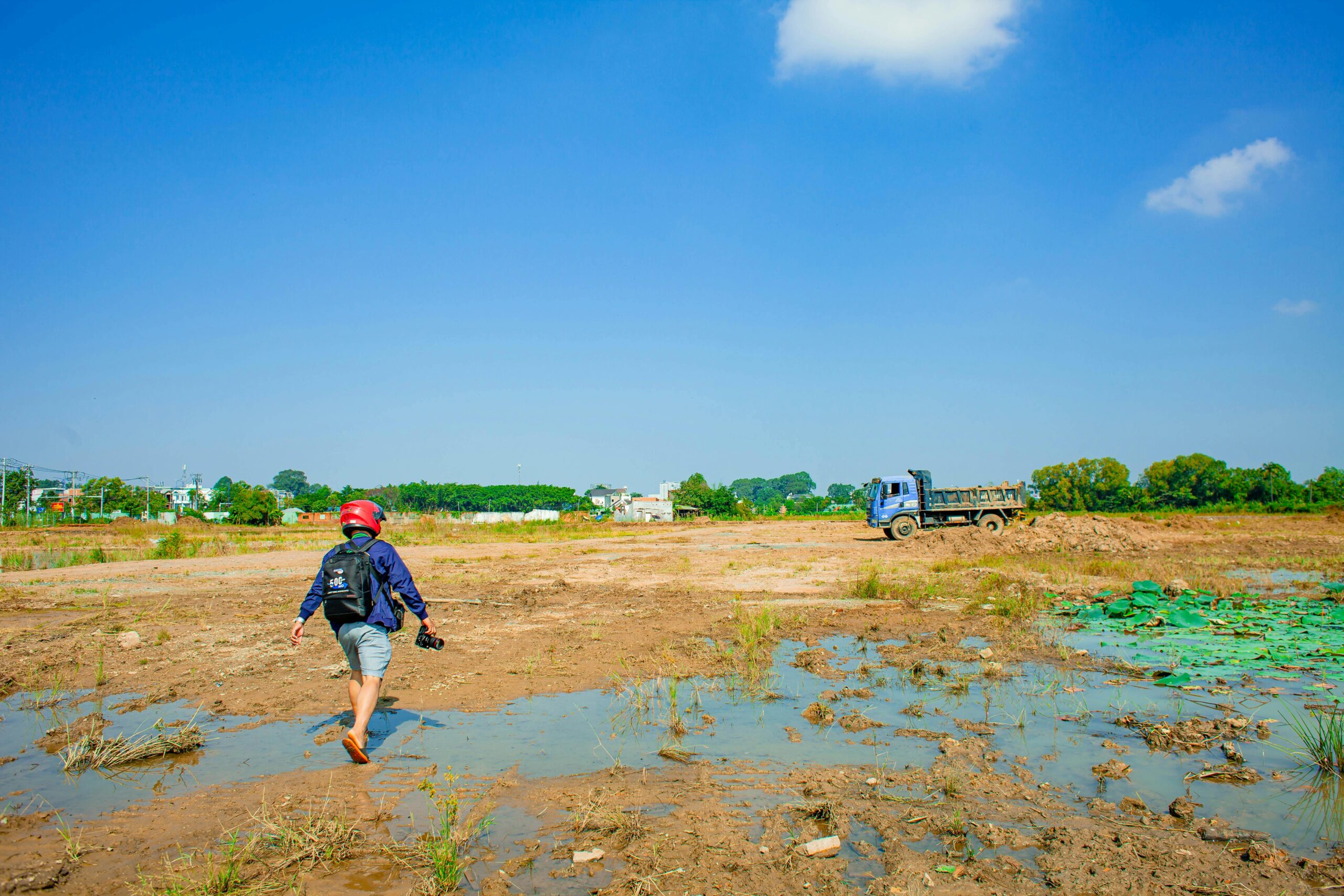
🌟 The Value of Acoustic Diversity: Why Both Soundscapes Matter
Rather than declaring one soundscape superior to another, we should recognize that both urban and rural acoustic environments offer distinct values. Cities provide stimulating, information-rich soundscapes that reflect human creativity, diversity, and energy. The sounds of urban life—children playing in schoolyards, multicultural neighborhoods, cultural events—represent irreplaceable aspects of human experience.
Rural soundscapes offer something equally precious: connection to natural rhythms, acoustic restoration, and the sounds of ecosystems functioning as they have for millennia. These environments provide baseline references for acoustic health and remind us of sounds our species evolved hearing.
The future challenge isn’t choosing between urban and rural soundscapes but rather improving both—creating cities that balance vibrancy with acoustic quality, and preserving rural areas where natural sounds can still dominate. As we become more aware of how profoundly sound shapes our experiences, health, and wellbeing, the decibel duel between urban and rural environments transforms from competition to a conversation about acoustic diversity and the full spectrum of human sonic experience.
Your ears are constantly gathering environmental information, whether you consciously notice it or not. The soundscape surrounding you right now—whether urban intensity or rural tranquility—is shaping your physiology, psychology, and perception. That invisible architecture of sound deserves the same consideration we give to visual aesthetics, air quality, and physical infrastructure. The decibel duel continues, but perhaps the real winner is anyone who learns to appreciate the unique acoustic gifts of both worlds. 🎵