Noise pollution is quietly eroding the quality of life in modern communities, affecting health, productivity, and overall well-being in ways most people don’t immediately recognize.

🔊 The Hidden Epidemic: Understanding Urban Noise Pollution
Urban environments have become increasingly noisy over the past few decades, with vehicular traffic, industrial operations, and construction activities contributing to a constant auditory assault on residents. Unlike visible forms of pollution, noise pollution often goes unnoticed until its effects become severe enough to disrupt daily life.
Research indicates that prolonged exposure to noise levels above 55 decibels can lead to serious health complications, including cardiovascular disease, sleep disturbances, cognitive impairment in children, and increased stress levels. The World Health Organization has identified environmental noise as the second most significant environmental health risk in Western Europe, after air pollution.
Communities located near major roadways, industrial zones, airports, and railway lines bear the brunt of this environmental challenge. These noise hotspots create concentric zones of acoustic disturbance that can extend hundreds of meters from their sources, affecting thousands of residents simultaneously.
📍 Identifying the Loudest Offenders in Your Neighborhood
Mapping noise hotspots begins with understanding the primary sources of community noise pollution. Roads and highways represent the most pervasive source, generating continuous background noise that varies with traffic volume, vehicle types, and road surface conditions.
Major Contributors to Roadway Noise
- Heavy-duty trucks and commercial vehicles producing low-frequency rumbles
- High-speed traffic on highways and expressways
- Motorcycles and modified exhaust systems
- Emergency vehicle sirens and horns
- Road surface deterioration amplifying tire noise
- Traffic congestion creating stop-and-go acceleration patterns
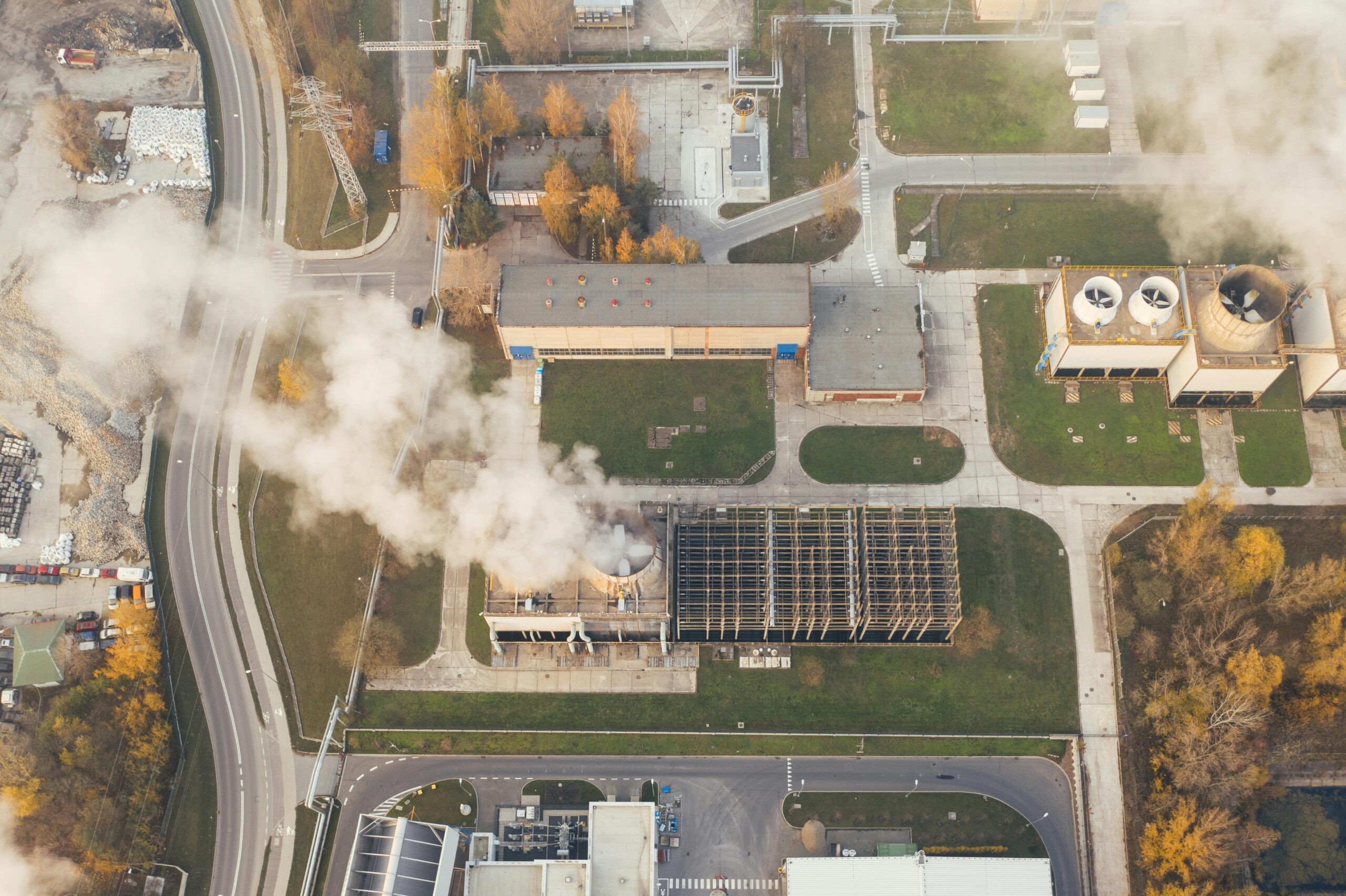
Industrial facilities present another significant challenge, often generating noise through multiple mechanisms simultaneously. Manufacturing plants, warehouses with loading docks, power generation facilities, and waste processing centers each produce distinct acoustic signatures that can penetrate residential areas at all hours.
Industrial Noise Characteristics
Unlike the relatively predictable patterns of traffic noise, industrial noise often exhibits unpredictable peaks and tonal qualities that make it particularly disturbing. Machinery operation, material handling, ventilation systems, and alarm signals can create sound levels exceeding 80-90 decibels at property boundaries.
The temporal pattern of industrial noise also matters significantly. Facilities operating 24/7 shifts prevent acoustic recovery periods that would otherwise allow residents respite during nighttime hours when background noise levels naturally decrease and human hearing becomes more sensitive.
🗺️ Technology-Enabled Noise Mapping Strategies
Modern technology has revolutionized the ability to measure, map, and visualize noise pollution in communities. Acoustic mapping involves systematic measurement of sound levels across geographic areas to create visual representations of noise exposure patterns.
Professional-grade sound level meters provide accurate measurements calibrated to international standards, but consumer-grade smartphone applications have democratized noise monitoring, allowing residents to contribute to community-wide mapping initiatives. These tools measure sound pressure levels in decibels and can log data with GPS coordinates for spatial analysis.
Crowdsourced noise mapping projects enable communities to collect thousands of data points across different times of day and days of the week, revealing patterns that single-point measurements would miss entirely. This participatory approach also builds community awareness and engagement around noise issues.
Creating Effective Noise Maps
Comprehensive noise mapping requires systematic data collection across multiple dimensions. Geographic coverage must extend beyond immediate hotspot areas to establish baseline conditions and identify secondary impact zones. Temporal sampling should capture variations across morning rush hours, midday periods, evening peaks, and nighttime lows.
Weather conditions significantly influence noise propagation, with wind direction, temperature inversions, and humidity affecting how sound travels through the environment. Mapping efforts should account for these variables by collecting data under different atmospheric conditions to understand worst-case scenarios.
📊 Interpreting Your Community’s Acoustic Landscape
Once noise data has been collected and mapped, interpretation becomes crucial for identifying priorities and developing intervention strategies. Not all noise hotspots present equal concerns—factors including exposure intensity, duration, frequency characteristics, and affected population density must be considered.
| Noise Level (dB) | Example Source | Health Impact | Action Priority |
|---|---|---|---|
| 50-55 dB | Quiet residential street | Minimal, possible sleep disruption | Monitor |
| 55-65 dB | Moderate traffic area | Annoyance, stress increase | Consider mitigation |
| 65-75 dB | Busy road, light industry | Cardiovascular risk, sleep loss | Mitigation recommended |
| 75-85 dB | Heavy traffic, industrial zone | Significant health concerns | Urgent intervention |
| 85+ dB | Highway, heavy industry | Hearing damage risk, severe health impacts | Immediate action required |
Frequency analysis adds another dimension to understanding noise impacts. Low-frequency noise from trucks and industrial equipment penetrates building structures more effectively than higher frequencies, making it particularly problematic for indoor environments. Conversely, high-frequency components like tire noise on concrete may cause greater annoyance despite similar overall decibel levels.
Vulnerable Population Considerations
Noise mapping must account for the presence of sensitive receptors including schools, hospitals, nursing homes, and childcare facilities. Children, elderly populations, and individuals with certain health conditions experience amplified negative effects from noise exposure, making these locations priority areas for intervention regardless of absolute noise levels.
Nighttime noise takes on heightened significance near residential areas, as sleep disturbance represents one of the most consequential health impacts of environmental noise. Even moderate noise levels that might be tolerable during daytime hours can severely disrupt sleep architecture and recovery processes.
🛡️ Engineering Solutions for Noise Reduction
Once hotspots have been identified and prioritized, communities can implement various engineering controls to reduce noise exposure. The most effective approach typically combines multiple strategies tailored to specific source characteristics and local conditions.
Roadway Noise Mitigation Techniques
Traffic noise reduction begins with source control measures. Modern porous asphalt surfaces can reduce tire noise by 3-5 decibels compared to conventional pavement, representing a significant improvement given the logarithmic nature of the decibel scale. Speed limit reductions provide additional benefits, as noise levels increase dramatically with vehicle velocity.
Noise barriers remain the most visible intervention for highway noise, with properly designed walls reducing levels by 10-15 decibels in protected areas. However, barrier effectiveness depends critically on height, proximity to the source, and elimination of gaps that allow sound leakage. Residents living above barrier height receive minimal benefit, creating equity concerns in multi-story developments.
Vegetative buffers offer aesthetic and environmental co-benefits alongside modest acoustic improvements. Dense plantings with varying heights can reduce noise by 3-5 decibels per 100 feet of depth, while also improving air quality, managing stormwater, and enhancing visual appeal. However, vegetation alone rarely provides sufficient noise reduction for severe hotspots.
Industrial Noise Control Strategies
Industrial facilities require source-specific interventions addressing individual equipment and processes. Enclosing noisy machinery within acoustic housings, installing silencers on exhaust systems, and using vibration isolation mounts can dramatically reduce emissions without compromising operational efficiency.
Operational modifications including restricting certain activities to daytime hours, relocating loading docks away from residential boundaries, and implementing quiet protocols during sensitive periods demonstrate good neighbor practices that complement physical controls.
Property line treatments using mass-loaded barriers, acoustic fencing, or earth berms create defensive layers that attenuate sound before it reaches residential areas. These perimeter controls prove particularly effective for containing low-frequency industrial noise that otherwise propagates considerable distances.
🏛️ Policy and Regulatory Frameworks
Technical solutions alone cannot address noise pollution—supportive policy frameworks provide essential backing for mitigation efforts. Progressive noise ordinances establish clear standards for acceptable sound levels in different zoning districts and times of day, creating enforceable requirements for noise producers.
Effective noise regulations include provisions for measurement methodologies, compliance verification, penalty structures, and variance procedures. Ambiguous language or weak enforcement mechanisms undermine even well-intentioned ordinances, allowing chronic violators to continue disturbing communities.
Land Use Planning as Prevention
The most cost-effective noise control occurs through proactive land use planning that maintains appropriate separation between incompatible uses. Zoning codes should require acoustic impact assessments for new developments near existing noise sources or noise-generating facilities proposed near residential areas.
Buffer zones, setback requirements, and mixed-use transition areas can prevent the creation of new hotspots while accommodating necessary urban functions. Building codes mandating enhanced acoustic insulation in noise-impacted areas provide additional protection when separation alone proves insufficient.
🤝 Building Community Coalitions for Change
Successful noise reduction initiatives require sustained community engagement and advocacy. Residents experiencing noise pollution often feel isolated in their concerns until collective action demonstrates the widespread nature of impacts and builds momentum for change.
Organizing neighborhood meetings to share noise mapping data, discuss health impacts, and identify priorities creates solidarity and distributes advocacy workload. Digital platforms enable broader participation and facilitate coordination across larger geographic areas affected by regional noise sources.
Engaging with local government officials, presenting documented evidence of noise problems, and proposing specific solutions positions communities as informed partners rather than mere complainants. Technical credibility derived from systematic noise mapping strengthens advocacy efforts and demonstrates seriousness of purpose.
Leveraging Media and Public Awareness
Media coverage of noise issues can catalyze action by raising public awareness and applying pressure on responsible parties. Local news outlets, community blogs, and social media platforms provide channels for sharing stories, visualizing noise maps, and documenting quality-of-life impacts.
Personal narratives describing sleep deprivation, children’s learning difficulties, and health concerns humanize technical data and create emotional connections that motivate broader support. Photographic and video documentation of noise sources adds compelling visual elements to coverage.
💡 Innovative Approaches on the Horizon
Emerging technologies promise new capabilities for noise management in coming years. Real-time acoustic monitoring networks using IoT sensors enable continuous surveillance of noise levels across entire communities, automatically detecting violations and documenting compliance trends.
Artificial intelligence applications can analyze acoustic signatures to identify specific noise sources, distinguish between different vehicle types, and predict noise propagation patterns under various conditions. These insights support more targeted interventions and efficient resource allocation.
Active noise cancellation technology, proven in headphones and small spaces, faces theoretical possibilities for outdoor applications through strategically placed speaker arrays generating anti-phase sound waves. While significant technical challenges remain, pilot projects demonstrate conceptual feasibility for localized protection zones.
🌱 Measuring Success and Maintaining Progress
Noise mitigation efforts require ongoing assessment to verify effectiveness and identify emerging concerns. Follow-up noise mapping using consistent methodologies enables before-and-after comparisons demonstrating the impact of implemented interventions.
Community health surveys tracking sleep quality, stress levels, and quality-of-life indicators provide complementary evidence of improvements beyond raw decibel reductions. Subjective measures matter because they capture the lived experience of residents and the true goal of creating more livable communities.
Sustained vigilance prevents backsliding as traffic volumes increase, industrial operations expand, or enforcement attention wanes. Institutionalizing noise monitoring through municipal programs or community organizations ensures continuity beyond initial advocacy campaigns.
Creating quieter communities represents an achievable goal when residents arm themselves with data, advocate for change, and hold stakeholders accountable. By mapping noise hotspots, implementing evidence-based interventions, and building coalitions for sustained action, communities can reclaim the peace that should be every resident’s right. The journey from awareness to action requires persistence, but the rewards—better health, improved quality of life, and restored neighborhood tranquility—justify the effort invested in silencing the streets.