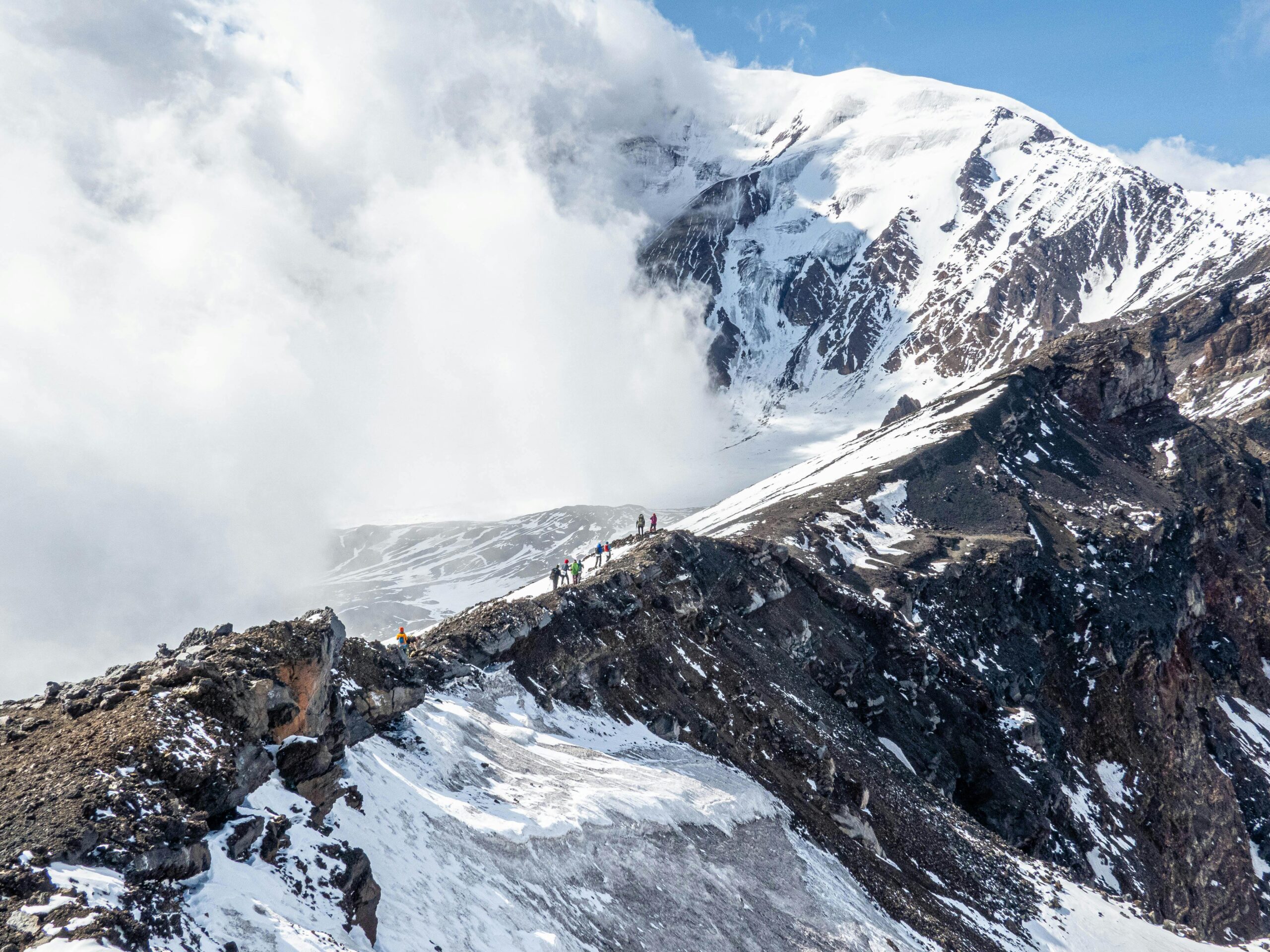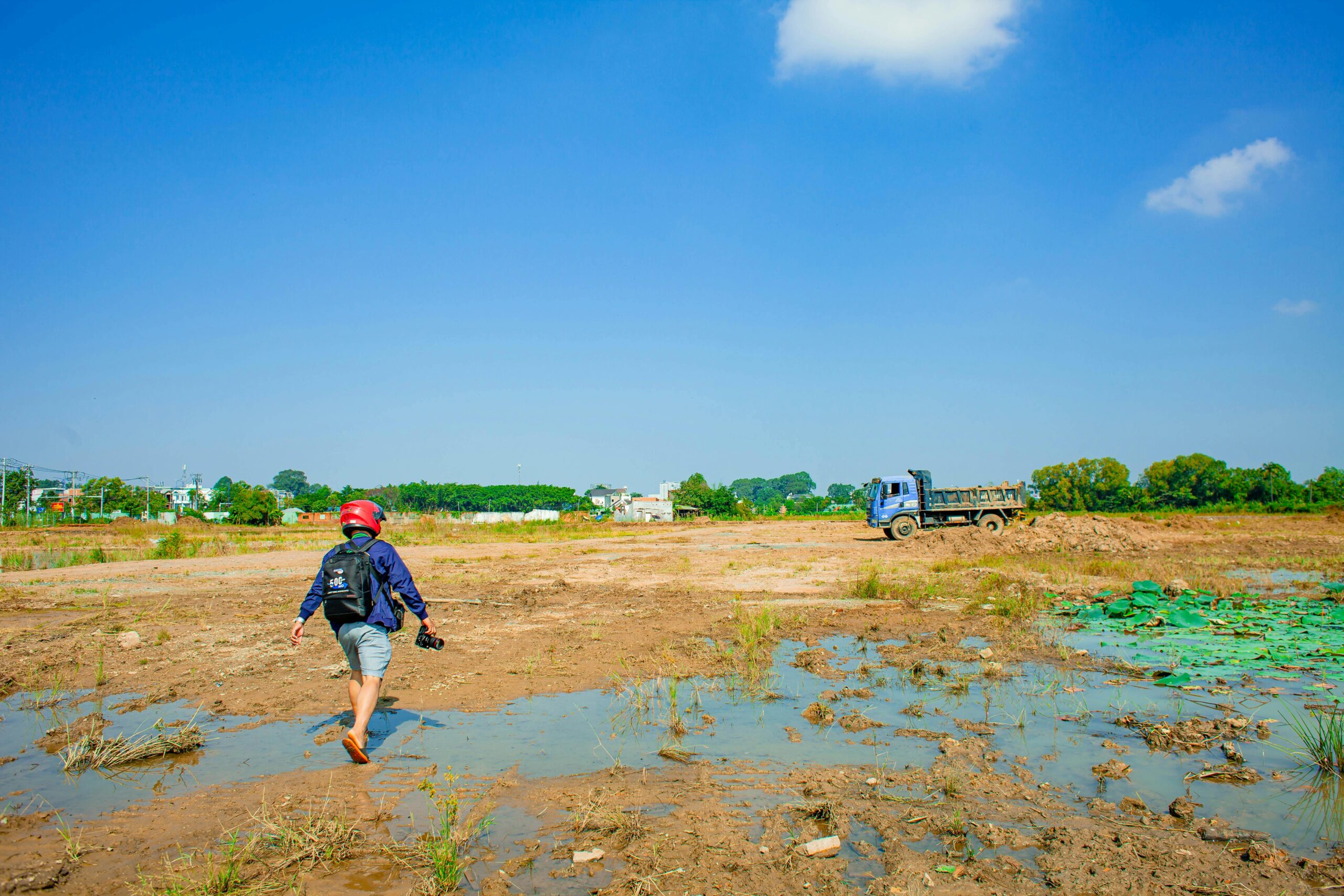
Finding the perfect recording site requires a blend of technical knowledge, environmental awareness, and artistic intuition to truly capture nature’s authentic voice.

🎙️ The Art and Science Behind Location Selection
The quest for the ideal recording location is much more than simply pointing a microphone toward interesting sounds. It’s a sophisticated process that combines acoustic principles, ecological understanding, and practical field experience. Every habitat presents unique sonic characteristics, from the dawn chorus in tropical rainforests to the subtle whispers of desert landscapes at twilight.
Professional field recordists spend countless hours researching potential sites, studying topographical maps, analyzing weather patterns, and consulting with local experts before ever pressing the record button. This preparation ensures that when the moment arrives, the equipment is positioned optimally to capture the habitat’s true acoustic signature.
Understanding the relationship between landscape features and sound propagation is fundamental. Hills, valleys, water bodies, vegetation density, and even soil composition dramatically affect how sound travels and reflects through an environment. These natural acoustic properties can either enhance or diminish recording quality, making site selection a critical first step.
Acoustic Ecology: Reading the Soundscape
Before choosing a recording location, it’s essential to understand the concept of soundscape ecology. Every habitat possesses three distinct sonic layers: the geophony (non-biological natural sounds like wind and water), the biophony (sounds produced by living organisms), and the anthrophony (human-generated noise).
The ideal recording site minimizes unwanted anthrophony while maximizing access to the biological and geological sounds that define the habitat. This balance is increasingly difficult to achieve in our modern world, where human noise pollution penetrates even seemingly remote wilderness areas.
Experienced field recordists develop an ability to “pre-hear” a location by visually assessing environmental features. A meadow surrounded by dense forest might create a natural amphitheater effect, concentrating bird songs. A rocky canyon could produce interesting reverberations for water sounds. These visual cues inform strategic microphone placement.
Seasonal and Temporal Considerations
Timing significantly impacts what you’ll capture at any given location. The same meadow that bursts with insect life in summer might fall silent in winter, while offering entirely different recording opportunities during migration seasons. Understanding these cyclical patterns helps recordists plan expeditions when target species are most vocally active.
Daily timing matters equally. Dawn and dusk typically offer peak biological activity in most ecosystems, creating what birders call the “dawn chorus” and “evening chorus.” However, nocturnal habitats reveal their secrets only after dark, requiring different equipment and safety considerations.
🌍 Environmental Factors That Shape Sound Quality
Weather conditions profoundly influence recording quality and equipment performance. Wind is perhaps the greatest enemy of clean field recordings, creating unwanted noise that can overwhelm subtle biological sounds. Even gentle breezes produce turbulence around microphone capsules, generating low-frequency rumble that’s difficult to eliminate in post-production.
Temperature and humidity affect both sound propagation and equipment function. Cold temperatures can drain batteries rapidly and cause condensation issues, while extreme heat might stress electronic components. Humidity influences how sound waves travel through air, with higher moisture content generally allowing sound to travel farther with less high-frequency loss.
Atmospheric pressure and temperature inversions create acoustic phenomena that experienced recordists exploit. Sound travels farther on cool, calm mornings when temperature inversions trap sound waves close to the ground. These conditions are ideal for capturing distant vocalizations with clarity.
Topography and Acoustic Reflections
The physical landscape shapes sound in ways that become obvious only through careful listening and experience. Open plains allow sound to dissipate quickly, creating intimate, close recordings when microphones are positioned near sound sources. Conversely, enclosed spaces like forest clearings can create natural reverberation that adds depth and dimension.
Water bodies introduce complex acoustic variables. Lakes and rivers generate their own geophonic sounds while also reflecting and absorbing frequencies differently than terrestrial surfaces. Recording near water requires understanding how these surfaces interact with sound waves to avoid unwanted reflections or excessive low-frequency content.
Technical Site Assessment for Field Recording
Professional field recordists conduct thorough site surveys before committing to extended recording sessions. This reconnaissance involves visiting locations at different times, listening carefully with high-quality headphones, and documenting both desirable sounds and potential noise pollution sources.
Creating a noise map of the area helps identify problematic zones. Distant highways, aircraft flight paths, agricultural operations, and industrial facilities all contribute anthropogenic noise that may be imperceptible to casual visitors but becomes glaringly obvious in sensitive recordings. Even seemingly pristine wilderness areas can suffer from distant noise intrusion during certain weather conditions.
Accessibility presents practical considerations that impact site selection. The perfect acoustic location becomes impractical if it requires dangerous access, exposes expensive equipment to theft or weather damage, or creates unsustainable physical demands during extended recording sessions. Balancing acoustic quality with practical logistics is essential for successful projects.
Safety and Legal Considerations
Recording in natural habitats involves inherent risks that require careful planning. Wildlife encounters, weather emergencies, difficult terrain, and isolation from assistance all factor into site selection. Experienced recordists always inform others of their locations, carry emergency communication devices, and understand local hazards.
Legal permissions and protected area regulations cannot be ignored. Many prime recording locations fall within national parks, nature reserves, or private property requiring permits and permissions. Respecting these legal frameworks protects both the recordist and the sensitive habitats they document.
🎚️ Equipment Considerations for Different Environments
Different habitats demand different recording approaches and equipment configurations. Dense forests require careful microphone placement to avoid excessive foliage noise while capturing sounds that may originate from various canopy levels. Open environments might benefit from parabolic reflectors or shotgun microphones to isolate distant subjects.
Stereo recording techniques vary based on the desired spatial representation. Spaced omni configurations excel at capturing ambient soundscapes with natural depth, while coincident techniques like X-Y patterns offer precise stereo imaging for focused subjects. Binaural recording creates immersive three-dimensional soundscapes that transport listeners directly into the habitat.
Portable recording technology has revolutionized field recording accessibility. Modern handheld recorders deliver professional quality in compact packages, while smartphone apps now offer surprisingly capable recording solutions for casual nature enthusiasts and educators. However, serious habitat documentation still demands professional-grade equipment capable of capturing wide dynamic ranges and extended frequency responses.
Microphone Selection and Placement Strategies
Microphone choice dramatically affects the character of captured sounds. Large-diaphragm condenser microphones offer warmth and sensitivity for quiet environments, while small-diaphragm condensers provide extended frequency response and precise imaging. Dynamic microphones handle high sound pressure levels but may lack the sensitivity needed for subtle natural sounds.
Placement techniques require understanding both the target sounds and the acoustic environment. Ground-level placement captures different perspectives than elevated positions. Boundary effect microphones exploit acoustic pressure zones near surfaces, while free-field placement minimizes reflections and phase issues.
Monitoring and Adapting to Changing Conditions
Field recording demands constant vigilance and adaptation. Conditions that appear perfect can deteriorate rapidly as weather shifts, aircraft pass overhead, or nearby human activity increases. Successful recordists develop patience and flexibility, understanding that nature operates on its own schedule.
Real-time monitoring through quality headphones is non-negotiable. Visual level meters show signal strength but cannot reveal wind noise, distant disturbances, or subtle equipment problems that become obvious only through careful listening. Many recording opportunities are fleeting, making immediate quality assessment critical.
Documentation practices separate amateur enthusiasts from professional archivists. Detailed metadata including GPS coordinates, time, date, weather conditions, equipment settings, and species identifications transform random recordings into valuable scientific and artistic resources. This information becomes essential when reviewing hundreds of hours of field recordings months or years later.
🦜 Species-Specific Recording Strategies
Different organisms require different approaches. Bird recording often demands early morning sessions when territorial singing peaks, while insect choruses reach maximum intensity after sunset. Amphibians vocalize most actively during breeding seasons, often triggered by rain events that create temporary water bodies.
Understanding animal behavior improves recording success dramatically. Knowing that certain birds sing from preferred perches, that frogs call from specific microhabitats, or that mammals use regular travel routes allows strategic microphone placement that captures subjects at optimal distances with minimal disturbance.
Passive recording techniques using autonomous recording units (ARUs) overcome human limitations. These devices can record continuously for days or weeks, capturing nocturnal species, rare events, and temporal patterns impossible to document through manual recording. However, they generate enormous data volumes requiring efficient processing workflows.
Ethical Recording Practices
Responsible field recording prioritizes minimal disturbance to wildlife and habitats. Using playback to elicit responses, approaching nests or dens, and disrupting natural behaviors for better recordings violate ethical standards adopted by professional organizations worldwide. The recording is never more important than the welfare of the subject.
Leave-no-trace principles apply equally to acoustic documentation. Equipment should be positioned and removed without disturbing vegetation, creating trails, or leaving any physical evidence. The goal is capturing the habitat’s essence without altering it through the act of observation.
Post-Production Considerations That Begin in the Field
Capturing clean source material dramatically reduces post-production challenges. Every problem addressed during recording saves countless hours of editing frustration later. This reality makes site selection and field technique the foundation of professional-quality nature recordings.
Understanding the final application guides recording decisions. Recordings destined for scientific analysis require different approaches than those intended for artistic soundscape compositions or educational materials. Sampling rates, bit depths, and recording configurations should match intended uses.
Backup strategies prevent catastrophic loss of irreplaceable recordings. Redundant recording systems, immediate file duplication, and cloud backup when connectivity allows protect against equipment failure, theft, or accident. Many once-in-a-lifetime recordings exist only because recordists implemented robust backup protocols.
🌟 Transforming Locations Into Immersive Audio Experiences
The ultimate goal extends beyond technical perfection toward emotional connection. The best habitat recordings transport listeners into environments they may never physically visit, creating empathy and understanding that transcends mere documentation. Achieving this requires both technical mastery and artistic sensitivity.
Spatial audio formats like ambisonics and immersive surround configurations offer new possibilities for habitat representation. These technologies capture complete three-dimensional soundfields, allowing listeners to experience environments with unprecedented realism through compatible playback systems.
Long-term acoustic monitoring reveals patterns invisible in single recordings. Returning to locations across seasons, years, or decades documents ecological changes, species population shifts, and habitat degradation or recovery. These temporal datasets become invaluable for conservation science and environmental education.
Building Your Field Recording Portfolio
Developing skill as a habitat recordist requires dedication, patience, and continuous learning. Each recording expedition teaches new lessons about equipment, technique, and the subtle acoustic signatures of different environments. Maintaining detailed logs of successes and failures accelerates the learning process.
Connecting with communities of field recordists provides invaluable knowledge exchange. Online forums, professional organizations, and social media groups offer spaces for sharing techniques, discussing equipment, and celebrating the art of capturing natural soundscapes. These communities also advocate for quieter environments and acoustic habitat preservation.
The perfect recording site exists at the intersection of acoustic quality, practical accessibility, biological richness, and minimal human disturbance. Finding these locations requires research, persistence, and often considerable physical effort. However, the reward—capturing the authentic voice of a habitat with precision and clarity—justifies every challenge encountered along the way.
As human noise increasingly dominates the global soundscape, documenting pristine acoustic environments becomes both more difficult and more important. Each quality habitat recording preserves something increasingly rare: the opportunity to hear Earth as it sounded before human activity reshaped the acoustic environment. This work transcends mere recording; it becomes an act of conservation, preserving not just visual landscapes but the equally important sonic dimensions that complete our understanding of ecological systems.