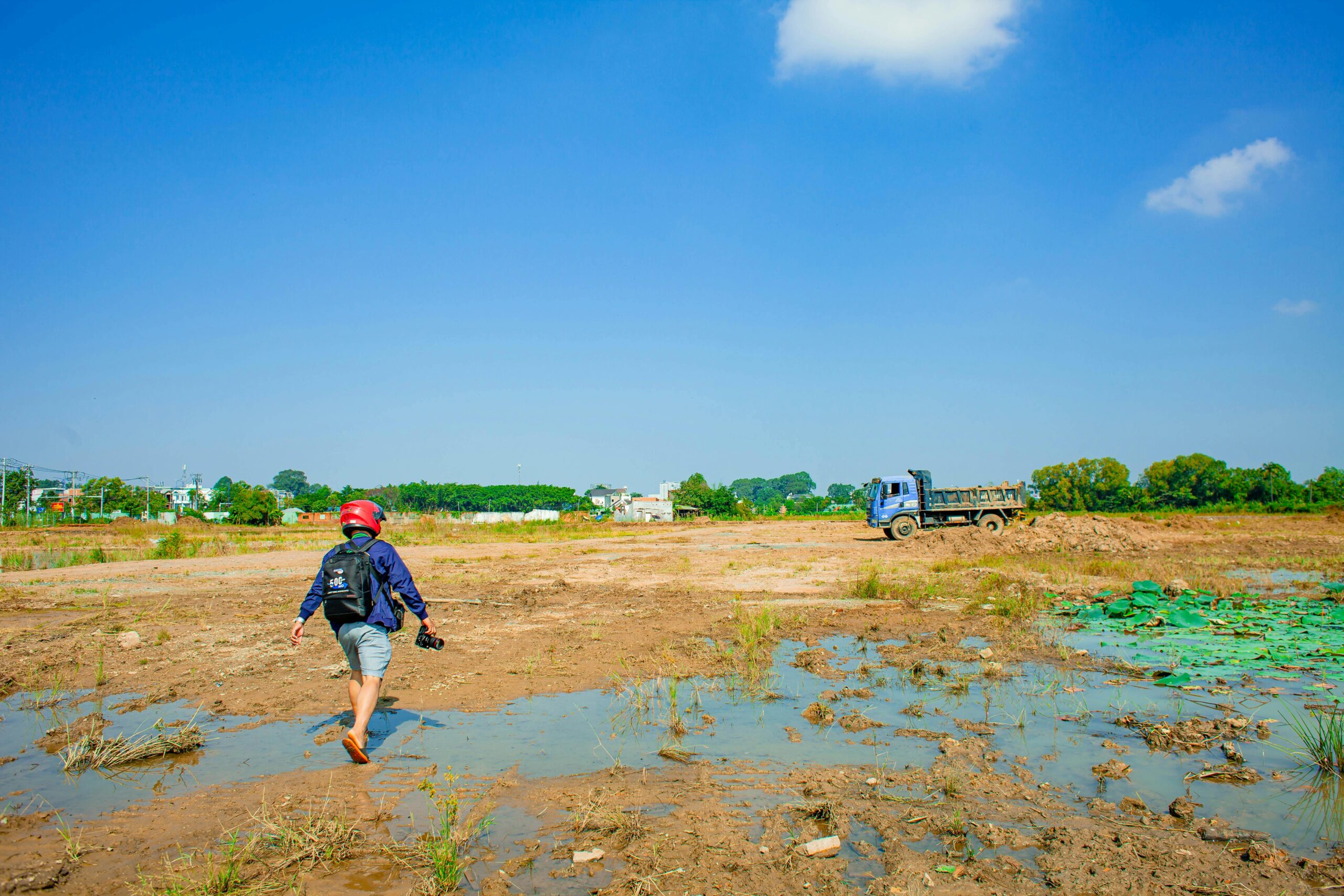
Bioacoustic surveys have emerged as a powerful, non-invasive tool for monitoring biodiversity, capturing the symphonic signatures of ecosystems through sound recording and analysis.

🌍 The Symphony Beneath Our Feet: Understanding Bioacoustic Monitoring
Every ecosystem produces its own acoustic fingerprint—a complex tapestry of sounds created by wildlife, weather patterns, and environmental processes. Bioacoustic surveys harness this natural phenomenon to assess ecosystem health, track species populations, and detect environmental changes with remarkable precision. Unlike traditional wildlife monitoring methods that often require direct observation or capture, acoustic monitoring provides a continuous, automated window into the natural world.
The science behind bioacoustic surveys rests on a simple premise: animals communicate, navigate, and interact through sound. From the ultrasonic clicks of bats hunting insects to the low-frequency rumbles of elephants coordinating across vast distances, these vocalizations contain invaluable information about species presence, behavior, and environmental conditions. By recording and analyzing these sounds systematically, researchers can paint detailed portraits of ecosystem dynamics without disturbing the very communities they seek to understand.
🔬 Why One Size Doesn’t Fit All: The Challenge of Ecosystem Diversity
The Earth’s ecosystems vary dramatically in their acoustic characteristics, physical structures, and resident species assemblages. A tropical rainforest produces a dense, multi-layered soundscape with vocalizations occurring simultaneously across numerous frequency bands, from ground-dwelling insects to canopy-dwelling primates. In contrast, Arctic tundra ecosystems generate sparser, more seasonal acoustic patterns dominated by migratory bird species during brief breeding periods.
These fundamental differences necessitate tailored approaches to bioacoustic survey design. Equipment suitable for recording bat echolocation calls in temperate forests may fail completely in capturing whale songs in marine environments. Recording schedules optimized for dawn chorus in grasslands would miss the nocturnal activity peaks characteristic of desert ecosystems. Standardized protocols, while valuable for certain comparative purposes, often sacrifice detection efficiency and data quality when applied indiscriminately across ecosystem types.
The Cost of Generic Approaches
Implementing non-tailored bioacoustic surveys can lead to significant resource waste and missed conservation opportunities. Generic sampling schedules may collect thousands of hours of recordings during periods when target species are inactive, while missing critical behavioral events. Equipment configurations designed for one acoustic environment may suffer from excessive background noise, distortion, or insufficient sensitivity in another, rendering data unusable or requiring extensive post-processing.
Furthermore, standardized analysis pipelines trained on specific species or ecosystems typically perform poorly when confronted with novel acoustic environments. Automated species recognition algorithms developed for temperate songbirds often fail dramatically when applied to tropical species with complex, variable vocalizations. These failures not only compromise data quality but can lead to false conclusions about species presence, abundance, and ecosystem health.
🎯 Building Blocks: Essential Components of Tailored Surveys
Crafting effective bioacoustic surveys for specific ecosystems requires careful consideration of multiple interconnected factors. Success depends on matching technical capabilities to ecological requirements while remaining mindful of practical constraints including budget, personnel expertise, and research objectives.
Equipment Selection and Configuration
The acoustic recorder represents the foundational element of any bioacoustic survey. Modern autonomous recording units vary considerably in their specifications, with critical differences in frequency response, sensitivity, dynamic range, storage capacity, and power consumption. Marine environments demand hydrophones with appropriate depth ratings and frequency responses extending into infrasonic ranges for cetacean monitoring. Bat surveys require ultrasonic capabilities extending beyond 100 kHz, while elephant monitoring benefits from infrasonic sensitivity below 20 Hz.
Microphone selection proves equally crucial. Omnidirectional microphones capture sound from all directions, providing comprehensive soundscape recordings ideal for community-level assessments. Directional microphones offer enhanced sensitivity to specific sound sources while reducing background noise, making them valuable for targeted species monitoring or noisy environments. Weatherproofing, humidity resistance, and temperature tolerance must match deployment conditions to ensure equipment reliability throughout survey periods.
Strategic Temporal Planning
Temporal sampling strategies should align with species activity patterns, breeding phenology, and ecosystem dynamics. Many animals exhibit pronounced diel (daily) activity patterns, with peak vocalizations occurring during specific periods such as dawn chorus, dusk activity, or nocturnal hunting. Seasonal patterns prove equally important, with many species vocalizing primarily during breeding seasons or migration periods.
Recording schedules can employ continuous recording, capturing all acoustic events but generating enormous data volumes requiring substantial storage and processing resources. Alternatively, duty-cycled recording captures sound during predetermined intervals, dramatically reducing data volumes while potentially missing important events occurring between recording periods. Adaptive sampling approaches, increasingly facilitated by machine learning algorithms, adjust recording intensity based on detected acoustic activity, optimizing data collection efficiency.
🌲 Forest Ecosystems: Navigating Acoustic Complexity
Forest bioacoustic surveys confront exceptional acoustic complexity, with multiple species vocalizing simultaneously across overlapping frequency ranges. Tropical rainforests present particular challenges, hosting thousands of vocalizing species within densely vegetated environments that attenuate and reflect sound unpredictably. Temperate and boreal forests exhibit lower species diversity but face challenges from seasonal variability and often harsh weather conditions.
Effective forest surveys typically employ spatial arrays of multiple recorders to capture acoustic variation across environmental gradients and microhabitats. Recorder placement height significantly influences detection probabilities, with canopy-mounted units detecting arboreal species more effectively while ground-level deployments better capture terrestrial fauna. Recording schedules should emphasize dawn and dusk periods when avian activity peaks, while also capturing nocturnal periods for mammal and amphibian monitoring.
Analysis strategies for forest ecosystems increasingly leverage acoustic indices—quantitative metrics describing soundscape properties such as acoustic complexity, diversity, and evenness. These indices provide efficient tools for processing large datasets while capturing community-level patterns that individual species identification might miss. However, interpretation requires calibration against local species assemblages and environmental conditions to avoid misleading conclusions.
🌊 Aquatic Realms: Underwater Acoustic Frontiers
Marine and freshwater ecosystems present unique opportunities and challenges for bioacoustic monitoring. Sound travels efficiently underwater, propagating farther with less attenuation than in air, enabling detection of vocalizing animals across vast distances. This characteristic makes bioacoustics particularly valuable for monitoring elusive marine mammals, fish species, and invertebrates in environments where visual observation proves difficult or impossible.
Marine bioacoustic surveys require specialized hydrophones rated for appropriate depths and designed to withstand corrosive saltwater environments. Mooring systems must account for currents, tides, and potential disturbance from vessels or fishing activities. Recording schedules should consider tidal cycles, which influence both animal behavior and ambient noise levels. Many marine species exhibit pronounced seasonal patterns related to breeding, feeding, or migration, necessitating multi-season deployments for comprehensive assessments.
Navigating Anthropogenic Noise
Aquatic environments suffer increasingly from anthropogenic noise pollution, including vessel traffic, construction activities, sonar, and industrial operations. This noise can mask biological signals, alter animal behavior, and complicate data analysis. Tailored surveys must account for noise sources through strategic recorder placement, temporal scheduling to avoid peak disturbance periods, and analysis techniques capable of discriminating biological signals from anthropogenic sounds.
Freshwater ecosystems—rivers, lakes, and wetlands—present distinct acoustic characteristics requiring different approaches. Flowing water generates constant broadband noise that can mask higher-frequency vocalizations. Shallow waters and complex bathymetry create acoustic reflections and reverberations that complicate sound localization and species identification. Successful freshwater surveys often employ higher sampling rates and specialized filters to enhance signal detection against noisy backgrounds.
🏜️ Arid and Grassland Ecosystems: Capturing Sparse Signals
Arid environments and grasslands typically produce sparser acoustic landscapes compared to forests or wetlands, with fewer vocalizing species and pronounced seasonal variability tied to rainfall patterns and resource availability. These characteristics create both challenges and opportunities for bioacoustic monitoring. Lower acoustic complexity simplifies species identification and reduces processing demands, but sparse vocalizations require longer recording periods to ensure adequate detection probabilities.
Desert surveys should emphasize temporal periods following rainfall events when amphibian breeding choruses and insect activity surge. Many desert mammals and birds exhibit crepuscular or nocturnal activity patterns to avoid thermal stress, requiring recording schedules weighted toward cooler periods. Wind represents a significant challenge in open environments, generating microphone noise that can overwhelm biological signals. Effective wind noise reduction requires careful microphone selection, strategic placement using natural windbreaks, and properly designed windscreens.
Grassland ecosystems host specialized acoustic communities dominated by birds, insects, and sometimes large grazing mammals. Recording strategies should capture breeding bird surveys during spring and early summer while also monitoring nocturnal insect choruses that peak during warmer months. Spatial variation in acoustic communities often reflects subtle habitat gradients—vegetation structure, moisture availability, grazing intensity—making spatial arrays valuable for understanding ecosystem heterogeneity.
📊 Analysis Pipelines: From Raw Sound to Ecological Insight
Bioacoustic surveys generate enormous data volumes—a single recorder operating continuously for one month produces roughly 700 hours of audio requiring approximately 60 gigabytes of storage. Manual analysis of such datasets proves impractical, necessitating automated or semi-automated processing pipelines tailored to specific ecosystems and research questions.
Species-specific approaches employ automated recognition algorithms trained to detect target species based on acoustic characteristics. These algorithms excel when monitoring well-characterized species with stereotyped vocalizations but struggle with acoustically complex species or novel sounds. Template matching techniques compare recorded sounds against reference libraries, while machine learning approaches—increasingly leveraging deep neural networks—learn discriminative features directly from training data.
Soundscape-Level Metrics
Community-level analyses employ acoustic indices quantifying soundscape properties without requiring species-level identification. Commonly used indices include:
- Acoustic Complexity Index (ACI): Measures temporal variability in sound intensity, increasing with biological sound diversity
- Acoustic Diversity Index (ADI): Quantifies evenness of sound distribution across frequency bands
- Acoustic Evenness Index (AEI): Assesses how evenly sound energy distributes across frequencies
- Bioacoustic Index: Captures the area of spectrograms occupied by biological sounds
- Normalized Difference Soundscape Index (NDSI): Distinguishes biological from anthropogenic sounds
These indices provide efficient tools for tracking ecosystem changes over time or comparing sites, though interpretation requires understanding their ecological meaning within specific contexts. Different indices respond differently to acoustic characteristics, and combining multiple metrics often provides more robust ecosystem assessments than relying on single measures.
🛠️ Practical Implementation: From Planning to Deployment
Successful bioacoustic survey implementation requires careful planning addressing logistical, technical, and analytical considerations. Pilot studies prove invaluable for testing equipment configurations, refining recording schedules, and validating analysis approaches before committing to large-scale deployments. Small-scale preliminary surveys reveal ecosystem-specific challenges—unexpected noise sources, equipment limitations, access difficulties—allowing protocol refinement before major resource investments.
Recorder deployment strategies must balance detection objectives against practical constraints. Grid-based designs provide systematic spatial coverage ideal for landscape-scale assessments, while stratified sampling concentrates effort across environmental gradients or habitat types. Targeted deployments focus on specific locations based on prior knowledge or management priorities. Recorder spacing should reflect the acoustic range of target species—typically 200-500 meters for songbirds, potentially kilometers for large mammals or marine species.
Quality Control and Data Management
Rigorous quality control protocols ensure data integrity and usability. Regular equipment maintenance, including battery replacement, desiccant renewal, and memory card management, prevents data loss from equipment failures. Recording quality checks identify and address issues such as microphone damage, electronic interference, or improper gain settings. Comprehensive metadata documentation—including recorder specifications, deployment dates, locations, environmental conditions, and protocol details—proves essential for data interpretation and future reuse.
Data management systems must accommodate large file volumes while maintaining accessibility and security. Cloud storage solutions offer scalability and remote access but incur ongoing costs and depend on reliable internet connectivity. Local storage provides greater control and potentially lower long-term costs but requires robust backup strategies. Standardized file naming conventions, directory structures, and metadata schemas facilitate data organization and retrieval across large projects.
🌐 Emerging Technologies: The Future of Bioacoustic Monitoring
Technological advances continue expanding bioacoustic monitoring capabilities. Edge computing approaches deploy machine learning algorithms directly on recording devices, enabling real-time species detection and adaptive sampling strategies that respond dynamically to acoustic activity. Solar-powered recorders with cellular connectivity allow remote monitoring and data transmission from inaccessible locations, transforming survey logistics and enabling near-real-time ecosystem assessment.
Artificial intelligence and deep learning techniques increasingly power automated analysis pipelines, with algorithms trained on massive audio datasets achieving human-level or superior performance for species identification tasks. Transfer learning approaches allow models trained on well-characterized species to generalize to novel species or ecosystems with minimal additional training, reducing the data requirements for developing effective recognition systems.
Multi-sensor platforms integrate acoustic recorders with environmental sensors—measuring temperature, humidity, light levels, and air quality—enabling researchers to correlate acoustic patterns with environmental drivers. Camera trap integration provides visual validation of acoustic detections and captures non-vocalizing species, creating comprehensive biodiversity monitoring systems more powerful than either approach alone.
🎓 Bridging Science and Conservation: Applied Impact
Tailored bioacoustic surveys deliver actionable insights for conservation management and policy development. Long-term acoustic monitoring programs track ecosystem responses to management interventions, climate change, habitat restoration, or disturbance events, providing early warning of biodiversity declines. Baseline acoustic characterizations document ecosystem conditions before development projects, enabling impact assessments and mitigation monitoring.
Protected area management increasingly incorporates bioacoustic monitoring for patrol planning, threat detection, and effectiveness evaluation. Acoustic sensors can detect illegal activities including gunshots, chainsaws, or vehicle traffic, supporting enforcement efforts. Community-based monitoring programs engage local stakeholders in data collection and interpretation, building conservation capacity while generating valuable scientific data.
Climate change research leverages bioacoustic data to document phenological shifts, range changes, and community reorganizations as species respond to changing conditions. Multi-year acoustic datasets reveal temporal trends in species occurrence, abundance, and behavior that would require enormous effort to document through traditional survey methods. These datasets become increasingly valuable as they accumulate, providing irreplaceable historical records of ecosystem states.

🚀 Charting the Acoustic Frontier: Next Steps Forward
As bioacoustic monitoring matures from specialized research technique to mainstream conservation tool, several priorities emerge for advancing the field. Standardization efforts must balance the need for comparable data across studies against the requirement for ecosystem-specific tailoring. Developing flexible frameworks that accommodate local adaptation while maintaining core methodological standards represents an ongoing challenge requiring collaboration across research institutions, conservation organizations, and management agencies.
Training and capacity building ensure that bioacoustic monitoring techniques reach practitioners worldwide, particularly in biodiversity-rich regions with limited resources. Open-source software tools, accessible training materials, and collaborative networks democratize access to sophisticated analysis techniques, enabling broader participation in acoustic monitoring efforts. Citizen science initiatives harness public interest in nature recording, generating valuable data while building environmental awareness and engagement.
The echoes of nature captured through bioacoustic surveys offer unprecedented insights into ecosystem function, biodiversity patterns, and conservation needs. By carefully tailoring survey designs to match the unique acoustic characteristics of diverse ecosystems, researchers and practitioners can unlock the full potential of this powerful monitoring approach, advancing both scientific understanding and practical conservation outcomes across our planet’s imperiled ecosystems.