The natural world produces an intricate tapestry of sounds that are deeply intertwined with the physical architecture of plant life, creating what scientists call nature’s acoustic symphony.

From the rustling of leaves in a gentle breeze to the complex soundscapes of dense rainforests, vegetation plays a crucial role in shaping the acoustic environment we experience. The relationship between vegetation structure and acoustic patterns represents one of nature’s most fascinating yet often overlooked phenomena, influencing everything from wildlife communication to human well-being.
This exploration into nature’s acoustic realm reveals how forests, grasslands, and other vegetated landscapes function as living concert halls, where every branch, leaf, and stem contributes to the overall sonic experience. Understanding this relationship has profound implications for ecology, conservation, urban planning, and even our connection to the natural world.
🌿 The Architecture of Sound: How Vegetation Shapes Acoustic Landscapes
Vegetation structure fundamentally alters how sound travels through the environment. Dense canopies, understory layers, and ground cover create complex acoustic environments that absorb, reflect, and diffract sound waves in unique ways. The three-dimensional arrangement of plants determines which frequencies are amplified and which are dampened, creating distinct sonic signatures for different habitat types.
Forest canopies act as natural acoustic barriers, reducing sound transmission by up to 30 decibels per 100 meters in dense tropical forests. This sound attenuation varies dramatically with vegetation density, leaf area index, and structural complexity. The result is that animals living in forests have evolved distinct vocalization patterns compared to their open-habitat relatives.
The height and stratification of vegetation layers create acoustic niches that species exploit for communication. Birds nesting in the upper canopy produce different call frequencies than those occupying the forest floor, minimizing interference and maximizing signal transmission within their respective acoustic spaces.
Frequency Filtering Through Foliage
Different vegetation structures filter sound frequencies selectively. High-frequency sounds experience greater attenuation in dense foliage due to scattering and absorption by leaves and branches. This physical reality has shaped the evolution of animal communication systems across countless species.
Low-frequency sounds travel more effectively through vegetation, which explains why many forest-dwelling animals produce deeper vocalizations compared to their open-habitat counterparts. Howler monkeys, for instance, produce some of the lowest-frequency primate calls, perfectly adapted to transmission through dense rainforest vegetation.
🎵 The Acoustic Adaptation Hypothesis: Evolution’s Sonic Solutions
The acoustic adaptation hypothesis, first proposed by researchers in the 1970s, suggests that animal vocalizations evolve to maximize transmission efficiency in specific habitats. This hypothesis has been tested across numerous taxa, from birds and amphibians to insects and mammals, revealing consistent patterns linking vegetation structure to communication strategies.
Birds living in open grasslands tend to produce complex, high-frequency songs with rapid modulations, while forest species favor longer, simpler notes at lower frequencies. These patterns reflect the acoustic properties of their respective environments and represent evolutionary adaptations spanning millions of years.
Amphibians provide particularly compelling evidence for acoustic adaptation. Frogs calling from dense vegetation produce calls with different spectral characteristics than those calling from open water or cleared areas. The vegetation surrounding breeding sites significantly influences call structure, ensuring that mating signals reach intended receivers effectively.
Real-World Examples Across Ecosystems
In the Amazon rainforest, researchers have documented how bird species partition acoustic space based on vegetation structure. Species occupying different forest strata produce vocalizations optimized for their specific acoustic environments, reducing signal interference and enabling dozens of species to communicate simultaneously without confusion.
Australian grassland birds demonstrate the opposite pattern, with species like the skylark producing continuous, high-frequency songs while hovering above vegetation. This behavior maximizes sound propagation across open landscapes where vegetation offers fewer acoustic barriers but also fewer perches for singing.
🔬 Measuring Nature’s Acoustic Fingerprint: Soundscape Ecology
Soundscape ecology has emerged as a powerful tool for understanding ecosystem health and biodiversity. By recording and analyzing natural soundscapes, researchers can assess vegetation structure, species diversity, and habitat quality without extensive visual surveys. This non-invasive approach provides insights into ecosystem function that traditional methods might miss.
Acoustic indices quantify soundscape complexity, diversity, and evenness, offering proxy measures for biodiversity and habitat integrity. Dense, structurally complex vegetation typically supports more diverse soundscapes, with multiple acoustic niches occupied by different species throughout the day and night.
Long-term acoustic monitoring reveals how vegetation changes influence soundscape characteristics. Deforestation, for instance, dramatically simplifies acoustic environments, reducing both the diversity of sounds and the complexity of their temporal patterns. Conversely, habitat restoration leads to gradual acoustic recovery as vegetation regrows and species recolonize.
Technology Enabling Acoustic Discovery
Modern recording technologies and machine learning algorithms have revolutionized soundscape research. Automated recording units deployed across landscapes capture months of continuous data, while artificial intelligence identifies species-specific vocalizations and quantifies soundscape patterns at unprecedented scales.
These technological advances enable researchers to monitor ecosystem recovery after disturbance, assess protected area effectiveness, and detect rare species through their vocalizations. The acoustic signatures of different vegetation types serve as valuable indicators for conservation prioritization and management decisions.
🌲 Forest Types and Their Unique Acoustic Signatures
Different forest types produce distinctive soundscapes shaped by their vegetation structure. Tropical rainforests generate the most complex acoustic environments on Earth, with sounds emanating from multiple canopy layers throughout a 24-hour cycle. The structural complexity of these forests supports extraordinary species diversity, each contributing to the overall acoustic richness.
Temperate deciduous forests experience dramatic seasonal acoustic shifts. Spring brings a cacophony of bird song as migrants return and resident species establish territories. Summer soundscapes feature insect choruses, while autumn and winter become relatively quiet as deciduous trees lose their leaves and many species migrate or become less vocally active.
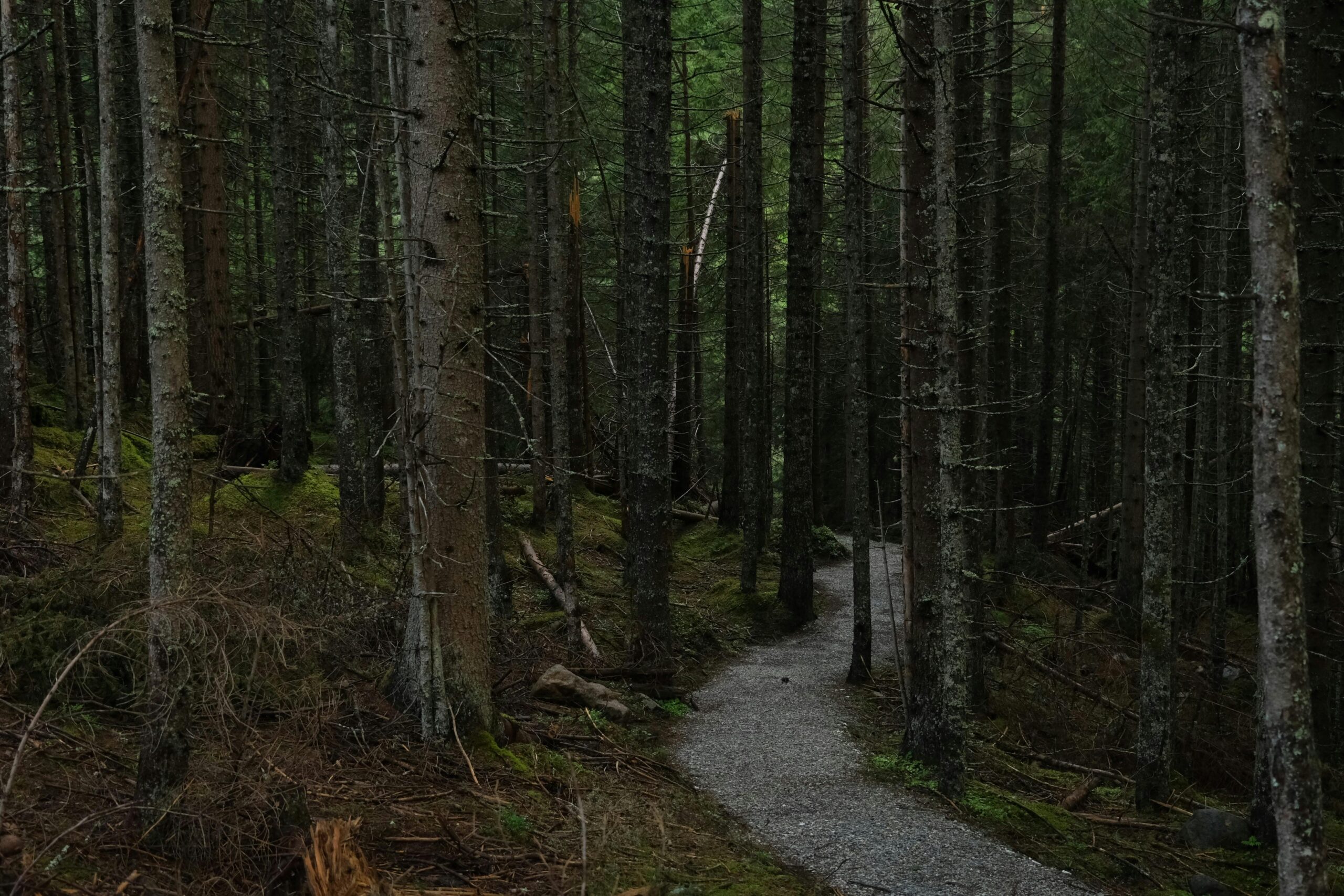
Coniferous forests maintain more consistent year-round soundscapes, with evergreen foliage providing stable acoustic conditions. However, these forests typically support lower species diversity than deciduous or tropical systems, resulting in less complex soundscapes overall.
Wetland Vegetation and Aquatic Acoustics
Wetland vegetation creates unique acoustic environments where sound transmission occurs through both air and water. Emergent vegetation like reeds and cattails influences soundscapes differently than submerged aquatic plants, affecting both terrestrial and aquatic species communication.
Frogs and toads use wetland vegetation as acoustic baffles, positioning themselves strategically to enhance call propagation. Male frogs calling from within dense vegetation often produce louder, more resonant calls than those calling from open areas, compensating for sound attenuation by plant material.
🏙️ Urban Green Spaces: Acoustic Oases in Concrete Jungles
Urban vegetation provides critical acoustic relief in cities dominated by anthropogenic noise. Parks, street trees, and green roofs absorb traffic sounds and create pockets of relative quiet where birds and other wildlife can communicate more effectively. The acoustic benefits of urban vegetation extend beyond wildlife, improving human health and well-being.
Studies demonstrate that vegetation structure influences urban soundscape quality significantly. Dense shrub layers and tree canopies reduce noise pollution more effectively than lawn-dominated landscapes, creating quieter spaces for recreation and relaxation. Strategic planting designs can enhance acoustic environments while providing multiple ecosystem services.
Urban wildlife adapts to the acoustic challenges of city environments by modifying vocalizations. Birds in noisy urban areas often sing at higher frequencies, increased amplitudes, or during quieter times of day, adjusting their communication strategies to overcome anthropogenic noise interference.
🎼 The Symphony’s Instruments: Plant Sounds and Acoustic Production
Plants themselves produce sounds, though most occur at frequencies beyond human hearing. Cavitation in xylem tissues during water stress generates ultrasonic clicks, while rapid plant movements produce audible rustling and snapping. These plant-produced sounds contribute to the overall soundscape in ways researchers are only beginning to understand.
Wind interaction with vegetation creates complex acoustic patterns that vary with plant structure. Grasslands produce gentle rustling at relatively high frequencies, while forests generate deeper, more complex sounds as wind moves through multilayered canopies. These abiotic sounds form the baseline against which biotic sounds must compete.
Recent research suggests that some plants may respond to sound, with roots growing toward water sources partly through acoustic cues. While controversial, this finding hints at the possibility that plants not only shape acoustic environments but also perceive and respond to soundscapes in sophisticated ways.
🦋 Insects and Vegetation: Acoustic Partnerships
Insects represent the most abundant sound-producing animals in many ecosystems, and their acoustic behaviors are intimately linked to vegetation structure. Crickets, katydids, and cicadas use plant stems and leaves as resonators, amplifying their calls through strategic positioning on vegetation.
Different insect species select specific plants or plant structures for calling, creating acoustic microhabitats within broader vegetation mosaics. These choices reflect plant acoustic properties, with species preferring substrates that maximize sound transmission while minimizing energy expenditure.
Insect choruses peak during specific seasons when vegetation provides optimal acoustic conditions. The timing of these choruses aligns with plant phenology, demonstrating co-evolved relationships between vegetation structure and acoustic communication strategies refined over evolutionary time.
🌍 Climate Change and Shifting Acoustic Landscapes
Climate change alters vegetation structure and distribution globally, with profound implications for acoustic environments. Shifting species ranges, changing phenology, and increased disturbance frequencies transform soundscapes in ways that cascade through ecosystems.
Earlier spring green-up in temperate regions has advanced the timing of bird breeding seasons and associated vocal activity. These phenological shifts may create temporal mismatches between acoustic signals and optimal transmission conditions, potentially disrupting communication and reproductive success.
Drought-induced vegetation die-off simplifies forest structure, reducing acoustic complexity and eliminating the diverse array of niches that once supported rich faunal communities. Monitoring these acoustic changes provides early warning signs of ecosystem stress and degradation.
🎧 Practical Applications: Conservation Through Acoustics
Understanding vegetation-acoustic relationships enables innovative conservation strategies. Acoustic monitoring complements traditional biodiversity surveys, providing cost-effective methods for tracking ecosystem health across large landscapes. Protected area managers increasingly incorporate soundscape considerations into habitat management decisions.
Restoration projects benefit from acoustic monitoring, with soundscape recovery serving as an indicator of ecological success. As vegetation structure returns, acoustic complexity increases, signaling the return of diverse wildlife communities and functional ecosystem processes.
Indigenous communities have long understood connections between vegetation and sound, using acoustic cues for navigation, weather prediction, and resource management. Integrating traditional ecological knowledge with scientific acoustic research creates holistic approaches to landscape management and conservation.
🌟 Experiencing Nature’s Symphony: Personal Connection Through Sound
Developing acoustic awareness enhances our experience and appreciation of natural environments. Listening mindfully to vegetated landscapes reveals patterns invisible to the eye, connecting us more deeply to the living systems supporting all life on Earth.
Nature sound recording has become increasingly accessible, allowing enthusiasts to document and share the acoustic beauty of different vegetation types. These recordings preserve soundscapes threatened by habitat loss and climate change, creating acoustic archives for future generations.
The therapeutic benefits of natural soundscapes are well-documented, with exposure to vegetation-rich acoustic environments reducing stress, improving focus, and enhancing overall well-being. These benefits underscore the importance of protecting and restoring vegetated landscapes in both urban and rural settings.
🔮 Future Directions: Technology and Discovery
Emerging technologies promise deeper insights into vegetation-acoustic relationships. Drone-mounted recording equipment enables three-dimensional soundscape mapping, revealing how sound propagates through complex vegetation structures. Combined with LiDAR vegetation mapping, these tools create unprecedented views of acoustic-structural relationships.
Artificial intelligence continues advancing our ability to analyze vast acoustic datasets, identifying patterns and relationships too subtle for human perception. Machine learning algorithms may soon predict species presence and abundance from vegetation structure alone, based on learned relationships between habitat characteristics and acoustic patterns.
The integration of acoustic ecology with other scientific disciplines creates exciting opportunities for discovery. Combining acoustic data with molecular ecology, remote sensing, and climate modeling provides comprehensive understanding of how ecosystems function and respond to environmental change.
Nature’s symphony continues playing all around us, a complex interplay between vegetation structure and acoustic patterns refined over millions of years. By understanding and appreciating these relationships, we gain not only scientific insight but also deeper connection to the natural world. The sounds of rustling leaves, singing birds, and chirping insects represent more than pleasant background noise—they embody fundamental ecological relationships essential to planetary health. As we face unprecedented environmental challenges, listening to nature’s acoustic wisdom may guide us toward more sustainable and harmonious relationships with the living landscapes that sustain us all. 🌿🎶