Habitat fragmentation silently unravels the intricate web of life, breaking ecological connections that have evolved over millennia and pushing countless species toward extinction.

🌍 The Hidden Crisis Reshaping Our Natural World
Imagine a vast forest that once stretched unbroken across the horizon, teeming with life and buzzing with the interconnected activities of thousands of species. Now picture that same landscape carved into isolated patches, separated by roads, agricultural fields, and urban developments. This transformation represents one of the most pressing environmental challenges of our time: habitat fragmentation.
The phenomenon extends far beyond simple habitat loss. While destruction of natural areas directly reduces available living space for wildlife, fragmentation creates a cascade of problems that ripple through entire ecosystems. These isolated habitat patches become ecological islands, unable to support the complex networks of interactions that biodiversity depends upon for survival.
Scientists worldwide have documented the devastating consequences of this fragmentation. Species that once moved freely across vast territories now find themselves trapped in shrinking islands of suitable habitat, unable to access resources, find mates, or escape from threats. The domino effect that follows threatens not just individual species, but the very fabric of ecosystem functionality.
🔗 Understanding Eco-Connections: The Invisible Threads Binding Nature
Ecological connections form the backbone of healthy ecosystems. These relationships encompass everything from predator-prey dynamics to pollination networks, from seed dispersal mechanisms to nutrient cycling processes. Each species plays a role in maintaining these connections, and the removal or isolation of even seemingly insignificant organisms can trigger unexpected consequences.
Gene flow between populations represents one of the most critical eco-connections affected by fragmentation. When populations become isolated, they can no longer exchange genetic material, leading to inbreeding depression and reduced adaptive capacity. This genetic isolation makes populations more vulnerable to diseases, environmental changes, and random catastrophic events that could wipe out entire local populations.
Migration corridors serve as lifelines for many species, enabling seasonal movements in response to changing resource availability or reproductive needs. Large mammals like elephants, predators such as wolves, and countless bird species depend on these pathways for survival. When fragmentation blocks these corridors, species lose access to essential resources and their populations decline dramatically.
The Cascade of Ecological Disruption
The breakdown of eco-connections initiates a domino effect that reverberates throughout entire food webs. Top predators often disappear first from fragmented habitats, as they require large territories and low population densities make them particularly vulnerable to local extinction. Their absence releases prey populations from predation pressure, leading to overabundance of herbivores that can devastate plant communities.
This phenomenon, known as trophic cascade, demonstrates how the loss of a single species can fundamentally alter ecosystem structure and function. Forests without large predators may experience deer overpopulation, leading to excessive browsing that prevents tree regeneration. The resulting changes in forest composition then affect hundreds of other species, from insects to birds to soil microorganisms.
🧩 The Mechanics of Fragmentation: How Habitats Break Apart
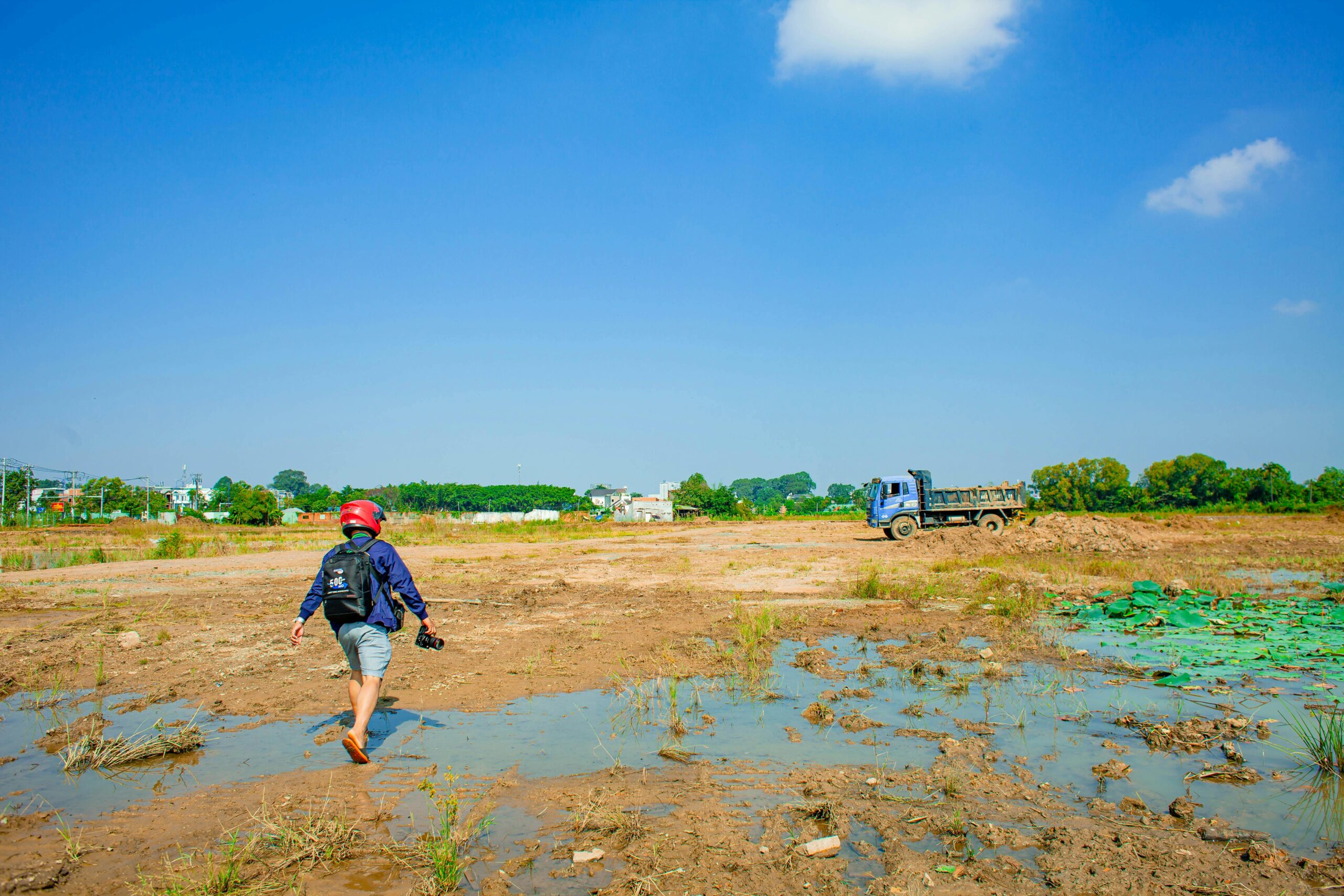
Human activities drive the vast majority of habitat fragmentation worldwide. Agricultural expansion remains the leading cause, as natural ecosystems are converted to cropland and pastures to feed growing human populations. Road construction creates linear barriers that slice through previously continuous habitats, while urban sprawl consumes natural areas at alarming rates.
The fragmentation process creates several distinct problems beyond simple area loss:
- Edge effects: The boundaries between habitat fragments and surrounding modified landscapes create distinct environmental conditions that penetrate deep into remaining patches
- Isolation: Distance between habitat fragments increases, making movement between patches increasingly difficult or impossible for many species
- Reduced patch size: Smaller habitat fragments cannot support populations of species that require large territories or have specific spatial requirements
- Altered microclimates: Fragmented habitats experience increased wind exposure, temperature fluctuations, and moisture loss compared to interior forest conditions
- Increased vulnerability: Small, isolated populations face higher extinction risk from random demographic events, genetic problems, and environmental disturbances
The Mathematics of Extinction
Island biogeography theory provides a mathematical framework for understanding how fragmentation affects biodiversity. Originally developed to explain species richness on oceanic islands, the theory applies equally well to habitat fragments surrounded by inhospitable landscapes. The model predicts that smaller, more isolated habitat patches will support fewer species than large, well-connected areas.
Research has repeatedly confirmed these predictions across diverse ecosystems and taxonomic groups. Studies in fragmented tropical forests, for example, document species loss rates of 40-75% in small, isolated patches compared to continuous forest areas. These losses don’t occur randomly but follow predictable patterns based on species’ ecological characteristics and requirements.
🦋 Biodiversity in Free Fall: Species Most at Risk
Certain species characteristics make organisms particularly vulnerable to habitat fragmentation. Large-bodied animals with extensive home ranges struggle to survive in small habitat patches. Species with specialized habitat requirements or narrow dietary niches find it difficult to persist when fragmentation reduces habitat heterogeneity. Poor dispersers cannot move between isolated patches, while species requiring interior forest conditions suffer disproportionately from edge effects.
Apex predators like jaguars, tigers, and wolves rank among the most fragmentation-sensitive species. These animals require vast territories to find sufficient prey, and their naturally low population densities mean that isolated populations often fall below minimum viable sizes needed for long-term persistence. Many large carnivore populations now survive only in protected areas too small to support genetically healthy populations.
The Overlooked Victims
While charismatic megafauna attract considerable conservation attention, fragmentation equally threatens countless less visible species. Forest-dependent birds show dramatic declines in fragmented landscapes, particularly species that nest in forest interior habitats or participate in mixed-species foraging flocks. Amphibians face compounded threats from fragmentation combined with their limited dispersal abilities and sensitivity to microclimate changes.
Plant species also suffer from fragmentation, though their immobility makes their plight less obvious. Many plants depend on specific pollinators or seed dispersers that disappear from fragmented habitats. Without these mutualistic partners, plants cannot reproduce successfully, leading to population decline and eventual local extinction. The loss of plant species then cascades through food webs, affecting herbivores, decomposers, and countless other organisms.
🌡️ Climate Change: Amplifying the Fragmentation Crisis
Climate change and habitat fragmentation interact synergistically, creating threats greater than either factor alone. As climate shifts, species must track their preferred environmental conditions across landscapes. Continuous habitats allow this movement, but fragmentation blocks climate-driven range shifts, trapping species in increasingly unsuitable conditions.
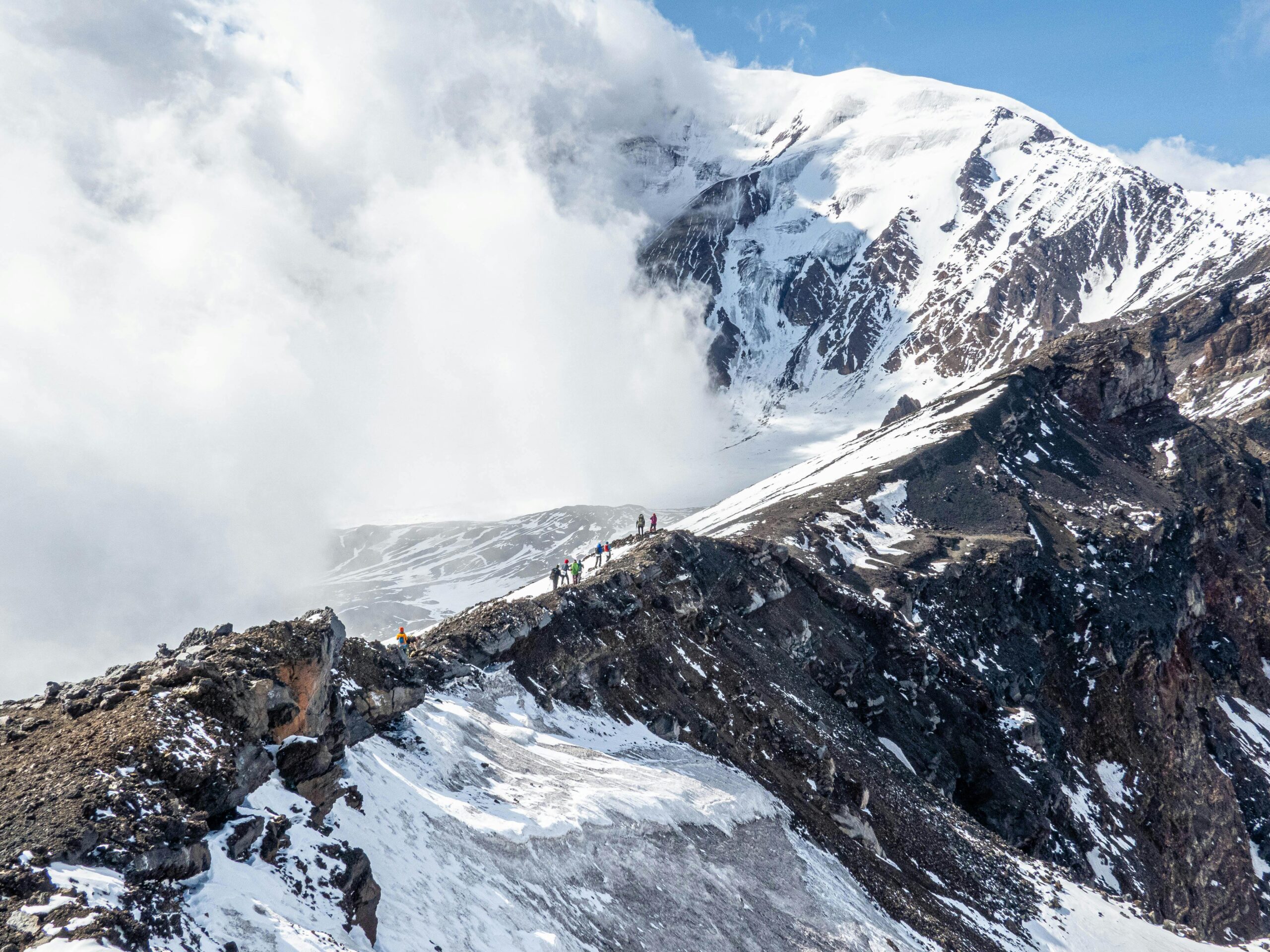
Mountain ecosystems illustrate this problem vividly. As temperatures rise, montane species attempt to move upslope to maintain suitable climatic conditions. However, mountains are inherently fragmented landscapes, and species eventually run out of elevation as they approach summits. Species restricted to isolated mountain peaks face extinction as their climatic niches disappear entirely from their accessible landscape.
Fragmentation also reduces ecosystem resilience to climate impacts. Smaller populations are more vulnerable to extreme weather events that are becoming more frequent under climate change. Heat waves, droughts, floods, and storms can wipe out entire populations in small habitat fragments, with no possibility of recolonization from neighboring areas.
🛤️ Breaking Down Barriers: Conservation Solutions
Addressing habitat fragmentation requires multifaceted approaches that operate at multiple spatial scales. Protected area networks form the foundation of conservation efforts, but simply setting aside isolated reserves proves insufficient. Conservation strategies must focus on maintaining and restoring connectivity between habitat patches to allow gene flow, species movement, and ecological processes to function.
Wildlife corridors represent one of the most effective tools for mitigating fragmentation impacts. These strips of habitat connect larger protected areas, allowing animals to move safely between patches. Corridor design must consider the specific needs of target species, as different organisms require different corridor characteristics. Wide, continuous corridors work best, but even narrow stepping-stone patches can facilitate movement for some species.
Innovative Connectivity Solutions
Engineers and conservationists have developed creative infrastructure solutions to maintain connectivity in human-dominated landscapes. Wildlife overpasses and underpasses allow animals to safely cross highways, reducing both roadkill mortality and barrier effects. These structures have proven remarkably successful, with monitoring studies showing that diverse species from insects to large mammals readily use properly designed crossing structures.
Urban areas present particular connectivity challenges, but green infrastructure approaches offer solutions. Urban wildlife corridors can follow riparian zones, utility rights-of-way, or abandoned railways. Even small-scale interventions like backyard habitats, street tree plantings, and green roofs contribute to connectivity at local scales, benefiting mobile species like birds and insects.
🌱 Restoration: Healing Fragmented Landscapes
Habitat restoration offers tremendous potential for reversing fragmentation impacts. Reforestation projects can reconnect isolated forest fragments, while wetland restoration can rebuild connectivity in aquatic systems. Successful restoration requires careful planning to ensure that restored habitats provide suitable conditions for target species and effectively link existing habitat patches.
Agricultural landscapes present both challenges and opportunities for connectivity conservation. Working lands comprise vast areas globally, and their management profoundly influences landscape connectivity. Agroforestry systems, hedgerows, riparian buffers, and other agricultural conservation practices can create permeable matrices that allow species movement while maintaining agricultural productivity.
Community-Based Conservation Approaches
Local communities play essential roles in addressing fragmentation, particularly in landscapes where people and wildlife coexist. Community conservancies, indigenous protected areas, and collaborative management arrangements can protect corridors on private and communal lands where government conservation agencies lack jurisdiction. These approaches often prove more sustainable than top-down conservation models by aligning wildlife conservation with local livelihoods and cultural values.
Education and awareness programs help build public support for connectivity conservation. When people understand how fragmentation affects local wildlife and ecosystem services they depend upon, they’re more likely to support conservation measures, even when those measures require land-use changes or restrictions.
📊 Measuring Success: Monitoring Connectivity and Biodiversity
Effective conservation requires robust monitoring to assess whether interventions successfully maintain or restore connectivity. Modern technology provides powerful tools for connectivity assessment. GPS tracking reveals how animals move through landscapes and whether they use corridors. Camera traps document species presence and behavior in key locations. Genetic analysis quantifies gene flow between populations, indicating whether connectivity is sufficient to maintain genetic health.
Remote sensing technologies enable landscape-scale connectivity assessment. Satellite imagery tracks habitat changes over time, while GIS-based connectivity modeling identifies critical linkages and prioritizes areas for protection or restoration. These analytical approaches help conservationists make evidence-based decisions about where to invest limited resources for maximum conservation impact.

💡 The Path Forward: Integrated Landscape Conservation
Solving the fragmentation crisis demands integrated approaches that consider entire landscapes rather than isolated protected areas. Land-use planning must incorporate connectivity considerations from the outset, designing development patterns that maintain ecological linkages. Strategic infrastructure placement can minimize barrier effects, while conservation easements and incentive programs can protect critical connectivity areas on private lands.
International cooperation becomes increasingly important as many critical ecosystems and wildlife populations span political boundaries. Transboundary conservation areas and coordinated management planning help maintain connectivity across borders. Global agreements and funding mechanisms support connectivity conservation in biodiversity-rich developing nations where resources for conservation may be limited.
The challenge of habitat fragmentation is immense, but not insurmountable. By understanding the domino effect that fragmentation triggers, recognizing the critical importance of eco-connections, and implementing comprehensive conservation strategies, we can reverse biodiversity decline and build more resilient ecosystems. The interconnected web of life that sustains our planet depends on maintaining these connections, and ultimately, our own survival depends on nature’s health and functionality.
Every action to reconnect fragmented habitats, from planting a wildlife-friendly garden to supporting large-scale corridor conservation, contributes to solving this crisis. The time to act is now, before more dominoes fall and before the losses become irreversible. Our legacy will be determined by whether we choose to heal these broken connections or allow the web of life to continue unraveling.