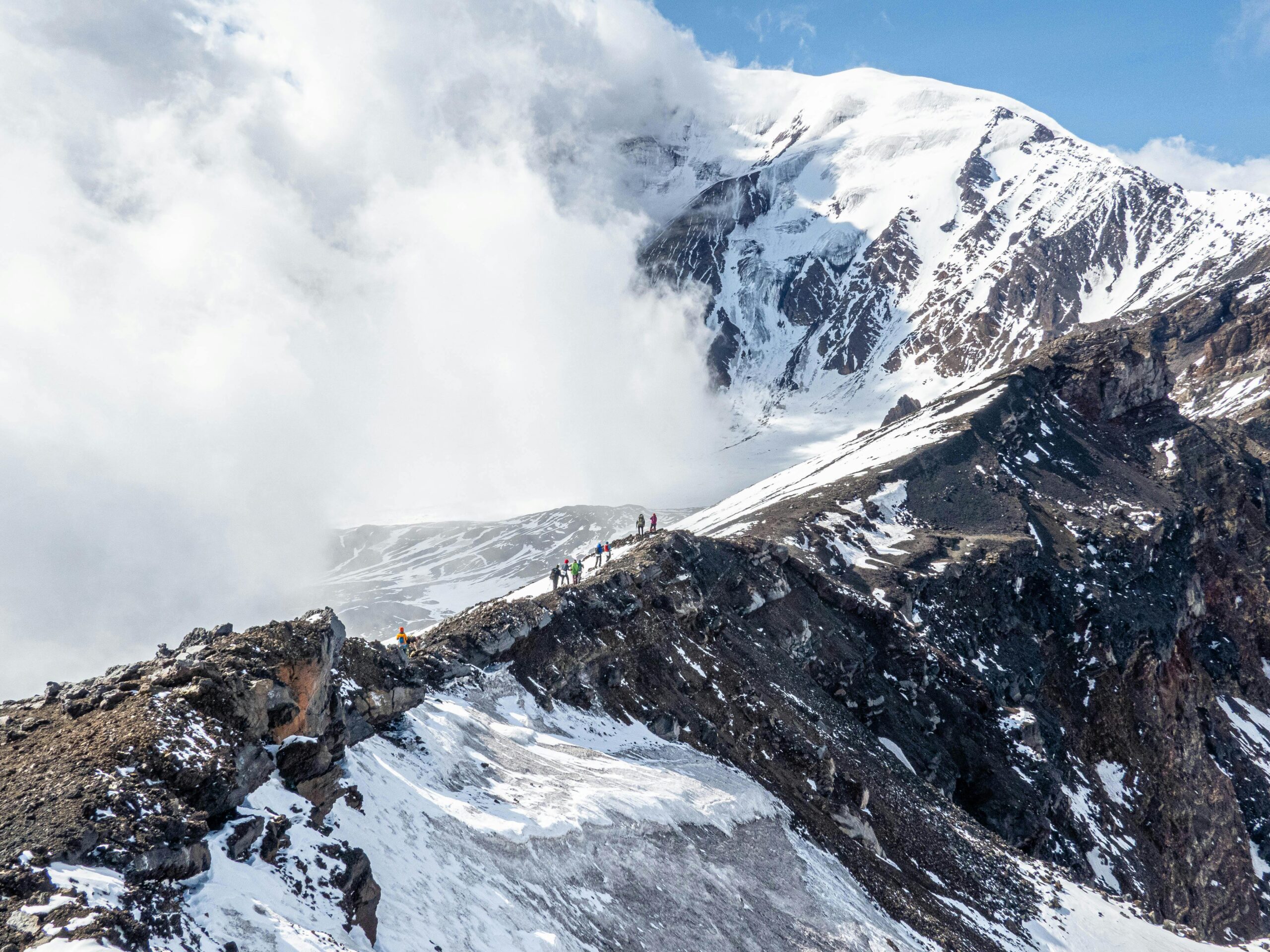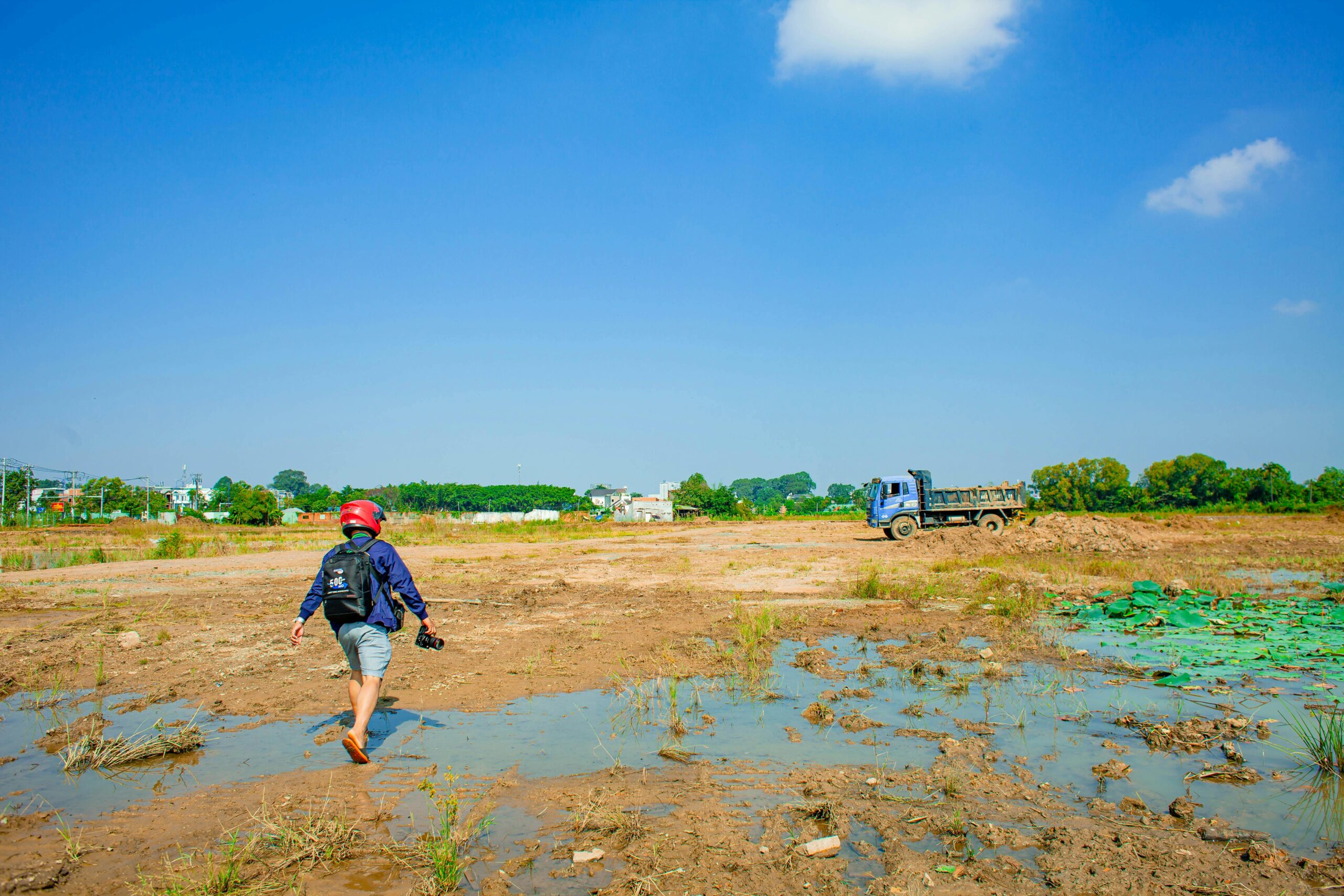
Nature presents formidable obstacles that test human resilience and ingenuity. Successfully navigating weather extremes and challenging terrain requires knowledge, preparation, and adaptive strategies for triumph.

🌍 Understanding Nature’s Dual Challenge
Weather and topography represent two of the most significant environmental factors that influence human activities across all industries and endeavors. From agriculture to construction, aviation to outdoor recreation, these natural forces shape how we plan, execute, and ultimately succeed in our pursuits. The relationship between atmospheric conditions and geographical features creates a complex system that demands respect, understanding, and strategic adaptation.
Modern technology has provided unprecedented tools for monitoring and predicting these natural phenomena, yet the fundamental challenge remains: humans must work within nature’s parameters rather than against them. The most successful individuals and organizations recognize that mastery doesn’t mean dominance, but rather intelligent collaboration with the forces that govern our planet.
⛰️ Decoding Topographical Obstacles
Topography encompasses the physical features of land surfaces, including mountains, valleys, plateaus, and coastal regions. Each terrain type presents unique challenges that require specialized approaches and equipment. Understanding these geographical characteristics forms the foundation for effective planning and execution across countless activities.
Mountain Terrain Considerations
Mountainous regions present some of the most demanding topographical challenges. Steep gradients increase physical exertion requirements and create logistical complications for equipment transport. Altitude effects, including reduced oxygen levels and rapid temperature changes, affect both human performance and mechanical operations. Successful mountain operations require acclimatization protocols, specialized gear, and contingency planning for sudden weather shifts.
Rock stability, avalanche zones, and limited access routes demand thorough reconnaissance before committing resources. Professional mountaineers, construction teams, and telecommunications installers all share the need for detailed topographical analysis and risk assessment before beginning work in elevated environments.
Navigating Flat and Valley Landscapes
While less dramatic than mountains, plains and valleys present distinct challenges. Drainage patterns affect agricultural planning and construction site selection. Wind exposure increases in open terrain, creating concerns for structural stability and outdoor work safety. Valley formations can funnel weather systems, creating microclimates that differ significantly from surrounding areas.
Flood plains require specialized building techniques and insurance considerations. Agricultural operations must account for soil composition variations and water retention characteristics that change across relatively short distances. Understanding these subtleties separates successful ventures from costly failures.
🌦️ Weather Patterns and Their Impact
Meteorological conditions influence virtually every outdoor activity and many indoor operations as well. Temperature extremes, precipitation, wind, and atmospheric pressure all combine to create conditions that range from ideal to impossible for specific tasks.
Temperature Management Strategies
Extreme heat challenges both human physiology and equipment performance. Heat stress protocols become essential in construction, agriculture, and outdoor events. Materials expand in high temperatures, affecting precision work and structural integrity. Cooling systems, hydration strategies, and schedule adjustments help mitigate these challenges.
Cold weather presents opposite but equally serious concerns. Hypothermia risks increase with wind chill and moisture exposure. Mechanical equipment requires winterization to prevent freezing and maintain operational reliability. Battery performance degrades in cold conditions, affecting everything from smartphones to heavy machinery. Successful cold-weather operations require insulated gear, heated shelters, and modified work schedules.
Precipitation Challenges Across Industries
Rain, snow, sleet, and hail each create specific obstacles. Construction sites become hazardous when wet, with slip risks and equipment bogging concerns. Agricultural operations must balance moisture needs against flood risks and field accessibility. Transportation networks face reduced visibility and traction challenges during precipitation events.
Snow accumulation adds weight stress to structures and blocks access routes. Ice formation creates treacherous surfaces and damages exposed equipment. Successful precipitation management involves monitoring forecasts, implementing protective measures, and maintaining flexible timelines that accommodate weather delays.
📱 Technology Tools for Weather Monitoring
Modern weather forecasting has evolved dramatically, providing detailed predictions that enable proactive planning. Smartphone applications now deliver hyper-local forecasts, radar imagery, and severe weather alerts directly to users in real-time.
Professional-grade weather apps offer features like precipitation timing predictions, wind speed forecasts at various altitudes, and lightning detection systems. These tools have become indispensable for outdoor professionals, event planners, and anyone whose success depends on atmospheric conditions.
Satellite technology enables precise tracking of storm systems, providing advance warning for severe weather events. Doppler radar systems detect precipitation intensity and movement patterns. Barometric pressure trends help predict short-term weather changes. Combining multiple data sources creates comprehensive situational awareness that supports informed decision-making.
🗺️ Topographical Mapping and Analysis
Digital elevation models and geographic information systems have revolutionized how professionals analyze and navigate terrain. Three-dimensional mapping applications provide visual representations of landscapes, enabling virtual reconnaissance before physical deployment.
GPS technology allows precise location tracking and route planning across challenging terrain. Contour maps reveal elevation changes that affect travel difficulty and drainage patterns. Slope analysis identifies areas suitable for construction versus those requiring specialized engineering solutions.
Drone technology has emerged as a valuable tool for topographical assessment. Aerial surveys capture high-resolution imagery and generate accurate elevation data for project planning. This technology proves especially valuable in inaccessible areas where traditional surveying methods prove impractical or dangerous.
🏗️ Construction and Infrastructure Adaptation
Building in challenging environments requires engineering solutions that account for both topography and weather extremes. Foundation design must accommodate soil composition, drainage patterns, and seismic considerations. Structural elements need sizing appropriate for wind loads, snow accumulation, and temperature fluctuations.
Site Selection Fundamentals
Choosing appropriate locations represents the first critical decision in any construction project. Elevation considerations affect drainage, wind exposure, and accessibility. Soil testing reveals bearing capacity and drainage characteristics. Historical weather data informs design specifications for expected conditions.
Microclimate analysis examines how local topography influences temperature, wind patterns, and precipitation. South-facing slopes receive more solar exposure, affecting heating and cooling requirements. Valley locations may experience temperature inversions and fog formation. These factors influence everything from energy efficiency to operational comfort.
Material Selection for Harsh Conditions
Environmental stressors demand materials engineered for specific challenges. Coastal construction requires corrosion-resistant materials that withstand salt exposure. Mountain facilities need components rated for extreme temperature ranges and UV exposure at altitude. Arctic environments demand materials that remain flexible and strong in extreme cold.
Roofing systems must handle expected snow loads without excessive weight that compromises structural integrity. Exterior finishes need durability against wind-driven rain, hail impacts, and freeze-thaw cycles. Window systems require appropriate insulation values while maintaining structural integrity during severe weather events.
🌾 Agricultural Success in Variable Conditions
Farming represents perhaps the most weather-dependent industry, where success or failure often hinges on atmospheric conditions beyond human control. Modern agriculture employs numerous strategies to mitigate weather and topography challenges while maximizing productive potential.
Microclimate Management Techniques
Understanding property-specific microclimates enables farmers to match crops with optimal growing locations. Cold air drainage patterns affect frost risk in valley bottoms versus hillside locations. Wind breaks reduce evaporation and protect sensitive plants from mechanical damage. Irrigation systems compensate for uneven precipitation distribution across varied topography.
Greenhouse technology creates controlled environments that overcome local climate limitations. Season extension techniques like row covers and high tunnels expand productive periods beyond natural growing seasons. These interventions require investment but provide insurance against unpredictable weather patterns.
Crop Selection and Diversification
Choosing plant varieties suited to local conditions represents fundamental agricultural wisdom. Native and adapted species demonstrate resilience to typical weather patterns and soil characteristics. Drought-tolerant crops succeed in arid environments, while moisture-loving species thrive in humid regions.
Diversification strategies spread risk across multiple crops with different weather vulnerabilities. If drought damages one crop, others may compensate. Rotation systems maintain soil health while disrupting pest and disease cycles. These time-tested approaches remain relevant in modern agricultural planning.
🚁 Transportation and Logistics Considerations
Moving people and goods across challenging terrain and through variable weather conditions requires specialized equipment, trained personnel, and adaptive logistics planning. Aviation, maritime shipping, and ground transportation each face unique environmental challenges.
Aviation Weather Management
Aircraft operations depend heavily on atmospheric conditions. Visibility requirements, wind speeds, and precipitation intensity all affect flight safety and schedule reliability. Thunderstorms create dangerous turbulence and wind shear conditions that force route deviations or cancellations.
Ice accumulation on aircraft surfaces represents a serious safety hazard requiring deicing procedures before departure. Mountain wave turbulence near terrain features creates invisible hazards for pilots. Successful aviation operations combine sophisticated weather monitoring with conservative safety protocols that prioritize passenger and crew welfare.
Ground Transportation Challenges
Roads crossing mountainous terrain require extensive engineering to maintain manageable gradients and adequate sight distances. Switchbacks enable elevation changes while keeping slopes within vehicle capabilities. Tunnels and bridges overcome obstacles but require significant investment and ongoing maintenance.
Winter road maintenance includes plowing, sanding, and chemical treatments to maintain traction and accessibility. Avalanche control measures protect critical transportation corridors in snow-prone regions. Flood-resistant infrastructure designs account for extreme precipitation events that are becoming more frequent with climate change.
⛺ Outdoor Recreation Safety and Success
Wilderness activities present unique challenges where participants voluntarily enter environments beyond immediate rescue capabilities. Preparation, knowledge, and sound judgment separate enjoyable adventures from dangerous situations.
Pre-Trip Planning Essentials
Researching expected weather conditions forms the foundation of trip planning. Understanding seasonal patterns helps avoid periods of extreme conditions. Checking specific forecasts immediately before departure provides updated information for final go or no-go decisions.
Route selection should match participant skill levels and physical capabilities. Escape routes and bail-out options provide safety margins when conditions deteriorate. Communication plans ensure someone knows the itinerary and expected return time, enabling prompt rescue responses if problems develop.
On-Trail Decision Making
Conditions can change rapidly, especially in mountainous terrain. Dark clouds, temperature drops, and increasing winds often signal approaching storms. Prudent adventurers turn back before conditions become dangerous rather than pushing forward into deteriorating situations.
Navigation skills remain essential despite GPS technology. Electronic devices fail in cold, wet conditions or when batteries die. Map and compass skills provide reliable backup navigation capabilities. Understanding terrain features helps maintain orientation even in reduced visibility.
🌡️ Climate Change Adaptation Strategies
Shifting climate patterns alter traditional weather expectations and intensify extreme events. Adaptation strategies now include planning for conditions outside historical norms. Infrastructure design must account for increased storm intensity, changing precipitation patterns, and rising sea levels.
Agricultural zones are shifting as growing seasons lengthen in some regions while others experience increased drought frequency. Water management becomes increasingly critical as precipitation patterns become less predictable. These changes require flexibility and willingness to modify traditional approaches.
💪 Building Resilience Through Preparation
Success in challenging environments ultimately depends on thorough preparation combined with realistic assessment of risks and capabilities. No amount of equipment can substitute for knowledge, experience, and sound judgment. The most successful individuals and organizations approach nature with respect rather than hubris.
Continuous learning improves capabilities over time. Each experience provides lessons that inform future decisions. Mentorship from experienced practitioners accelerates skill development while avoiding costly mistakes. Communities of practice share knowledge and support continuous improvement.
Emergency preparation provides insurance against worst-case scenarios. Backup plans, reserve supplies, and redundant systems create safety margins when primary plans fail. Regular training ensures skills remain sharp and equipment stays functional. These investments pay dividends when conditions test limits.
🎯 Integrating Multiple Strategies for Optimal Results
No single approach guarantees success across all situations. Effective environmental mastery combines technology with traditional knowledge, modern tools with time-tested techniques. Weather monitoring applications complement personal observation skills. GPS navigation supports but doesn’t replace map-reading abilities.
Flexibility separates successful ventures from failed ones. Rigid adherence to original plans despite changing conditions leads to disasters. Willingness to modify approaches, delay timelines, or abandon objectives when prudent demonstrates wisdom rather than weakness. Nature rewards those who work within its constraints.
Collaboration enhances individual capabilities. Teams with diverse skills handle complex challenges more effectively than individuals working alone. Communication systems maintain coordination across dispersed operations. Shared situational awareness enables rapid responses to developing conditions.

🌟 Achieving Success Through Natural Partnership
True mastery of weather and topography challenges comes not from conquering nature but from developing partnership with environmental forces. Understanding patterns enables prediction and preparation. Respecting limits prevents disasters. Adapting strategies to specific conditions optimizes outcomes.
Technology provides powerful tools for environmental awareness and decision support. Education builds knowledge foundations that inform sound judgment. Experience develops intuition that complements analytical thinking. Together, these elements create capabilities that enable success across diverse challenging environments.
The relationship between humans and nature continues evolving. Climate change introduces new variables requiring adaptive responses. Technological advances provide unprecedented capabilities for monitoring and responding to environmental conditions. The fundamental truth remains constant: success requires working with nature’s patterns rather than against them, combining ancient wisdom with modern innovation to achieve objectives safely and sustainably.