
Sound quality defines our modern listening experience, yet noise interference remains one of the most overlooked factors degrading harmonic footprint clarity across all audio platforms.

🎵 Understanding Harmonic Footprint in Audio Systems
The harmonic footprint represents the unique signature of sound frequencies that give music and audio its distinctive character. Every instrument, voice, and synthesized sound creates a pattern of fundamental frequencies and overtones that our ears interpret as timbre and quality. When we listen to a violin versus a flute playing the same note, the harmonic footprint differentiates these sounds, creating the rich tapestry of audio experiences we cherish.
This acoustic fingerprint consists of multiple layers of frequencies stacked upon each other. The fundamental frequency forms the base, while harmonics – integer multiples of that fundamental – create complexity and depth. A pristine harmonic footprint allows listeners to distinguish individual instruments in an orchestra, hear the breath control in a vocalist’s performance, or appreciate the subtle nuances in electronic music production.
Professional audio engineers spend countless hours refining these harmonic signatures during recording and mastering sessions. However, all this meticulous work can be undermined when noise infiltrates the signal path, obscuring the delicate details that make exceptional audio truly exceptional.
The Silent Enemy: How Noise Disrupts Audio Clarity
Noise pollution in audio systems manifests in numerous forms, each attacking harmonic clarity differently. Electronic noise from circuit components creates a constant hiss that masks quiet passages and subtle overtones. Environmental noise from cooling fans, electrical interference, and ambient sounds introduces random frequency content that competes with the intended audio signal.
The signal-to-noise ratio (SNR) quantifies this battle between desired sound and unwanted interference. A higher SNR indicates cleaner audio with better harmonic footprint preservation. When noise levels rise relative to the signal, harmonic details become buried under a blanket of interference, flattening the dynamic landscape and reducing the emotional impact of music.
Types of Noise Affecting Audio Quality
- White noise: Equal energy across all frequencies, creating a steady hiss that masks high-frequency harmonics
- Pink noise: More energy in lower frequencies, affecting bass clarity and warmth
- Electromagnetic interference: From nearby electronic devices creating buzz and hum
- Thermal noise: Generated by electronic components themselves, unavoidable but manageable
- Quantization noise: Digital artifacts from audio conversion processes
- Jitter: Timing errors in digital audio that smear harmonic relationships
🔬 The Science Behind Noise Masking Effects
Psychoacoustic research reveals how human hearing responds to noise interference in fascinating ways. Our auditory system employs frequency masking, where loud sounds at certain frequencies prevent us from hearing quieter sounds at nearby frequencies. Noise exploits this phenomenon ruthlessly, particularly affecting the mid-range frequencies where most musical information resides.
Critical bands in human hearing represent frequency ranges within which masking occurs most effectively. When noise energy falls within these critical bands alongside musical harmonics, our brains struggle to separate signal from interference. The result is a muddied soundscape where instrumental separation collapses and spatial imaging deteriorates.
Temporal masking adds another dimension to this challenge. Loud transient noises can mask quieter sounds that occur immediately before or after, disrupting the rhythm and articulation that give music its pulse and energy. This temporal smearing particularly affects percussive elements and the attack characteristics of notes that define musical expression.
Measuring Harmonic Footprint Degradation
Quantifying noise impact requires sophisticated measurement techniques that go beyond simple volume meters. Total harmonic distortion (THD) measurements reveal how much unwanted harmonic content appears in the signal due to noise and distortion. Lower THD percentages indicate cleaner reproduction of the original harmonic footprint.
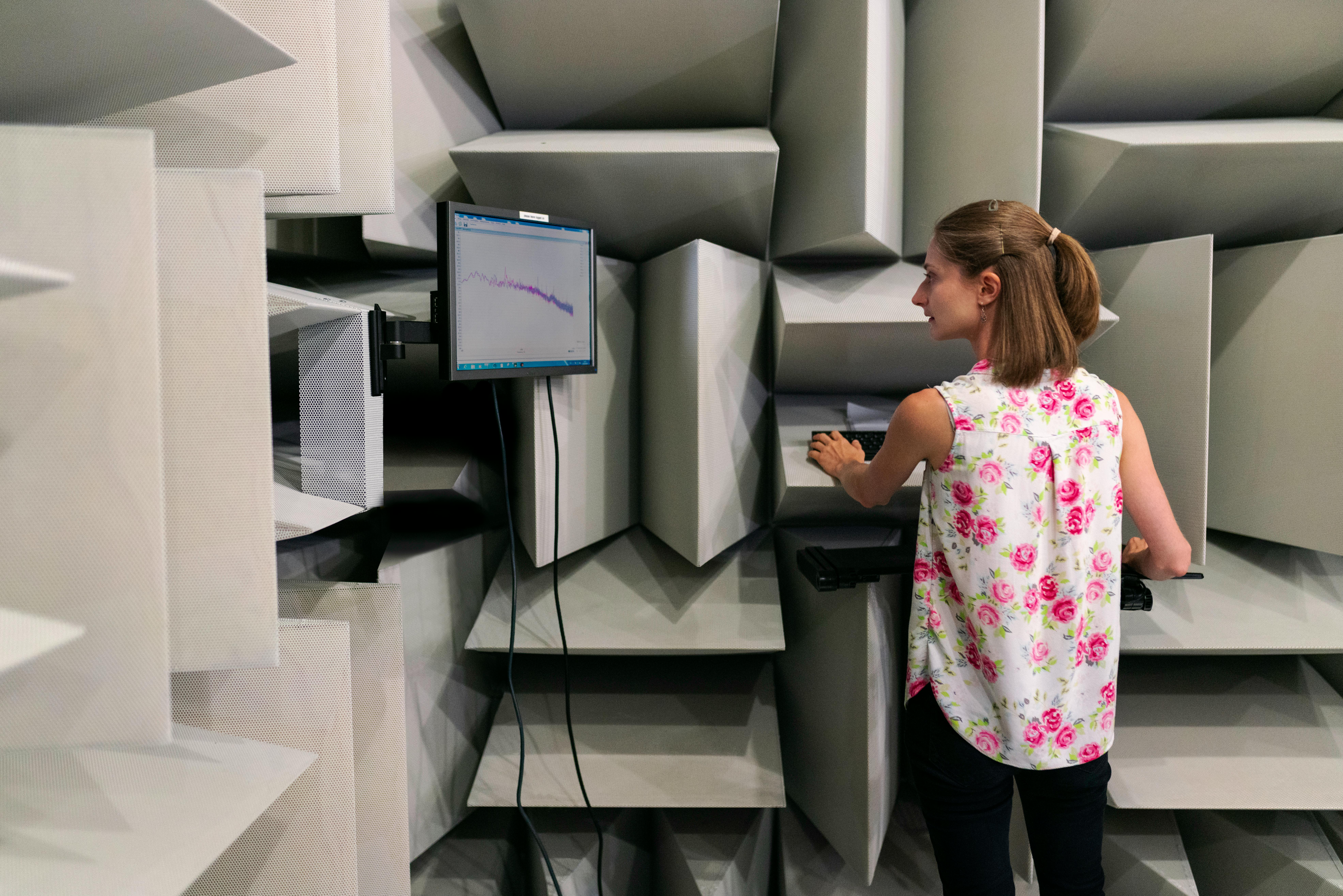
Spectral analysis tools display the frequency content of audio signals visually, allowing engineers to identify noise bands and their relationship to desired harmonics. These spectrograms reveal patterns invisible to traditional meters, showing exactly where noise intrusion compromises clarity. Modern analysis software can track harmonic evolution over time, highlighting how noise affects the dynamic character of musical performances.
| Measurement Type | What It Reveals | Ideal Range |
|---|---|---|
| Signal-to-Noise Ratio | Overall noise floor relative to signal | Greater than 90 dB |
| Total Harmonic Distortion | Unwanted harmonic content | Less than 0.1% |
| Dynamic Range | Difference between loudest and quietest sounds | Greater than 80 dB |
| Frequency Response | Accuracy across the audio spectrum | 20 Hz – 20 kHz ±3 dB |
🎧 Practical Strategies for Noise Reduction
Protecting harmonic footprint clarity begins with addressing noise at its source. High-quality audio components with superior engineering reduce inherent electronic noise. Shielded cables prevent electromagnetic interference from contaminating signals during transmission. Proper grounding eliminates hum and buzz that plague many audio installations.
Digital audio systems offer unique noise management advantages. Operating at higher bit depths and sample rates pushes quantization noise below audible thresholds. Dithering techniques deliberately add controlled noise patterns that paradoxically improve perceived resolution by randomizing quantization errors. Modern digital signal processing algorithms can selectively target and suppress noise while preserving harmonic content.
Acoustic Treatment and Environmental Control
Physical space significantly influences noise presence in recordings and playback environments. Acoustic treatment materials absorb reflections that create comb filtering effects, preserving harmonic clarity. Bass traps control low-frequency room modes that otherwise color the harmonic footprint with resonant peaks and nulls.
Sound isolation prevents external noise intrusion, particularly crucial for recording studios and critical listening rooms. Double-wall construction, floating floors, and decoupled ceilings create barriers against vibration and airborne noise transmission. Even modest improvements in isolation yield measurable enhancements in harmonic footprint clarity.
Advanced Technologies Enhancing Clarity
Active noise cancellation has evolved beyond headphones into studio monitoring and consumer audio systems. These systems analyze noise patterns in real-time and generate inverse signals that cancel interference before it reaches listeners’ ears. While originally designed for low-frequency rumble reduction, modern implementations increasingly address mid and high-frequency noise affecting harmonic detail.
Machine learning algorithms now identify and suppress noise with unprecedented intelligence. Trained on millions of audio samples, these systems distinguish between musical content and interference with remarkable accuracy. Adaptive filtering adjusts to changing noise conditions automatically, maintaining optimal harmonic footprint preservation across varying environments.
Digital Signal Processing Innovations
Spectral editing tools allow engineers to surgically remove noise from specific frequency bands without affecting musical content. Unlike broad noise gates that simply mute quiet passages, spectral processing operates with frequency-specific precision. This granular control preserves delicate harmonic overtones while eliminating interference.
Phase coherence correction addresses temporal smearing caused by noise and signal processing artifacts. By analyzing and adjusting phase relationships between harmonics, these tools restore the natural time alignment that gives music its punch and definition. The result is improved transient response and enhanced rhythmic clarity.
🎼 Impact on Different Music Genres
Classical music relies heavily on harmonic subtlety and instrumental timbre differentiation. Noise interference particularly damages the delicate string overtones and woodwind breath characteristics that convey emotional nuance. The wide dynamic range of orchestral music makes it especially vulnerable to noise masking during quiet passages where low-level details carry significant artistic meaning.
Electronic music presents different challenges and opportunities. Synthesized sounds often contain rich harmonic content extending across the entire frequency spectrum. Noise can confuse the precise frequency relationships that define electronic timbres, turning crystalline synth lines into murky approximations. However, electronic production environments offer complete control over the signal chain, enabling thorough noise management when properly implemented.
Jazz and acoustic genres depend on spatial imaging and instrumental separation that noise readily compromises. The conversational interplay between musicians requires clear harmonic footprints for each instrument. Background noise collapses this three-dimensional soundstage into a flat, congested presentation that loses the live performance magic.
Consumer Audio Equipment Considerations
Selecting audio equipment with superior noise performance directly translates to better harmonic footprint clarity. Amplifiers with high SNR specifications maintain signal purity through the amplification process. Digital-to-analog converters (DACs) with advanced filtering and reclocking circuitry minimize jitter and quantization artifacts.
Wireless audio technologies have historically struggled with noise issues, but recent developments dramatically improve performance. Aptx HD and LDAC codecs preserve more harmonic information during Bluetooth transmission. Proper implementation of these technologies approaches wired connection quality, making wireless convenience compatible with serious listening.
Headphone and Speaker Selection
Transducer quality determines how accurately harmonic footprints translate to acoustic energy. Headphones with low distortion specifications and extended frequency response reproduce harmonics faithfully. Closed-back designs isolate listeners from environmental noise, though open-back models often deliver superior harmonic transparency when used in quiet environments.
Speaker placement and room interaction profoundly affect harmonic clarity. Positioning that minimizes boundary reflections preserves harmonic relationships. Proper toe-in angle and listening distance optimization ensure harmonics arrive at the listening position in correct phase alignment.
📱 Mobile Listening and Noise Challenges
Smartphone audio faces unique noise challenges from compact electronics, limited power budgets, and uncontrolled listening environments. Despite these constraints, modern mobile devices achieve impressive audio quality through sophisticated noise management. Dedicated audio chips isolate signal processing from processor interference, while advanced codecs maximize quality within bandwidth limitations.
Mobile listening environments introduce extreme background noise from traffic, crowds, and machinery. Adaptive playback systems analyze ambient noise and adjust EQ to compensate, maintaining perceived harmonic balance despite interference. While not replacing quiet listening rooms, these technologies preserve more musical information than passive reproduction in noisy settings.
The Future of Noise Management in Audio
Emerging technologies promise revolutionary improvements in harmonic footprint preservation. Quantum computing applications may enable real-time audio processing at complexity levels currently impossible, allowing perfect noise separation from musical content. Three-dimensional audio formats incorporate spatial information that helps our auditory system segregate sounds, effectively reducing perceived noise impact.
Biometric integration represents an intriguing frontier. Systems that monitor listener hearing characteristics could personalize noise suppression and harmonic enhancement for individual auditory profiles. As we age, our hearing changes, but adaptive systems could compensate, maintaining consistent harmonic clarity throughout life.
🎚️ Professional Production Techniques
Recording engineers employ numerous strategies to capture clean harmonic footprints from the start. Microphone selection and placement minimize room noise pickup while maximizing desired signal capture. High-quality preamps add minimal noise while providing necessary gain, preserving the natural harmonic character of sources.
Mixing techniques balance instruments to prevent masking between competing harmonic elements. EQ sculpting creates frequency space for each element, ensuring harmonic footprints remain distinct. Parallel compression and multiband processing add density and impact without introducing the noise artifacts of excessive single-stage processing.
Mastering engineers perform the final quality control, ensuring harmonic integrity survives format conversion and distribution. Careful limiting and loudness optimization prevent the hypercompression that destroys dynamic range and harmonic detail. Dithering to final delivery formats maintains resolution down to the noise floor, preserving subtle harmonic information.
Cultivating Critical Listening Skills
Developing the ability to hear noise effects on harmonic footprints enhances audio appreciation and informs better equipment choices. Regular listening to high-quality reference recordings trains ears to recognize clean harmonic reproduction. A/B testing between audio components and settings reveals subtle differences that measurements alone cannot convey.
Understanding what to listen for focuses attention on relevant aspects of sound quality. Harmonic decay characteristics show how cleanly notes fade into silence without noise intrusion. Instrumental separation indicates successful preservation of individual harmonic footprints. Spatial depth and width reflect accurate phase relationships undisturbed by noise and distortion.
The pursuit of exceptional audio quality through noise management and harmonic footprint preservation enriches our connection with music. Every improvement in clarity reveals new layers of artistic intention and emotional expression. As technology advances and our understanding deepens, the seamless listening experience becomes increasingly achievable, bringing us closer to the pure musical vision artists intend to share.