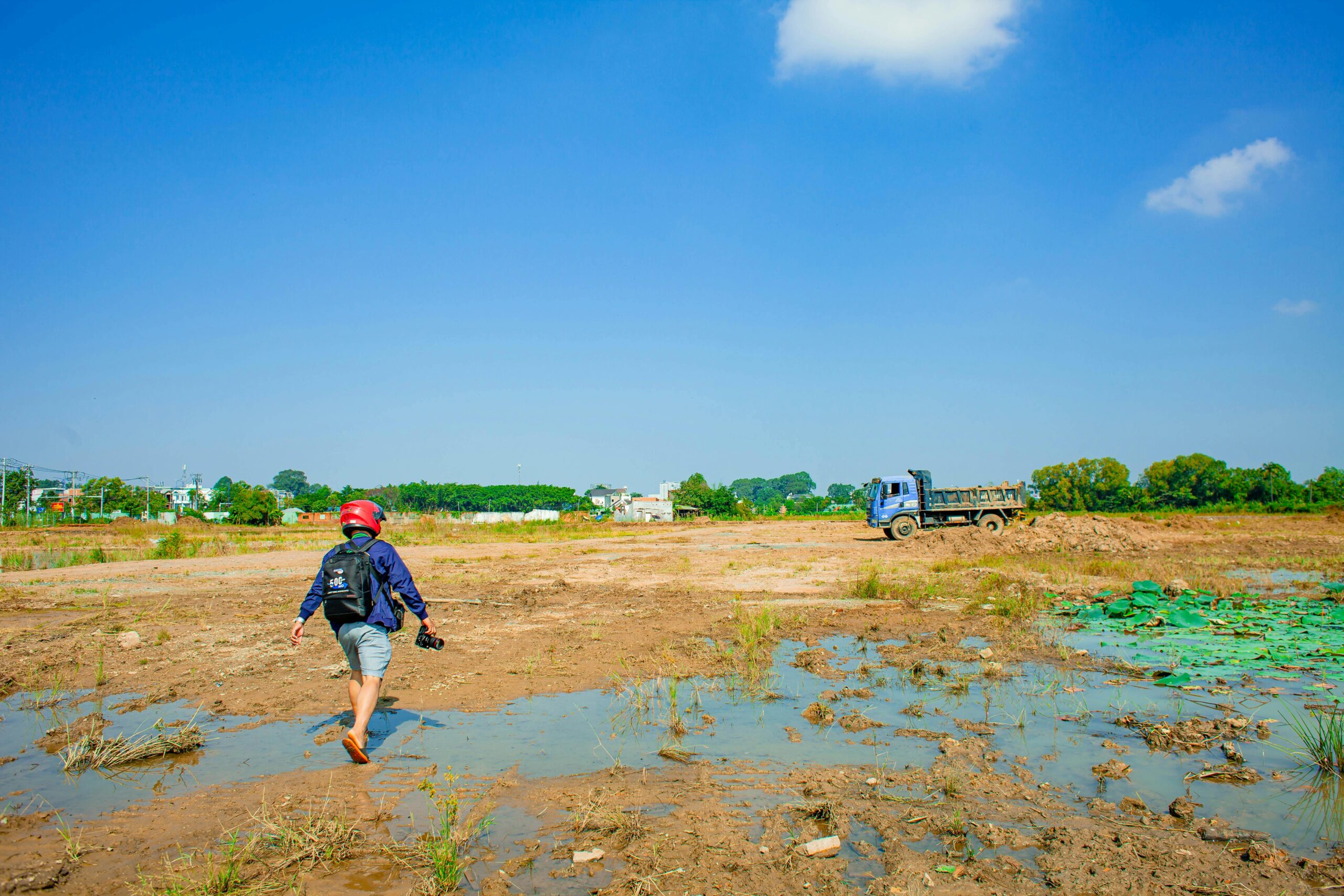
Weather doesn’t just change what we see and feel—it transforms the entire acoustic landscape around us, creating a symphony of environmental sounds that fluctuate with every atmospheric shift.

🌧️ The Invisible Orchestra: Understanding Weather’s Acoustic Fingerprint
Every weather pattern carries its own unique acoustic signature. When meteorological conditions shift, they fundamentally alter how sound waves propagate through the atmosphere, creating measurable differences in ambient noise levels that scientists, urban planners, and sound engineers have begun to recognize as crucial environmental indicators.
The relationship between weather and ambient noise is far more complex than simply rain being louder than sunshine. Temperature inversions, humidity levels, wind patterns, and atmospheric pressure all collaborate to create an ever-changing soundscape that impacts everything from wildlife behavior to urban noise pollution measurements.
Understanding these connections isn’t just academic curiosity—it has practical implications for acoustic monitoring, environmental assessments, and even our daily quality of life. Whether you’re a sound professional trying to capture clean audio outdoors or a homeowner wondering why traffic seems louder on certain days, weather plays a starring role in your acoustic experience.
The Science Behind Weather-Driven Sound Variations
How Atmospheric Conditions Bend Sound Waves
Sound waves travel differently depending on the medium they’re passing through. When temperature gradients exist in the atmosphere—with warmer air above cooler air or vice versa—sound waves bend in predictable patterns through a process called refraction.
During temperature inversions, common on clear, calm nights, warmer air sits atop cooler air near the ground. This configuration acts like an acoustic lens, bending sound waves back toward Earth’s surface. The result? Sounds carry much farther than usual, which is why you might hear distant highway traffic or train horns with surprising clarity on certain evenings.
Conversely, on hot sunny days, the ground heats the air immediately above it, creating a temperature gradient where warmer air is below and cooler air above. This setup bends sound waves upward, away from the surface, effectively reducing how far sounds travel horizontally. That distant construction site that kept you awake last night might be barely audible during a summer afternoon.
Humidity’s Hidden Role in Sound Transmission
Water vapor in the air significantly affects sound absorption, particularly at higher frequencies. Dry air absorbs sound energy more readily than humid air, meaning that on humid days, sounds—especially high-frequency ones—travel farther and seem crisper.
This explains why thunderstorms often sound so dramatically different from dry weather events. The moisture-laden air preceding a storm allows thunder to resonate with greater clarity and travel impressive distances. Bird songs, traffic noise, and human conversations all benefit from this improved transmission in humid conditions.
For professionals conducting ambient noise measurements, humidity becomes a critical variable that must be documented. A reading taken on a humid summer morning cannot be directly compared to one from a dry winter afternoon without accounting for these atmospheric differences.
⛈️ Storm Systems: Nature’s Loudest Performers
The Acoustic Cascade of Approaching Weather Fronts
Before a storm system arrives, atmospheric pressure drops and wind patterns shift. These changes create their own acoustic signatures—rustling leaves intensify, loose objects begin to rattle, and there’s often a perceptible increase in ambient noise levels even before the first raindrops fall.
Wind itself is perhaps the most significant contributor to ambient noise during storm events. As wind speed increases, it generates noise through multiple mechanisms: turbulent air flow creates direct acoustic energy, vegetation rustles and sways, and objects in the environment vibrate or oscillate.
Rainfall adds another dramatic layer to the soundscape. Light drizzle produces a soft, high-frequency hiss, while heavy downpours generate broadband noise across multiple frequencies. The surfaces rain strikes matter too—rain on pavement sounds distinctly different from rain on grass, metal roofs, or water surfaces.
Thunder’s Acoustic Complexity
Thunder represents one of nature’s most powerful acoustic phenomena. The initial crack of nearby lightning can exceed 120 decibels, while the rolling rumble that follows contains frequencies from infrasound (below human hearing) through the audible spectrum and into ultrasound.
The distance thunder travels depends heavily on atmospheric conditions. Temperature gradients, wind direction, and humidity all influence whether that distant storm is audible from miles away or seems muted despite being relatively close. This variability makes thunderstorm acoustic monitoring particularly challenging yet fascinating for researchers studying severe weather patterns.
🌬️ Wind: The Constant Variable in Noise Measurements
Wind complicates ambient noise readings more than any other weather factor. Even moderate breezes can increase background noise levels by 10-20 decibels, completely masking other environmental sounds that researchers or sound engineers might be trying to measure.
Professional-grade sound level meters use windscreens—foam or fur covers that reduce wind-induced noise without significantly affecting the measurement of other sounds. However, even with the best equipment, wind above certain speeds makes accurate ambient noise assessment nearly impossible.
Diurnal Wind Patterns and Urban Noise Cycles
Wind patterns follow predictable daily cycles that interact with urban noise in fascinating ways. Morning calm often provides the quietest ambient conditions, while afternoon breezes can elevate background noise significantly. Coastal areas experience sea breezes during the day and land breezes at night, each carrying different acoustic characteristics.
These patterns matter for urban planning and noise ordinance enforcement. A noise complaint might be valid on a calm evening but the same sound source might be inaudible during windy afternoon conditions. Progressive municipalities now incorporate weather data into their noise monitoring protocols to account for these variations.
📊 Seasonal Soundscapes: The Annual Acoustic Cycle
Winter’s Acoustic Peculiarities
Cold winter air affects sound propagation in unique ways. Sound travels faster in warm air than cold air, and temperature inversions are more common and pronounced during winter months, particularly on clear nights. This creates conditions where distant sounds carry with exceptional clarity—a phenomenon anyone living near highways or rail lines knows well.
Snow dramatically transforms the acoustic environment. Fresh, fluffy snow absorbs sound across a broad frequency range, creating an eerie quietness that many people find peaceful. This absorption occurs because snow’s porous structure traps sound waves. As snow ages, compacts, or develops an icy crust, these acoustic properties change, and the environment becomes progressively more reflective.
Summer’s Noisy Character
Summer brings not just warmer weather but a fundamentally noisier environment. Biological activity increases dramatically—insects, birds, and frogs contribute significant bioacoustic noise. Human activity expands outdoors, adding lawnmowers, air conditioners, construction equipment, and recreational vehicles to the soundscape.
Thermal turbulence on hot days creates additional complications for sound transmission. As the sun heats different surfaces unevenly, rising air columns create acoustic turbulence that can scatter sound waves, making long-distance sound propagation erratic and unpredictable.
🎙️ Practical Implications for Sound Recording and Monitoring
Weather-Smart Recording Strategies
Professional sound recordists and field recording enthusiasts have learned to work with weather rather than against it. Understanding how different conditions affect ambient noise helps them choose optimal recording windows and adjust their expectations accordingly.
Early morning hours, particularly in spring and fall, often provide the best conditions for capturing clean ambient recordings. Atmospheric stability, minimal wind, and reduced human activity combine to create an acoustic environment where desired sounds stand out clearly from the background.
For those conducting environmental noise surveys or compliance monitoring, weather documentation has become essential. Modern sound level meters often include meteorological sensors that simultaneously record temperature, humidity, wind speed, and barometric pressure alongside acoustic data. This integrated approach provides context that makes the acoustic measurements meaningful.
Technology Solutions for Weather-Aware Acoustic Monitoring
Advanced acoustic monitoring systems now incorporate real-time weather data to automatically flag measurements taken during unsuitable conditions. These smart systems recognize when wind speeds exceed acceptable thresholds or when precipitation might be contaminating readings.
For professionals and enthusiasts looking to monitor ambient noise while accounting for weather conditions, specialized applications can help track acoustic levels over time. Sound level measurement apps with weather integration provide valuable insights into how local conditions affect the acoustic environment.
🌍 Climate Change and the Evolving Soundscape
As global climate patterns shift, so too does Earth’s acoustic character. Changing precipitation patterns, more frequent extreme weather events, and shifting temperature gradients all influence how sound propagates through our environment.
Researchers have begun documenting changes in ambient noise levels associated with climate change. Some areas experience increased background noise due to more frequent storms or changes in vegetation patterns, while others show decreased noise as traditional sound sources shift or disappear.
The Bioacoustic Connection
Weather-driven changes in ambient noise don’t occur in isolation—they interact with biological soundscapes in complex ways. Bird migration patterns, insect emergence timing, and animal vocalization behaviors all respond to weather conditions, creating cascading effects on overall environmental noise.
This intersection of meteorology and bioacoustics offers a rich field for research. Scientists now use long-term acoustic monitoring to track not just weather patterns but also ecosystem health, species diversity, and climate change impacts through the lens of sound.
🏙️ Urban Applications: Smart Cities and Weather-Responsive Design
Noise Mapping with Meteorological Context
Progressive urban planning now incorporates weather-aware noise mapping. Rather than static noise maps showing average conditions, dynamic models account for how different weather scenarios affect noise propagation through urban canyons, across parks, and through residential neighborhoods.
These sophisticated models help city planners understand when certain areas might experience noise levels exceeding health guidelines and when natural weather conditions might provide acoustic relief. This information guides decisions about residential zoning, green space placement, and sound barrier design.
Building Design for Variable Acoustic Conditions
Architects increasingly consider weather-variable acoustics when designing buildings. Window placement, HVAC system design, and outdoor space configuration can all be optimized to account for how seasonal weather patterns will affect the acoustic environment experienced by occupants.
Natural ventilation strategies must balance energy efficiency with acoustic comfort, particularly in urban areas where weather conditions can dramatically amplify or attenuate exterior noise sources. Weather-responsive building systems that adjust ventilation based on outdoor acoustic conditions represent the cutting edge of sustainable, comfortable design.
The Personal Soundscape: Weather Awareness in Daily Life
Understanding weather’s impact on ambient noise isn’t just for professionals—it offers practical value in everyday life. Recognizing why traffic seems louder on certain mornings or why your neighbor’s dog is more audible during particular weather conditions reduces frustration and helps set realistic expectations.
For people sensitive to noise or dealing with noise-related stress, weather forecasts become acoustic forecasts too. Knowing that calm, cold nights will carry sound farther allows for proactive measures like closing windows earlier or using white noise machines preventively.
Outdoor Activity Planning
Weather-aware acoustic planning enhances outdoor experiences. Hikers seeking quiet natural environments can choose weather conditions that minimize distant human noise intrusion. Conversely, those enjoying outdoor concerts or events can anticipate how weather will affect sound propagation and audience experience.
Photographers working with video need to consider not just lighting conditions but also how weather will affect their audio tracks. A beautiful sunset shoot might be acoustically ruined by wind noise, while an overcast day might provide ideal stable conditions for capturing clean ambient sound.
🔬 The Future of Weather-Acoustic Research
The intersection of meteorology and acoustics continues to reveal new insights. Advances in sensor technology, machine learning, and distributed monitoring networks enable researchers to study weather-sound relationships at unprecedented scales and resolutions.
Emerging research explores using acoustic monitoring to detect weather phenomena. Changes in ambient noise patterns can sometimes precede measurable meteorological changes, potentially offering new approaches to weather forecasting or severe weather detection.
The proliferation of smartphones and consumer acoustic monitoring devices creates opportunities for citizen science projects that map acoustic conditions and weather correlations across diverse geographic areas. These crowdsourced datasets complement traditional research infrastructure, providing insights into how weather affects the acoustic environment across different climates and urban configurations.

🎯 Practical Takeaways for Better Acoustic Awareness
For anyone interested in understanding their acoustic environment more deeply, developing weather awareness transforms the listening experience. Notice how foggy conditions muffle sounds differently than clear air. Observe how wind direction affects which distant sounds reach your location. Track how seasonal changes alter your neighborhood’s characteristic soundscape.
This awareness isn’t just intellectually satisfying—it has practical applications. Better prediction of noisy conditions helps with sleep planning, work scheduling, and outdoor activity timing. Understanding why certain days feel acoustically overwhelming while others seem peaceful reduces stress and increases environmental appreciation.
The relationship between weather and ambient noise represents one of nature’s most accessible yet profound interactions. Every weather change rewrites the acoustic environment, creating an ever-shifting soundscape that reflects the atmosphere’s invisible movements. By tuning into these connections, we gain deeper appreciation for the complex systems that shape our sensory experience of the world.
Whether you’re a sound professional seeking to optimize recording conditions, an urban planner designing quieter cities, or simply someone curious about why the world sounds different from day to day, understanding weather’s acoustic impacts opens new dimensions of environmental awareness. Mother Nature’s mood swings don’t just change how the world looks—they fundamentally transform how it sounds, creating an dynamic acoustic tapestry that deserves our attention and appreciation.