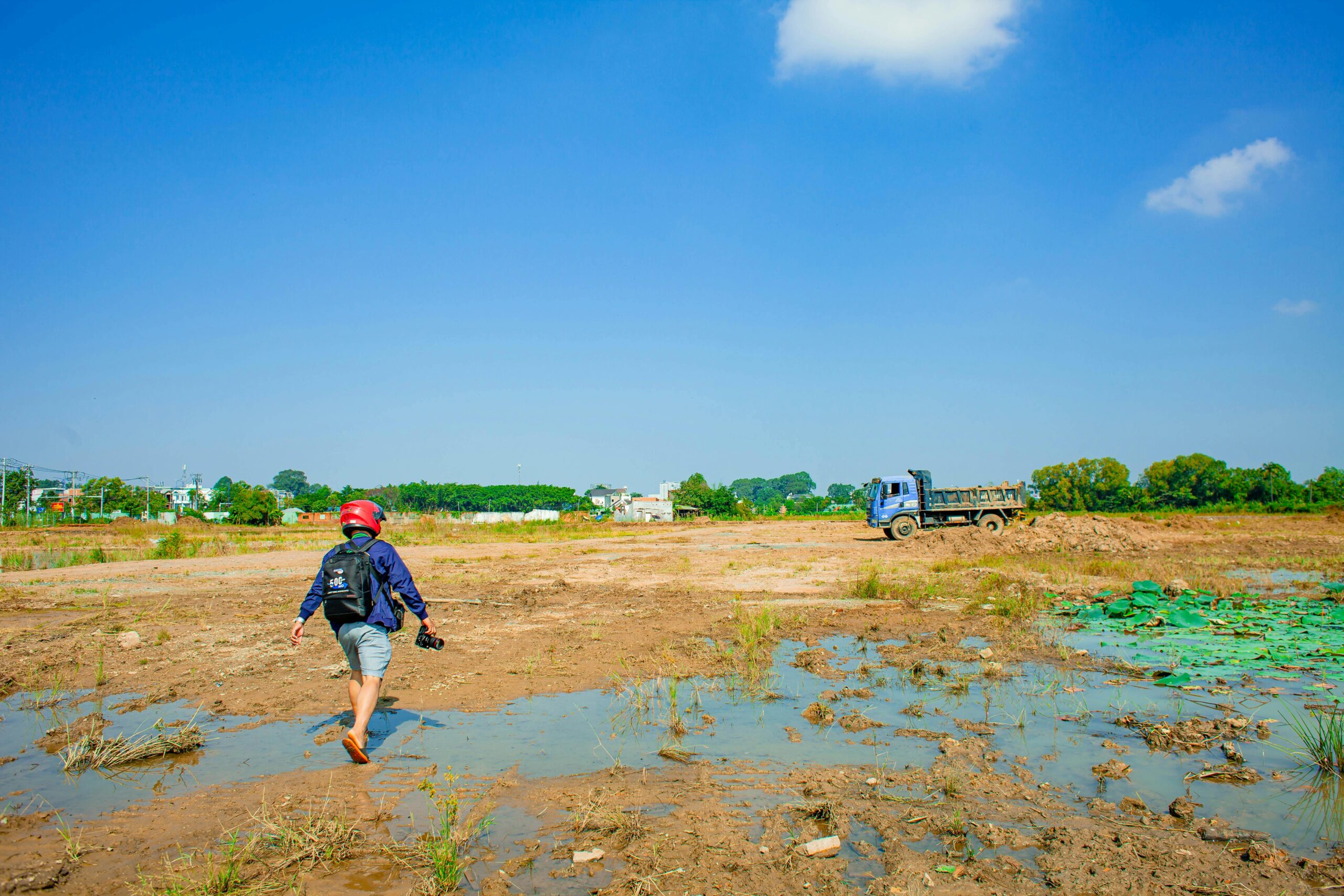
Nature holds countless acoustic secrets, and now everyday citizens armed with smartphones are helping scientists decode the symphonies of ecosystems worldwide through community-powered bioacoustics research. 🎵

The natural world is alive with sound. From the haunting calls of whales in the deep ocean to the rhythmic chirping of crickets on summer evenings, these acoustic signatures tell stories about ecosystem health, biodiversity, and environmental change. For decades, bioacoustics research remained the exclusive domain of scientists with specialized equipment and training. Today, that landscape is transforming dramatically as community science initiatives democratize the field, enabling anyone with curiosity and a recording device to contribute meaningful data to groundbreaking research.
The Dawn of Acoustic Ecology and Community Engagement 🌍
Bioacoustics—the study of sound production and perception in animals—has evolved from a niche scientific discipline into a powerful conservation tool. Traditional research methods required expensive recording equipment, extensive field time, and specialized expertise to analyze complex soundscapes. These barriers limited the scale and scope of studies, leaving vast geographical areas and countless species understudied.
The emergence of community science, also known as citizen science, has shattered these limitations. Armed with accessible technology and guided by research platforms, volunteers worldwide now collect acoustic data that would be impossible for professional researchers to gather alone. This collaborative approach isn’t just expanding datasets—it’s fundamentally changing how we understand and protect natural habitats.
Technology as the Great Equalizer in Sound Research
The smartphone revolution has placed sophisticated recording capabilities in billions of pockets worldwide. Modern devices capture high-quality audio that meets scientific standards, while GPS integration automatically tags recordings with precise location data. Cloud storage enables seamless data sharing, and machine learning algorithms can now process vast audio libraries to identify species-specific calls.
Specialized applications have emerged to support community bioacoustics efforts. These platforms guide users through proper recording techniques, help identify species based on their vocalizations, and connect contributors with research projects seeking specific data. The technology handles much of the complex analysis, allowing participants to focus on exploration and observation.
Recording Equipment Evolution: From Lab to Pocket
Professional acoustic monitoring once required bulky equipment costing thousands of dollars. Autonomous recording units (ARUs) deployed in remote locations needed weatherproof housing, extended battery systems, and storage for weeks of continuous recording. While these devices remain valuable for long-term monitoring, they’re now complemented by millions of mobile recorders carried by community scientists.
This technological democratization hasn’t compromised data quality. Studies comparing smartphone recordings with professional equipment have shown remarkable consistency in capturing biologically relevant acoustic information. The slight trade-offs in technical specifications are vastly outweighed by the exponential increase in spatial and temporal coverage that community participation provides.
Mapping Soundscapes: The Power of Collective Listening 🎧
Every ecosystem has its unique acoustic fingerprint—a soundscape composed of biological sounds (biophony), geophysical sounds (geophony), and human-generated sounds (anthrophony). Understanding these soundscapes requires data collection across different times, seasons, and locations. Community scientists excel at providing this breadth of coverage.
Consider migratory bird research. Professional ornithologists might monitor a few strategic locations during migration periods, but community observers distributed across entire continents can track migration waves in real-time. Their collective recordings reveal previously unknown stopover sites, document shifts in migration timing linked to climate change, and identify critical habitats requiring protection.
Case Study: Amphibian Chorus Monitoring Networks
Frogs and toads are excellent bioindicators—their presence and vocal activity reflect wetland health and water quality. Yet monitoring amphibian populations across large regions presents enormous logistical challenges. Community science programs have addressed this by recruiting volunteers to record breeding choruses during spring evenings.
These collective efforts have documented alarming declines in some species while discovering resilient populations in unexpected locations. The data informs habitat restoration priorities and helps researchers understand which environmental factors most influence amphibian survival. Participants develop deeper connections to local wetlands while contributing to conservation strategies based on robust acoustic evidence.
Species Discovery Through Crowdsourced Sound Libraries
The biodiversity crisis demands rapid assessment of species distributions and population trends. Acoustic monitoring offers a non-invasive method to detect elusive species that avoid visual observation. Community-contributed sound recordings have led to remarkable discoveries, from documenting rare species in fragmented habitats to identifying previously unknown vocalizations.
Bats exemplify the value of community bioacoustics. These nocturnal mammals navigate and hunt using ultrasonic echolocation calls beyond human hearing range. Affordable ultrasonic detectors paired with smartphone apps now enable volunteers to survey bat diversity in urban parks, agricultural landscapes, and protected areas. The resulting data maps reveal how different species use various habitat types and respond to human land use.
Acoustic Identification: Machine Learning Meets Human Expertise 🤖
Processing millions of hours of community-submitted recordings would overwhelm any research team without automated assistance. Machine learning algorithms trained on verified recordings can scan audio files, flagging potential species detections for human verification. This hybrid approach combines computational efficiency with human pattern recognition skills and contextual knowledge.
Community scientists play essential roles in training these algorithms. Their verified identifications become training data that improves detection accuracy. When algorithms encounter uncertain calls, experienced volunteers review spectrograms—visual representations of sound—to confirm species identity. This collaborative intelligence creates increasingly sophisticated tools that benefit the entire community science network.
Tracking Environmental Change Through Acoustic Time Capsules 📊
Sound recordings function as environmental time capsules, preserving acoustic snapshots of ecosystems at specific moments. As community science initiatives accumulate years of data, these audio archives reveal temporal trends invisible in shorter studies. Changes in species composition, shifts in vocal activity timing, and alterations in soundscape structure all signal environmental transformations.
Climate change impacts become audible through bioacoustic monitoring. Spring choruses beginning earlier, tropical species expanding their ranges northward, and declining acoustic diversity in degraded habitats all emerge from long-term community data. These acoustic indicators often detect ecosystem changes before they become visible, providing early warning systems for conservation intervention.
Urban Soundscape Studies: Nature in Human-Dominated Landscapes
Cities might seem devoid of wildlife, but acoustic monitoring reveals surprising biodiversity in urban green spaces. Community scientists living in metropolitan areas document how parks, gardens, and waterways support diverse species communities. Their recordings show how wildlife adapts vocalizations to compete with traffic noise and identify which urban design features best support biodiversity.
These urban acoustic studies inform planning decisions. Data showing robust bird communities in parks with native plantings supports conservation-oriented landscape design. Recordings documenting how noise barriers reduce traffic interference with wildlife communication guide infrastructure development. Community-generated evidence translates directly into policies that make cities more livable for both human and non-human residents.
The Human Dimension: Education and Empowerment Through Sound 🎓
Community science’s impact extends far beyond data collection. Participation transforms how people perceive and value nature. Recording soundscapes requires attentive listening—a practice that cultivates deeper environmental awareness. Participants begin noticing seasonal patterns, identifying individual species by ear, and recognizing subtle changes in local ecosystems.
This experiential learning proves more powerful than passive education. A person who has tracked the return of migrating warblers through their spring songs develops personal investment in habitat conservation. Someone who documents the nightly chorus of insects in their garden understands biodiversity at an intimate level. These connections foster environmental stewardship that extends beyond individual research projects.
Building Scientific Literacy Through Acoustic Research
Community bioacoustics projects provide authentic scientific experiences. Participants learn research protocols, understand data quality considerations, and see how their contributions integrate into larger studies. Many platforms share results with contributors, showing how collective data answers research questions and informs conservation decisions.
Educational institutions increasingly incorporate community science into curricula. Students recording local soundscapes practice scientific methods while contributing real data to active research. Teachers use these projects to demonstrate ecology concepts, data analysis techniques, and the scientific process. The authenticity of contributing to genuine research motivates students more effectively than textbook exercises.
Challenges and Solutions in Community Bioacoustics 🔧
Despite tremendous potential, community science faces practical challenges. Data quality varies based on participant experience, equipment capabilities, and recording conditions. Metadata completeness—information about location, time, habitat, and weather conditions—directly impacts data usability but requires conscientious documentation.
Research platforms address these challenges through several strategies:
- Providing clear recording protocols with illustrated guides and video tutorials
- Implementing automated data quality checks that flag technical issues
- Creating tiered validation systems where expert volunteers verify identifications
- Designing user-friendly interfaces that capture essential metadata automatically
- Building supportive communities where experienced participants mentor newcomers
Sustaining participant engagement requires ongoing effort. Successful programs regularly communicate with contributors, share research findings, and recognize valuable contributions. Gamification elements like achievement badges and identification leaderboards motivate continued participation while maintaining scientific rigor.
From Data to Conservation Action: Real-World Impact 🌱
The ultimate measure of community science success lies in conservation outcomes. Acoustic data from volunteer networks increasingly influences environmental management decisions, policy development, and habitat protection efforts. The scale and geographic coverage of community-generated datasets provide evidence that shapes conservation priorities.
Protected area management benefits significantly from community acoustic monitoring. Regular recordings from volunteers supplement professional surveys, creating more complete pictures of biodiversity. Data showing seasonal patterns guide visitor management strategies that minimize disturbance during sensitive breeding periods. Acoustic evidence of declining populations triggers habitat restoration interventions.
Success Stories: Community Data Driving Conservation Victories
Numerous conservation successes trace directly to community bioacoustics contributions. Volunteer networks have documented species persisting in areas presumed uninhabited, prompting habitat protection measures. Community recordings demonstrating wildlife use of green corridors have influenced urban planning to maintain connectivity. Acoustic evidence from citizen scientists has supported legal protections for threatened species by documenting population distributions and habitat requirements.
These tangible outcomes validate participant efforts and demonstrate that community science generates actionable knowledge. When volunteers see their recordings contributing to wetland restoration or informing endangered species recovery plans, they recognize their role in conservation success. This connection between individual action and meaningful impact sustains long-term engagement.
The Future Soundscape: Where Community Bioacoustics Leads Next 🚀
Community bioacoustics stands at an exciting frontier. Emerging technologies promise even greater capabilities for volunteers and researchers alike. Artificial intelligence will enable real-time species identification in the field, providing immediate feedback to recorders. Low-cost acoustic sensors will expand permanent monitoring networks across diverse habitats. Integration with other community science data streams—visual observations, environmental measurements, genetic samples—will create comprehensive ecosystem assessments.
Global coordination of community acoustic monitoring could create a worldwide listening network tracking biodiversity changes across all biomes. Standardized protocols and shared databases would enable planetary-scale analyses of ecosystem health. Such infrastructure would detect ecological shifts as they occur, providing early warning of biodiversity crises and documenting recovery following conservation interventions.
Emerging Frontiers: Underwater and Subsurface Acoustics
Most community bioacoustics currently focuses on terrestrial and aerial environments, but underwater soundscapes present enormous opportunities. Marine mammals, fish, and invertebrates create rich acoustic environments that remain understudied. Affordable hydrophones paired with smartphones could enable coastal communities to monitor nearshore biodiversity, track marine mammal migrations, and assess impacts of underwater noise pollution.
Similarly, subsurface acoustics offers insight into soil ecosystem health. Belowground organisms produce vibrations and sounds that reflect soil biological activity. As detection technology improves and becomes more accessible, community scientists might contribute to understanding these hidden worlds beneath our feet.
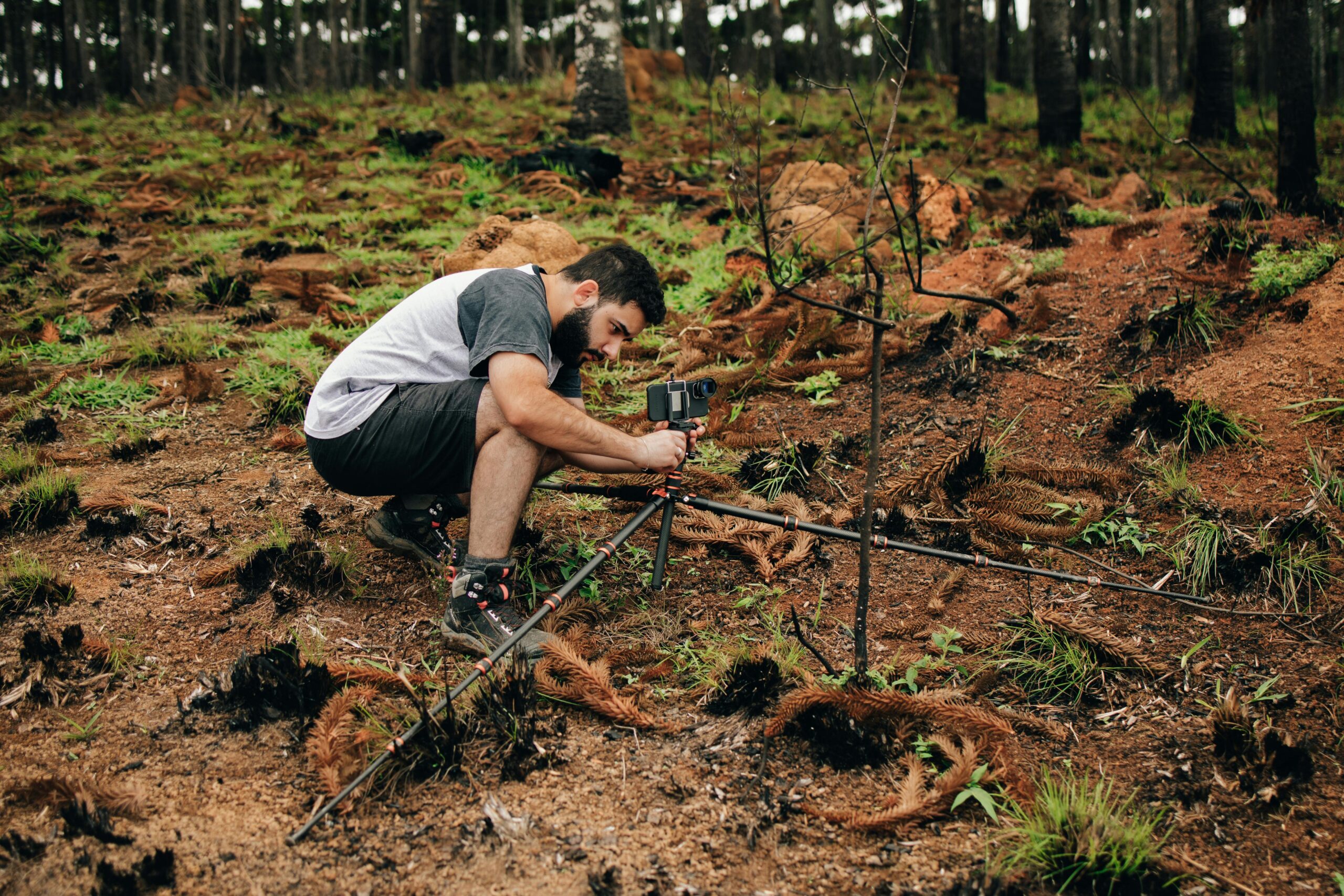
Joining the Acoustic Revolution: Your Role in Discovery 🎤
Participating in community bioacoustics requires no special credentials—only curiosity and commitment to careful observation. Numerous platforms welcome contributors at all experience levels, providing training resources and connecting volunteers with active research projects. Your local nature sounds contribute valuable data points in global research networks addressing critical conservation questions.
Starting requires simple steps: download a reputable community science app, familiarize yourself with recording best practices, and begin documenting soundscapes in accessible locations. Parks, gardens, nature preserves, and even urban green spaces host acoustic communities worth recording. Consistency matters more than exotic locations—repeated recordings from familiar places reveal temporal patterns that single observations cannot capture.
As your skills develop, you’ll identify species by ear, recognize habitat quality indicators in soundscapes, and understand how environmental factors influence acoustic activity. These skills enrich outdoor experiences while contributing data that advances scientific understanding and supports conservation action. Your recordings become part of an acoustic archive documenting our planet’s biodiversity for future generations.
The revolution in community bioacoustics demonstrates that scientific discovery need not remain confined to laboratories and academic institutions. When technology, methodology, and human curiosity converge, remarkable things happen. Millions of ears attuned to nature’s symphonies are unlocking secrets that transform how we understand, value, and protect the living world. The soundscape awaits your contribution—will you add your voice to this global chorus of discovery? 🌿