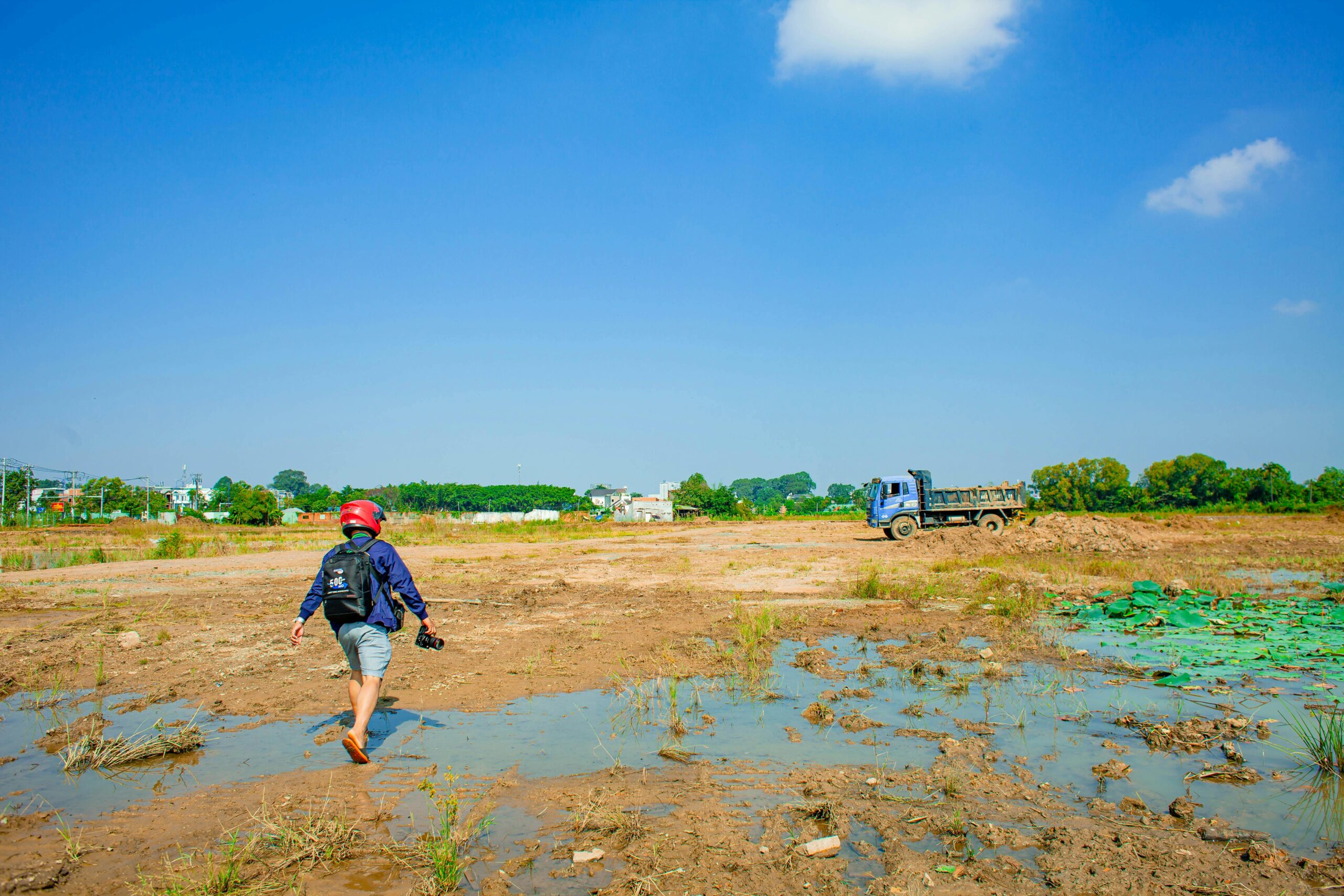
Effective communication transforms habitat conservation data into actionable insights that drive meaningful environmental change and stakeholder engagement.

In the realm of environmental conservation and habitat management, collecting data is only half the battle. The real challenge—and opportunity—lies in how we communicate our findings to diverse stakeholders. Whether you’re presenting to community members, government officials, funding organizations, or corporate partners, the ability to translate complex ecological data into compelling narratives can make the difference between project success and stagnation.
Habitat results represent countless hours of fieldwork, meticulous data collection, and scientific analysis. Yet these efforts remain incomplete until they reach the people who can act upon them. Clear communication bridges the gap between scientific knowledge and practical conservation action, creating pathways for collaboration, funding, and policy change.
🎯 Understanding Your Stakeholder Landscape
Before crafting your communication strategy, you must recognize that stakeholders come with varying levels of environmental knowledge, different interests, and distinct decision-making frameworks. A government official focused on policy compliance requires different information than a community member concerned about local wildlife or a corporate sponsor evaluating return on investment.
Mapping your stakeholder ecosystem helps identify communication priorities. Primary stakeholders typically include funders, regulatory agencies, and local communities directly affected by habitat projects. Secondary stakeholders might encompass media outlets, educational institutions, and advocacy groups. Each group requires tailored messaging that resonates with their specific concerns and motivations.
The most successful conservation communicators develop stakeholder personas—detailed profiles that outline each group’s knowledge level, preferred communication channels, decision-making criteria, and potential objections. This strategic approach ensures your habitat results speak directly to what matters most to each audience segment.
📊 Translating Scientific Data Into Accessible Insights
Scientists and conservation professionals often fall into the trap of data dumping—overwhelming audiences with statistics, technical terminology, and methodological details. While scientific rigor remains essential, the presentation layer must prioritize clarity and relevance over comprehensive detail.
Start by identifying the core takeaways from your habitat results. What are the three to five most important findings? What do these findings mean for the ecosystem, the community, and the stakeholders themselves? Frame your data within a narrative structure that establishes context, presents findings, and illustrates implications.
Visual communication tools dramatically enhance comprehension and retention. Infographics, before-and-after photographs, maps showing habitat changes, and simple charts transform abstract numbers into tangible realities. When presenting biodiversity indices or population trends, consider using visual metaphors that connect ecological concepts to everyday experiences your audience already understands.
Creating Compelling Data Visualizations
The human brain processes visual information 60,000 times faster than text, making visualization a powerful communication tool for habitat results. However, not all visualizations serve your objectives equally well. Charts should clarify rather than complicate, emphasizing key trends while minimizing visual clutter.
For temporal data showing habitat changes over time, line graphs or area charts work effectively. Spatial data benefits from geographic information system (GIS) mapping that shows habitat distribution, restoration zones, or species corridors. Comparative data across different sites or intervention strategies often communicates best through bar charts or grouped column charts.
Color choices matter significantly in data visualization. Use intuitive color schemes where green represents positive environmental outcomes and red signals concerns or declines. Maintain consistency across all visual materials to build recognition and reinforce key messages. Always include clear labels, legends, and brief explanatory text that guides interpretation without requiring specialized knowledge.
🗣️ Crafting Messages That Resonate Emotionally and Rationally
Effective communication about habitat results engages both the head and the heart. While data and evidence appeal to rational decision-making processes, emotional connection drives passion, commitment, and action. The most impactful communication strategies integrate both dimensions.
Stories humanize conservation work and create emotional resonance. Rather than simply reporting that bird populations increased by 40%, share the story of a specific species returning to nest in restored wetlands after decades of absence. Include testimonials from community members who witnessed the transformation or photographs of wildlife thriving in rehabilitated habitats.
However, emotional appeals must be grounded in credible evidence. Stakeholders need assurance that habitat investments produce measurable results. Present your scientific methodology concisely, highlighting quality control measures and peer review processes that validate your findings. This combination of rigorous evidence and compelling narrative creates persuasive communication that satisfies both analytical and intuitive decision-making styles.
💼 Tailoring Communication Formats to Different Stakeholder Groups
Different stakeholders consume information through different channels and formats. Recognizing these preferences and adapting your communication approach accordingly maximizes reach and impact.
Executive Summaries for Decision-Makers
Busy executives, government officials, and board members rarely have time for lengthy technical reports. For these audiences, develop concise executive summaries that distill habitat results into actionable insights on a single page or brief presentation. Focus on outcomes, return on investment, policy implications, and recommended next steps. Lead with conclusions rather than building toward them gradually.
Detailed Reports for Technical Reviewers
Scientific peers, regulatory agencies, and technical advisors require comprehensive documentation that demonstrates methodological rigor. These audiences appreciate detailed appendices, statistical analyses, and references to peer-reviewed literature. However, even technical reports benefit from clear writing, logical organization, and visual elements that enhance comprehension.
Community Presentations and Public Engagement
Local communities deserve accessible communication that respects their environmental knowledge and lived experience. Public presentations should minimize jargon, use visual aids extensively, and create opportunities for questions and dialogue. Consider hosting site visits where stakeholders can observe habitat improvements firsthand, creating powerful experiential learning opportunities that no report can replicate.
Digital and Social Media Communication
Modern stakeholder engagement increasingly occurs through digital channels. Websites, email newsletters, and social media platforms extend your reach beyond traditional communication methods. Short video clips showing habitat transformation, interactive maps, and regular progress updates maintain stakeholder interest between formal reporting periods. Digital communication also facilitates two-way dialogue, allowing stakeholders to ask questions, provide feedback, and share their own observations.
🌱 Highlighting Tangible Benefits and Real-World Applications
Stakeholders support habitat conservation more enthusiastically when they understand how it benefits their own interests and concerns. Explicitly connecting habitat results to stakeholder priorities strengthens engagement and builds lasting partnerships.
For government stakeholders, emphasize how habitat improvements contribute to regulatory compliance, climate resilience, flood control, or water quality objectives. For corporate partners, highlight brand reputation benefits, employee engagement opportunities, and alignment with environmental, social, and governance (ESG) commitments. For community stakeholders, focus on recreational opportunities, property values, local employment, and cultural heritage preservation.
Ecosystem services framing helps diverse audiences understand habitat value in concrete terms. Restored wetlands don’t just support biodiversity—they filter water, sequester carbon, protect against flooding, and provide recreational opportunities. Reforestation projects create wildlife habitat while also improving air quality, reducing urban heat islands, and offering aesthetic and mental health benefits. Translating ecological outcomes into these tangible services demonstrates relevance across stakeholder groups.
📱 Leveraging Technology for Enhanced Communication
Digital tools and platforms have revolutionized how conservation professionals share habitat results with stakeholders. Geographic information systems allow interactive exploration of spatial data. Time-lapse photography and drone footage create compelling visual documentation of habitat change. Mobile applications enable real-time data sharing and citizen science participation.
Virtual reality and augmented reality technologies offer immersive experiences that transport stakeholders into restored habitats, creating emotional connections that traditional media cannot achieve. Web-based dashboards provide continuously updated habitat monitoring data, increasing transparency and stakeholder confidence in project outcomes.
These technological tools should complement rather than replace traditional communication methods. Not all stakeholders have equal access to digital platforms or comfort with technology. A comprehensive communication strategy employs multiple channels to ensure all stakeholder groups receive information in formats they can readily access and understand.
🤝 Building Trust Through Transparency and Consistency
Trust forms the foundation of effective stakeholder communication. Stakeholders who trust your organization and its data are more likely to support conservation initiatives, provide resources, and advocate for habitat protection. Building this trust requires consistent, honest, and transparent communication practices.
Share both successes and challenges in your habitat work. When results fall short of expectations, communicate this openly along with explanations and adaptive management responses. This transparency demonstrates scientific integrity and realistic assessment rather than selective reporting. Stakeholders appreciate honesty and are more forgiving of setbacks when they understand the context and corrective actions.
Establish regular communication rhythms that keep stakeholders informed without overwhelming them. Quarterly updates, annual reports, and ad hoc communications for significant developments create predictable information flows. Consistency in timing, format, and messaging builds credibility and maintains stakeholder engagement over the long project timelines typical of habitat conservation.
🎓 Empowering Stakeholders as Conservation Ambassadors
The most powerful communication strategies transform passive information recipients into active conservation advocates. When stakeholders deeply understand habitat results and their significance, they become ambassadors who extend your message far beyond your organization’s direct reach.
Provide stakeholders with shareable content—social media graphics, fact sheets, presentation slides—that they can use to communicate habitat successes within their own networks. Offer training or informational sessions that deepen their ecological understanding and communication skills. Recognize and celebrate stakeholder contributions publicly, reinforcing their connection to conservation outcomes.
Citizen science initiatives particularly excel at transforming stakeholders into engaged participants. When community members contribute to habitat monitoring through species observations, water quality testing, or vegetation surveys, they develop personal investment in conservation outcomes. Their participation also generates additional data while simultaneously building environmental literacy and advocacy capacity.
📈 Measuring Communication Effectiveness and Adapting Strategies
Like habitat conservation itself, communication strategies benefit from monitoring, evaluation, and adaptive management. Tracking how stakeholders receive, understand, and act upon your habitat results helps refine communication approaches over time.
Quantitative metrics include report download numbers, website traffic, social media engagement rates, and attendance at presentations or events. Qualitative assessment through surveys, focus groups, or informal conversations provides deeper insights into comprehension, persuasiveness, and areas of confusion or concern.
Pay particular attention to stakeholder actions following communication efforts. Did funders renew or increase support? Did policy makers reference your data in decisions? Did community members express support or volunteer participation? These behavioral indicators reveal communication effectiveness more reliably than passive consumption metrics.
Use evaluation findings to continuously improve your communication approach. If stakeholders struggle with technical terminology, simplify language further. If certain visual formats generate strong engagement, create more content in those formats. If particular stakeholder groups remain underserved, develop targeted communication initiatives specifically for them.

🌍 The Ripple Effect of Clear Communication
When habitat results reach stakeholders through clear, compelling, and accessible communication, the impacts extend far beyond immediate project boundaries. Informed stakeholders make better decisions, allocate resources more effectively, and support conservation policies more enthusiastically. They share knowledge within their communities, multiplying your communication reach organically.
Clear communication attracts additional partnerships, funding, and collaboration opportunities. Organizations that demonstrate both conservation effectiveness and communication excellence stand out in competitive funding environments. Media outlets seeking environmental stories gravitate toward sources that provide accessible expert information and compelling visuals.
Perhaps most importantly, effective communication of habitat results contributes to broader environmental literacy and conservation culture. Each stakeholder who gains deeper understanding of ecosystem function, biodiversity value, and habitat restoration success becomes better equipped to support conservation in all its forms. This cumulative effect gradually shifts societal attitudes and priorities toward greater environmental stewardship.
The power of clear communication lies not merely in transmitting information but in catalyzing action, building relationships, and creating shared understanding across diverse groups. Habitat results represent hope for environmental recovery and opportunities for positive change. By unlocking these insights through strategic, thoughtful, and audience-centered communication, conservation professionals transform data into impact and stakeholders into partners in creating a more sustainable future.
Your habitat work matters profoundly. Ensuring that stakeholders understand its significance, support its continuation, and amplify its message completes the conservation cycle, turning ecological recovery into lasting environmental legacy. 🌿