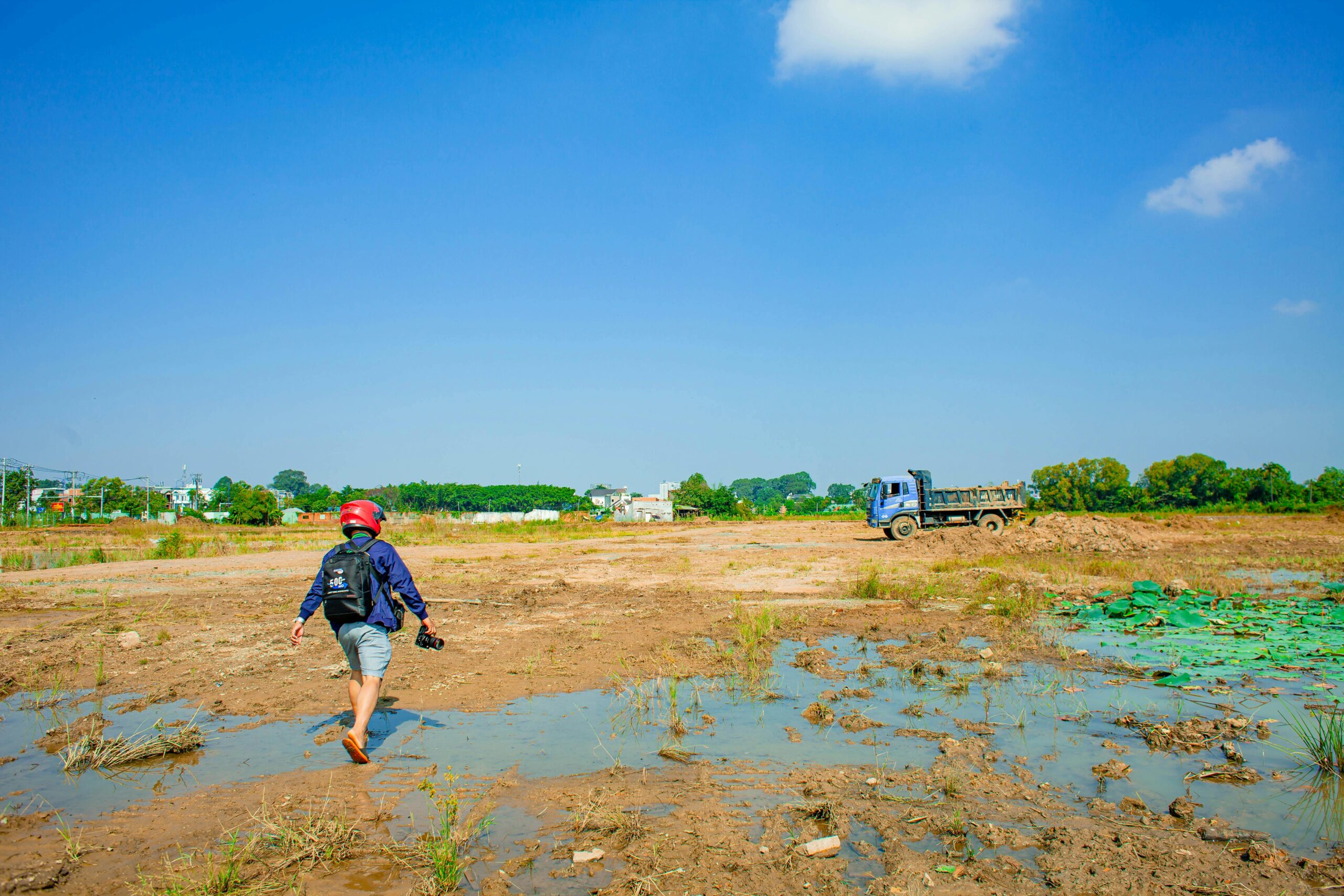
The natural world speaks in a symphony of sounds, from bird calls echoing through canopies to frog choruses resonating across wetlands, revealing secrets about ecosystem health and biodiversity.

🎵 The Hidden Orchestra: Understanding Bioacoustic Monitoring
Bioacoustic monitoring represents a revolutionary approach to understanding wildlife populations and ecosystem dynamics without disturbing the subjects of study. This non-invasive technique captures the acoustic signatures of environments, creating detailed soundscapes that serve as ecological fingerprints. Scientists and conservationists increasingly rely on these audio recordings to track species presence, abundance, and behavioral patterns across vast and often inaccessible terrains.
The technology behind bioacoustic monitoring has evolved dramatically over recent decades. Early researchers carried bulky tape recorders into the field, manually cataloging hours of recordings. Today’s autonomous recording units operate continuously for months, weatherproofing themselves against rain, snow, and extreme temperatures while capturing high-quality audio data. These devices have democratized wildlife monitoring, allowing researchers to maintain a presence in remote forests and wetlands long after they’ve returned to their laboratories.
What makes bioacoustic monitoring particularly valuable is its ability to document the invisible. Many species remain cryptic, hiding in dense vegetation or emerging only during specific hours. Their vocalizations, however, betray their presence. A single recording session can reveal dozens of species that might never appear before camera traps or human observers, creating a comprehensive acoustic census of biodiversity.
🌲 Forest Soundscapes: Layers of Acoustic Complexity
Forest environments present some of the most acoustically rich habitats on Earth. The vertical stratification of forests creates distinct acoustic niches, with different species occupying different frequency ranges and temporal windows. Canopy-dwelling birds produce high-frequency calls that carry through the upper forest layers, while ground-dwelling mammals communicate through lower frequency vocalizations that travel efficiently through dense understory vegetation.
Dawn choruses in temperate and tropical forests represent peak moments of acoustic activity. During these periods, which typically occur 30 to 60 minutes before sunrise, male birds establish territories and attract mates through elaborate vocal displays. Researchers have discovered that the timing and composition of dawn choruses serve as sensitive indicators of habitat quality and seasonal changes. Degraded forests show reduced acoustic complexity, with fewer species contributing to the morning symphony.
Insect sounds constitute another critical component of forest soundscapes. Cicadas, crickets, and katydids produce continuous background noise that varies with temperature, humidity, and time of year. These invertebrate choruses follow predictable patterns, and disruptions to these patterns can signal environmental disturbances such as pesticide use, invasive species, or climate-related shifts in phenology.
Acoustic Indicators of Forest Health
Scientists have developed acoustic indices that quantify soundscape complexity and diversity. These metrics transform audio recordings into numerical values that correlate with biodiversity levels and ecosystem integrity. The Acoustic Complexity Index (ACI) measures the variability of sound intensity across frequencies, while the Bioacoustic Index focuses on the distribution of energy across the frequency spectrum. Higher values typically indicate healthier, more diverse ecosystems.
Anthropogenic noise pollution significantly impacts forest soundscapes. Roads, aircraft, industrial activities, and recreational use introduce sounds that mask natural acoustic communication. Studies show that traffic noise reduces the effective communication range for songbirds by up to 90%, forcing birds to alter their vocal behavior or abandon otherwise suitable habitats. Bioacoustic monitoring quantifies these impacts, providing evidence for conservation planning and noise mitigation strategies.
🦆 Wetland Acoustics: The Sound of Water and Life
Wetlands produce distinctive soundscapes dominated by amphibian calls, waterfowl vocalizations, and the sounds of water movement. These aquatic and semi-aquatic environments support extraordinary biodiversity, and their acoustic signatures reflect seasonal flooding cycles, water quality, and habitat connectivity. Frogs and toads, in particular, serve as acoustic indicators of wetland health, with calling activity closely tied to precipitation patterns, temperature, and breeding conditions.
Amphibian choruses follow species-specific patterns, with different frogs occupying distinct acoustic niches. Some species call from shallow water edges, others from floating vegetation, and still others from adjacent uplands. Each species uses unique frequency ranges and temporal patterns, minimizing acoustic interference and maximizing reproductive success. The collective result is a complex acoustic tapestry that changes throughout the night and across seasons.
Wetland birds contribute dramatically different acoustic elements compared to forest species. Waterfowl produce harsh, low-frequency calls that carry across open water. Rails and bitterns vocalize primarily at night, their secretive nature making them ideal subjects for acoustic monitoring. Shorebirds create high-pitched calls during migration, and their presence in recordings documents important stopover sites and migration timing.
Seasonal Dynamics in Wetland Soundscapes
Wetland acoustics undergo dramatic seasonal transformations. Spring breeding seasons explode with amphibian activity as males compete for females through vocal displays. Summer brings insect dominance, with dragonflies, mosquitoes, and aquatic beetles contributing to the ambient sound. Autumn introduces migrating waterfowl, whose calls signal changing seasons. Winter soundscapes become sparse in temperate regions but remain active in tropical wetlands, where breeding cycles follow rainfall rather than temperature.
Water level fluctuations profoundly influence wetland soundscapes. During flood events, aquatic species expand their ranges, and calling frogs exploit newly available breeding sites. Drought periods concentrate wildlife around remaining water sources, intensifying acoustic activity in refugia while silencing dried wetlands. Long-term bioacoustic monitoring tracks these hydrological changes, providing data essential for wetland management and restoration.
🔬 Technology and Methodology: Tools of the Trade
Modern bioacoustic monitoring relies on sophisticated recording equipment designed for extended field deployment. Autonomous recording units feature omnidirectional microphones, weather-resistant housings, and programmable recording schedules. These devices capture audio at specific intervals, balancing data collection goals with battery life and storage capacity. Typical deployment strategies involve recording 1-5 minutes per hour, creating representative samples of daily acoustic patterns while conserving resources.
Microphone selection significantly impacts data quality. Omnidirectional microphones capture sound from all directions, providing comprehensive soundscape documentation. Directional microphones focus on specific areas or species, reducing background noise and increasing detection ranges for target vocalizations. Ultrasonic microphones extend recording capabilities into frequencies beyond human hearing, essential for detecting bat echolocation and insect communication.
Data storage and management present considerable challenges. A single recording unit operating for three months generates hundreds of gigabytes of audio data. Cloud-based storage solutions and automated analysis pipelines have become essential for managing these massive datasets. Researchers increasingly employ machine learning algorithms to automatically detect and classify species vocalizations, dramatically reducing the time required for manual analysis.
Machine Learning and Automated Recognition
Artificial intelligence has revolutionized bioacoustic analysis. Convolutional neural networks trained on spectrograms—visual representations of sound—can identify species with accuracy rivaling human experts. These algorithms learn distinctive acoustic features, recognizing calls even in noisy recordings where multiple species vocalize simultaneously. Automated recognition systems process months of recordings in hours, identifying rare species, quantifying calling activity, and generating biodiversity metrics.
Citizen science initiatives have expanded through mobile applications that enable amateur naturalists to contribute to bioacoustic research. These apps record environmental sounds and upload them to centralized databases, where algorithms classify species and researchers access real-time biodiversity data. The democratization of bioacoustic monitoring engages public audiences while generating valuable scientific information across geographic scales impossible for professional researchers alone.
🌍 Conservation Applications: From Data to Action
Bioacoustic monitoring informs conservation decision-making across multiple scales. At local levels, soundscape analysis identifies high-quality habitats requiring protection and degraded areas needing restoration. Regional studies track population trends for threatened species, providing early warnings of declines before they become critical. Global initiatives use standardized acoustic monitoring protocols to assess biodiversity patterns and climate change impacts across continents.
Protected area management increasingly incorporates acoustic monitoring into surveillance programs. National parks and nature reserves deploy recording networks that detect illegal activities such as chainsaw logging, gunshots, and vehicle intrusions. These acoustic sentinels operate continuously, alerting rangers to potential violations in real-time. The same systems simultaneously document wildlife presence, creating dual-purpose monitoring networks that enhance both law enforcement and biological research.
Restoration ecology benefits tremendously from bioacoustic assessment. Post-restoration monitoring tracks the return of target species and the recovery of acoustic complexity. Successful wetland restorations show progressive increases in amphibian diversity and calling activity. Reforested areas gradually develop more complex soundscapes as bird communities reassemble. These acoustic indicators provide quantitative evidence of restoration success, guiding adaptive management and demonstrating conservation outcomes to stakeholders.
Climate Change Detection Through Sound
Long-term bioacoustic datasets reveal climate change impacts on wildlife phenology and distribution. Warming temperatures shift breeding seasons earlier, detectable through changes in calling activity timing. Species ranges expand poleward and upward in elevation, documented through acoustic monitoring networks that capture colonization events. Extreme weather events disrupt normal acoustic patterns, with recordings capturing the immediate and long-term consequences of droughts, floods, and hurricanes.
Acoustic monitoring provides cost-effective surveillance across vast areas where traditional survey methods prove impractical. Tropical rainforests, Arctic tundra, and remote wetlands present logistical challenges that autonomous recording units overcome through persistent, weather-resistant operation. These deployments generate standardized data comparable across sites and years, essential for detecting subtle environmental changes against natural variability.
🎧 Challenges and Future Directions
Despite its advantages, bioacoustic monitoring faces several challenges. Acoustic data requires specialized expertise to analyze effectively. Species identification from vocalizations demands familiarity with regional faunas and acoustic characteristics. Background noise from wind, rain, and human activities complicates automated analysis, producing false positives and missed detections. Standardizing protocols across studies remains difficult, limiting data comparability and synthesis.
Equipment costs, while declining, still present barriers for resource-limited organizations. High-quality recording units cost hundreds to thousands of dollars, and comprehensive monitoring networks require multiple units deployed across study areas. Battery replacement and data retrieval necessitate field visits, adding labor costs and access challenges. Solar panels and wireless data transmission reduce maintenance requirements but increase initial investment and technical complexity.
Privacy concerns emerge when acoustic monitoring occurs near human communities. Recordings may inadvertently capture human conversations, raising ethical and legal questions about consent and data use. Researchers must balance scientific objectives with privacy protection, implementing protocols that safeguard human subjects while achieving conservation goals. Clear communication with local communities builds trust and ensures monitoring programs gain social license to operate.
Emerging Technologies and Innovations
Future bioacoustic monitoring will integrate multiple sensor types, combining acoustic data with cameras, weather stations, and environmental sensors. These multi-modal approaches provide context for acoustic patterns, linking vocalizations to temperature, humidity, and behavioral observations. Distributed sensor networks communicate wirelessly, creating real-time biodiversity monitoring systems that alert researchers to significant events as they occur.
Miniaturization continues advancing, with next-generation recorders shrinking to matchbox sizes while maintaining professional audio quality. These tiny devices enable new deployment strategies, including attachment to wildlife, installation in sensitive habitats with minimal disturbance, and distribution across fine spatial scales that reveal micro-habitat acoustic variation. Costs decrease as technology matures, democratizing access for small organizations and developing countries.
Artificial intelligence capabilities will expand beyond species recognition to behavioral classification, individual identification, and emotion detection. Algorithms will distinguish alarm calls from foraging vocalizations, identify specific individuals by voice characteristics, and assess stress levels through acoustic features. These advances transform bioacoustic monitoring from presence-absence documentation to detailed behavioral ecology at population scales.
🌟 The Symphony Continues: Embracing Acoustic Ecology
Bioacoustic monitoring represents more than technological innovation—it embodies a philosophical shift toward less invasive, more holistic approaches to understanding nature. By listening rather than capturing, observing rather than disturbing, researchers gain insights while minimizing their ecological footprints. The soundscapes of forests and wetlands tell stories of seasonal cycles, species interactions, and environmental changes, narrating ecological processes through acoustic signatures.
Education and public engagement benefit from bioacoustic recordings that bring wilderness experiences to classrooms and living rooms. Students listen to dawn choruses from distant rainforests, compare soundscapes across seasons, and develop acoustic literacy that deepens environmental awareness. Artists and musicians find inspiration in natural soundscapes, creating works that celebrate biodiversity and raise conservation consciousness through aesthetic experiences.
The future of conservation increasingly depends on comprehensive, long-term monitoring that detects changes before they become irreversible. Bioacoustic monitoring provides this capability, offering scalable, cost-effective surveillance across habitats and species. As recording networks expand and analytical tools improve, the acoustic data archive grows, creating an irreplaceable resource for understanding how ecosystems respond to human pressures and guiding evidence-based conservation action.
Every forest bird song and wetland frog chorus contributes to Earth’s acoustic heritage, a natural symphony that has played for millennia. Through bioacoustic monitoring, we finally possess the tools to truly listen, to understand what these sounds reveal about ecosystem health, and to act as informed stewards of the wild soundscapes that enrich our planet. The orchestra continues its performance—we need only tune in and respond to what we hear. 🎶