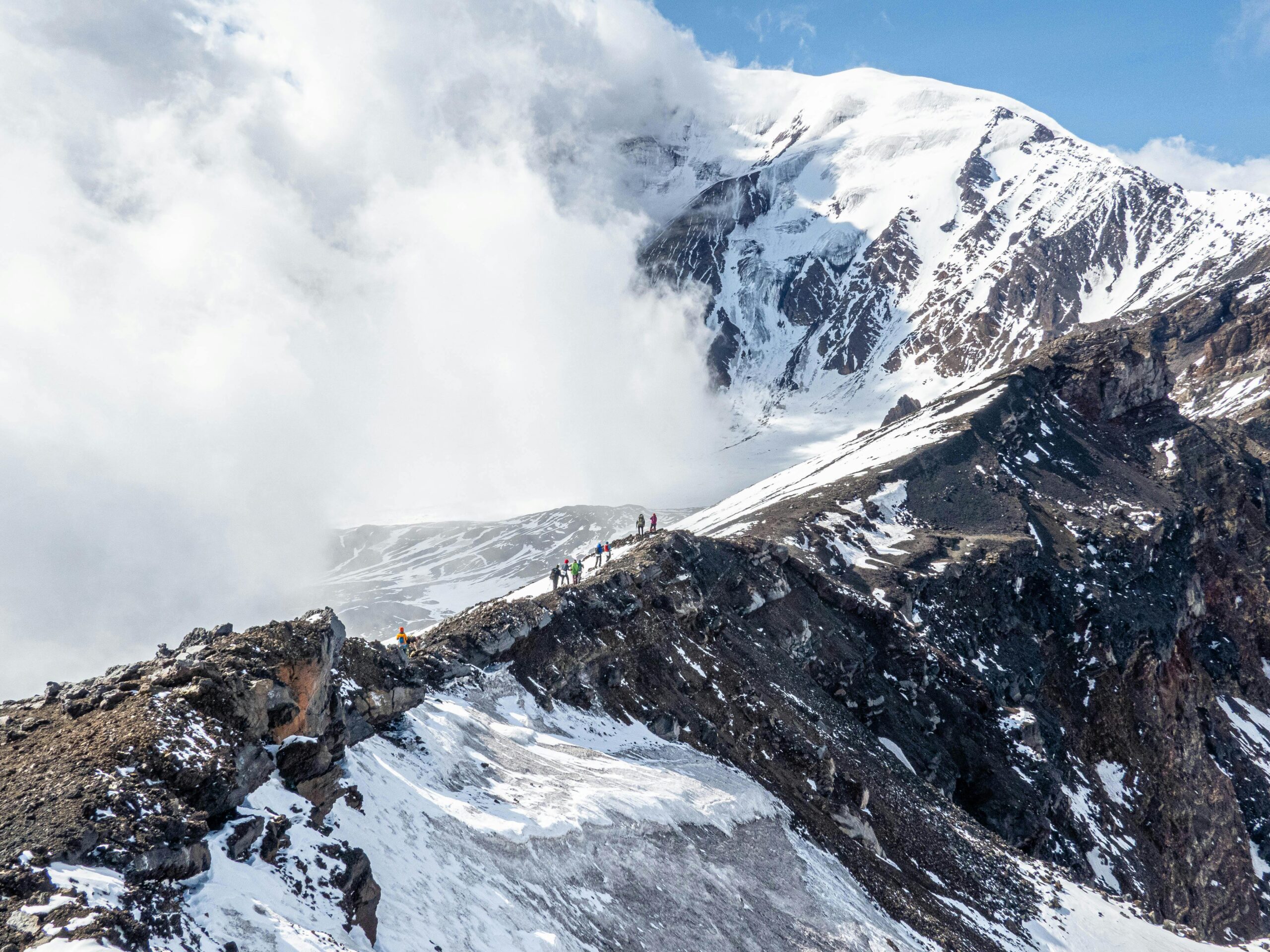
Nature speaks in rhythms—winds whisper through trees, rain drums on leaves, birds call at dawn. These sounds shift with the seasons, weaving an ever-changing symphony across our planet. 🌍

The relationship between sound and climate throughout the seasons represents one of nature’s most fascinating yet often overlooked phenomena. As temperatures rise and fall, as precipitation patterns change, and as daylight hours lengthen or shorten, the acoustic landscape of our environment undergoes profound transformations. Understanding these connections offers us insight not only into ecological systems but also into how climate change is reshaping the natural world around us.
From the crackling of ice in winter to the buzzing chorus of insects in summer, seasonal soundscapes provide a direct window into the health and rhythm of ecosystems. These auditory signals have guided humans for millennia, helping us predict weather patterns, track animal migrations, and understand our place within the natural order.
The Orchestra of Spring: Awakening Soundscapes 🌸
Spring arrives not just as a visual spectacle but as an acoustic explosion. After winter’s relative silence, the world erupts with sound. This seasonal transition marks one of the most dramatic acoustic shifts in temperate regions, driven primarily by warming temperatures and increasing daylight hours.
The dawn chorus intensifies as resident birds begin territorial singing and migratory species return from their winter grounds. Studies have shown that bird song timing correlates directly with temperature increases, with many species beginning their breeding calls when ambient temperatures reach specific thresholds. This phenomenon, known as phenological advancement, has become a key indicator of climate change impacts.
Amphibians emerge from hibernation, creating wetland choruses that can reach up to 100 decibels in intensity. The timing of these frog and toad calls serves as a biological thermometer, with research demonstrating that breeding calls now occur an average of 5-12 days earlier than they did fifty years ago in many regions.
Wind Patterns and Acoustic Transmission
Spring weather patterns significantly affect how sound travels through the environment. The mixing of warm and cold air masses creates temperature gradients that can bend sound waves, sometimes carrying sounds further than during more stable seasons. This acoustic refraction means that spring thunderstorms can be heard from greater distances, and bird songs carry differently through the warming air.
The unfurling of leaves throughout spring progressively dampens sound transmission, creating a gradual shift in the acoustic environment. Early spring forests, with bare branches, allow sound to travel more freely than late spring woodlands where canopy development begins to absorb and scatter acoustic energy.
Summer’s Symphony: Peak Biological Activity 🦗
Summer represents the crescendo of nature’s annual sound cycle in most ecosystems. Warmer temperatures drive metabolic rates higher, resulting in increased acoustic activity from insects, birds, and mammals. The soundscape becomes layered and complex, with different species occupying distinct acoustic niches to avoid interference.
Insect choruses dominate summer nights in many regions, with cicadas, crickets, and katydids creating pulsing rhythms that vary with temperature. The rate of cricket chirps, for instance, correlates so reliably with temperature that you can estimate ambient conditions by counting chirps—a phenomenon known as Dolbear’s law. Each species has an optimal temperature range for calling, creating a succession of different insect sounds as nights cool from dusk to dawn.
Heat and Sound Velocity
Temperature directly affects the speed of sound through air. Warmer air molecules move faster, transmitting sound waves more quickly. During summer, sound travels approximately 12 meters per second faster than in winter conditions. This may seem negligible, but it affects how animals perceive distance and direction of calls, potentially influencing territorial behavior and mate selection.
Summer storms bring their own dramatic acoustic signatures. Thunder during warm months often sounds different than winter thunder due to atmospheric conditions—longer rumbles and more complex acoustic patterns result from sound waves bouncing off multiple temperature layers in the unstable summer atmosphere.
Autumn’s Transition: The Quieting World 🍂
Autumn represents an acoustic transition as biological activity begins to slow. Many bird species cease territorial singing, though migration brings temporary acoustic diversity as different species pass through regions. The sounds of autumn are characterized by movement—wind through drying leaves, rustling as animals prepare for winter, and the calls of migrating waterfowl overhead.
The soundscape of falling leaves creates a distinctive white noise that varies with moisture content and wind speed. Dry leaves produce sharper, crisper sounds, while damp foliage creates softer rustling. This seasonal sound has been shown to affect stress levels in humans, with many people finding autumn forest sounds particularly calming.
Migration Soundtracks
Autumn nights carry the flight calls of migrating birds—small chips and chirps that researchers can record and analyze to track population movements. These nocturnal migration calls have become increasingly important for monitoring how climate change affects migration timing. Many species now migrate later than historical norms, with some short-distance migrants barely migrating at all in warmer years.
The acoustic signature of autumn also includes increased mammal vocalizations as deer, elk, and other ungulates enter rutting season. These mating calls—bugling elk, grunting deer—represent some of the most powerful natural sounds in temperate ecosystems, sometimes audible for several kilometers.
Winter’s Whisper: Silence and Subtlety ❄️
Winter brings the year’s quietest soundscapes in many regions. Cold temperatures suppress insect activity entirely, most birds have migrated, and many mammals hibernate or reduce activity. Yet winter is far from silent—it simply requires more careful listening.
Snow and ice create their own acoustic signatures. Fresh snow absorbs sound remarkably well, creating the muffled quiet that many associate with winter landscapes. The porous structure of snow traps sound waves, reducing acoustic transmission by up to 60% compared to bare ground. As snow ages and compacts, it loses this absorptive quality, and the soundscape gradually opens up again.
Ice makes distinctive sounds as it expands, contracts, and cracks with temperature fluctuations. Frozen lakes produce remarkable acoustic phenomena—booming, cracking, and singing sounds as ice sheets adjust to thermal stress. These sounds can travel long distances across frozen surfaces, creating eerie winter soundscapes.
Cold Air Acoustics
Cold air’s density affects sound transmission in specific ways. Temperature inversions—where cold air sits beneath warmer air—can create acoustic ducts that channel sound waves horizontally for extraordinary distances. Winter nights with strong inversions allow sounds to carry much further than during other seasons, which is why distant trains, highways, or other human noises often seem louder on cold, clear nights.
Climate Change: Disrupting Nature’s Rhythm 🌡️
Climate change is fundamentally altering seasonal soundscapes worldwide. Shifting temperature patterns, changing precipitation, and phenological disruptions are creating mismatches in the carefully timed acoustic relationships that species have evolved over millennia.
Bird populations are arriving at breeding grounds to find that peak insect availability no longer synchronizes with their nesting period. This temporal mismatch—driven by differential warming rates affecting insects versus migratory birds—reduces reproductive success. Researchers use acoustic monitoring to track these changes, recording shifts in the timing and intensity of dawn choruses across decades.
Amphibian breeding choruses provide some of the clearest evidence of climate disruption. Many species now call weeks earlier than historical norms, but warm spells followed by freezing events can devastate populations that emerge prematurely. The acoustic record of wetlands—their presence, intensity, and timing—serves as an early warning system for ecosystem stress.
Soundscape Ecology as a Monitoring Tool
Scientists increasingly use soundscape ecology to monitor environmental health and climate impacts. Automated acoustic recorders can capture months of continuous sound data, which algorithms then analyze for biodiversity indices, species presence, and ecosystem functioning. These acoustic surveys reveal patterns invisible to traditional visual surveys:
- Species activity patterns shifting to cooler parts of the day during heat waves
- Geographic range expansions of warm-adapted species into previously cooler regions
- Declining acoustic diversity in ecosystems stressed by temperature extremes
- Changes in seasonal timing of reproductive choruses and territorial behaviors
- Increased acoustic masking from extreme weather events
The acoustic niche hypothesis suggests that species partition soundscape space to minimize interference, with different species calling at different frequencies or times. Climate change disrupts these carefully balanced arrangements, potentially forcing acoustic competition where none existed before.
Human Connections to Seasonal Sounds 🎵
Humans have deep psychological and cultural connections to seasonal soundscapes. These acoustic rhythms have shaped cultures, inspired music, and provided comfort through predictability. The loss or alteration of familiar seasonal sounds due to climate change represents not just ecological disruption but cultural loss as well.
Traditional ecological knowledge from indigenous cultures worldwide contains detailed observations about seasonal sound patterns—when certain frogs call, specific fish arrive, or particular winds bring weather changes. This acoustic knowledge, accumulated over generations, is becoming increasingly unreliable as climate patterns shift.
Urban soundscapes show even more dramatic seasonal variations than natural areas, with human activity patterns overlaying natural rhythms. Cities are generally louder in winter when bare trees provide less sound dampening, yet biological sounds are at their minimum, creating an acoustic environment dominated by human noise.
Therapeutic Aspects of Seasonal Sounds
Research in environmental psychology demonstrates that natural soundscapes provide significant mental health benefits. Seasonal sounds specifically trigger memories, mark time’s passage, and connect people to place. Spring bird songs activate reward centers in the brain, while autumn leaf sounds reduce stress markers. Winter’s quiet supports contemplation and focus, while summer’s insect chorus can aid sleep.
The growing field of ecoacoustics recognizes these connections, studying how soundscape quality affects both wildlife and human wellbeing. Protected natural areas with intact seasonal soundscapes increasingly serve as acoustic refuges where people can experience diminishing natural sound patterns.
Recording and Preserving Acoustic Heritage 📻
Sound archivists and researchers worldwide work to document seasonal soundscapes before climate change alters them irrevocably. These recordings create acoustic time capsules—capturing specific places at specific times with species assemblages that may never recur.
Long-term acoustic monitoring projects reveal changes that unfold too gradually for human perception. Comparing recordings from the same location across decades shows species disappearances, timing shifts, and intensity changes that document environmental transformation in vivid, immediate ways that graphs and charts cannot match.
Community science projects increasingly incorporate sound recording, with volunteers documenting seasonal acoustic events in their regions. These distributed observations create networks of acoustic data across landscapes, revealing regional patterns and local variations in how climate change affects soundscapes.
Listening Forward: The Future of Seasonal Soundscapes 🔮
Projecting how seasonal soundscapes might change requires understanding complex interactions between temperature, precipitation, species physiology, and ecological relationships. Climate models suggest that seasonal acoustic patterns will become less distinct in many regions as temperature ranges compress and extreme events become more frequent.
Some species demonstrate remarkable acoustic plasticity, adjusting call timing, frequency, or intensity in response to changing conditions. Others appear acoustically inflexible, potentially placing them at disadvantage as their traditional calling times become misaligned with optimal environmental conditions.
Novel soundscapes are emerging in some regions—combinations of species, sounds, and timing that have no historical precedent. Tropical species moving into formerly temperate zones, year-round activity in areas that once experienced winter quiescence, and acoustic communities reshuffled by differential climate responses create new seasonal rhythms.
Practical Ways to Experience Seasonal Soundscapes 🎧
Connecting with seasonal soundscapes requires intentional listening. Even in urban environments, seasonal acoustic changes occur. Early morning and evening hours typically offer the richest sound experiences, as these times historically provided optimal acoustic conditions for animal communication.
Creating a personal acoustic phenology journal—noting first bird songs, insect choruses, or other seasonal sounds—develops listening skills while generating valuable observational data. Many people find that focused listening increases their awareness of environmental change and deepens their sense of place.
Technology enables new forms of acoustic engagement. Smartphone apps can identify bird calls, insect sounds, and even individual frog species by their acoustic signatures. Recording seasonal sounds creates personal archives that document local changes over time.
Resonating With Nature’s Tempo 🌿
The rhythms of sound and climate throughout the seasons represent fundamental patterns that organize life on Earth. These acoustic cycles reflect the physical constraints of temperature and weather while expressing the biological imperatives of reproduction, territoriality, and survival. As climate change accelerates, seasonal soundscapes provide both early warning of ecosystem disruption and motivation for conservation action.
Understanding the harmony between sound and seasons reminds us that we inhabit a living, breathing planet where countless species communicate, compete, and cooperate through acoustic channels. These soundscapes—from spring’s first robin to winter’s creaking ice—connect us to natural processes larger than ourselves yet intimately affecting our daily experience.
The seasonal symphony continues playing, though climate change alters its score. By listening carefully, documenting what we hear, and working to preserve intact ecosystems, we maintain acoustic diversity and the remarkable natural harmony that has characterized Earth’s seasons for millennia. The sounds of nature throughout the year remind us what we stand to lose and inspire us toward the changes necessary to preserve these irreplaceable acoustic treasures for future generations.