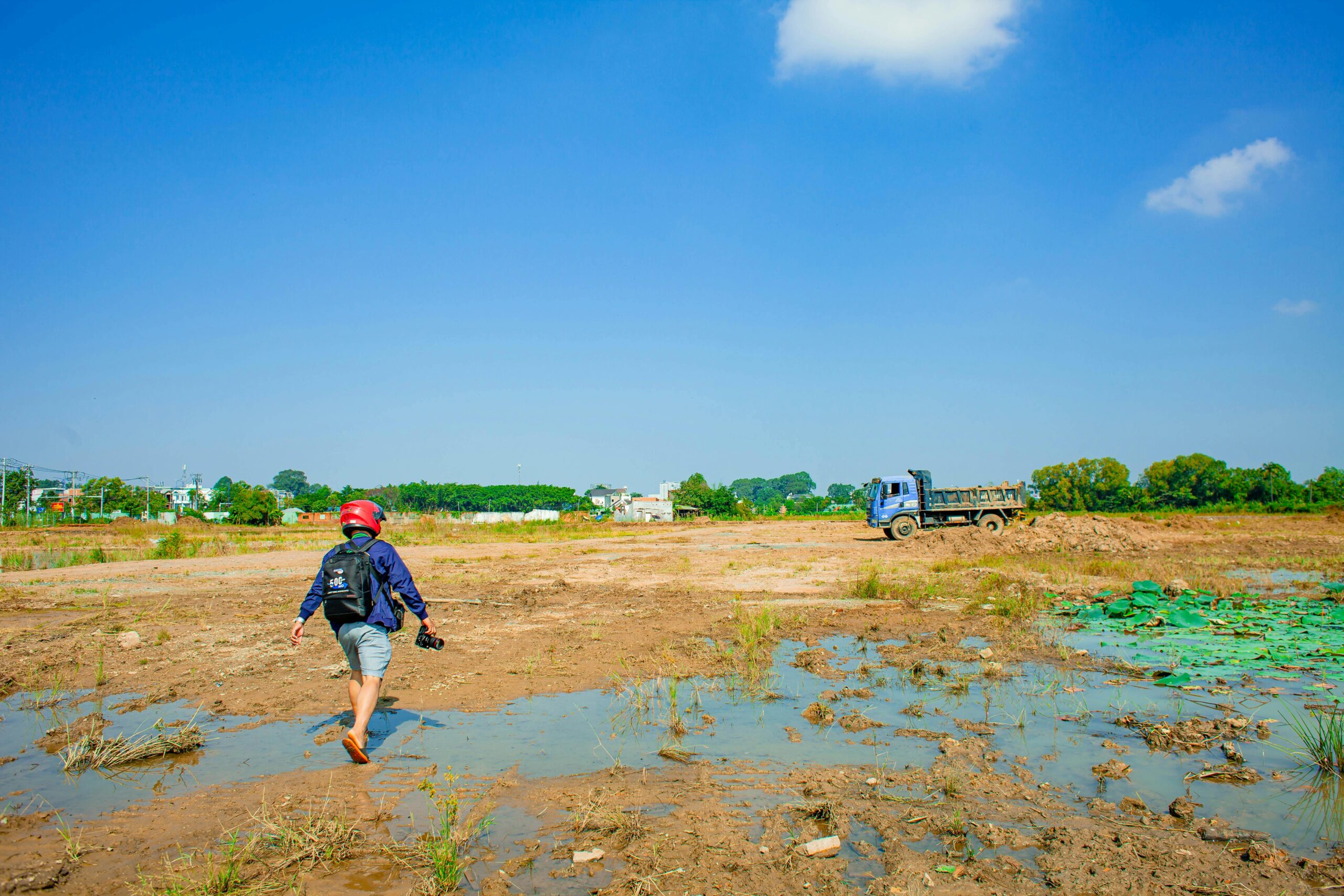
The convergence of technology, environmental science, and acoustic research is reshaping how we understand and protect our planet’s delicate ecosystems.

🌍 The Digital Revolution in Environmental Conservation
Modern technology has transformed the landscape of ecological research and environmental protection. Mobile applications, powered by sophisticated algorithms and real-time data processing, are enabling scientists, conservationists, and citizen activists to monitor, analyze, and respond to environmental challenges with unprecedented precision. This digital transformation represents more than just convenience—it’s becoming essential for addressing the climate crisis and biodiversity loss.
Applications designed for ecological monitoring combine multiple disciplines, from bioacoustics to geospatial mapping, creating comprehensive tools that were unimaginable just a decade ago. These platforms allow users to contribute to global databases, identify species through sound recognition, measure pollution levels, and track environmental changes in real-time. The democratization of environmental data through mobile technology is empowering communities worldwide to take active roles in conservation efforts.
🔊 Acoustic Ecology: Listening to Nature’s Hidden Stories
Acoustic ecology, also known as soundscape ecology, explores the relationship between living organisms and their environment through sound. This interdisciplinary field recognizes that natural soundscapes contain vital information about ecosystem health, species diversity, and environmental disturbances. Every rustle, chirp, and call creates an acoustic fingerprint that reveals the state of an ecosystem.
Researchers use specialized recording equipment and analytical software to capture and interpret these soundscapes. The data collected provides insights into animal behavior, migration patterns, breeding cycles, and stress responses to human activities. Acoustic monitoring offers several advantages over traditional visual surveys: it operates continuously day and night, covers larger areas, and detects species that are difficult to observe visually.
The Science Behind Sound Analysis
Sound travels through different media—air, water, and soil—carrying information about its source and the environment it traverses. Modern acoustic analysis employs spectrograms, which visualize sound frequencies over time, allowing researchers to identify individual species and detect patterns in ecosystem activity. Machine learning algorithms trained on vast libraries of animal vocalizations can now automatically recognize thousands of species based solely on their acoustic signatures.
These technological advances have made acoustic monitoring more accessible and efficient. What once required extensive field experience and hours of manual audio analysis can now be automated, processing weeks of recordings in minutes. This efficiency multiplier enables researchers to monitor more locations simultaneously and detect subtle environmental changes that might otherwise go unnoticed.
📱 Revolutionary Applications Bridging Technology and Nature
The proliferation of smartphone technology has created opportunities for innovative applications that put powerful environmental monitoring tools in everyone’s hands. These applications serve multiple purposes: education, data collection, species identification, and real-time environmental reporting. They transform passive observers into active participants in scientific research through citizen science initiatives.
Bioacoustic Identification Tools
Sound-based identification applications represent one of the most exciting developments in citizen science. Users can record bird songs, insect sounds, or marine mammal calls, and the application identifies the species using sophisticated audio recognition algorithms. These tools are invaluable for biodiversity surveys, helping create comprehensive inventories of species in specific regions.
Applications like BirdNET use artificial intelligence trained on millions of bird recordings to identify over 3,000 bird species by their songs and calls. Users simply record a bird’s vocalization, and the app provides potential matches with confidence scores. This data doesn’t just help individuals—it contributes to global migration studies and population monitoring efforts when users share their observations.
Environmental Monitoring and Pollution Detection
Beyond biological monitoring, applications now measure environmental parameters like air quality, noise pollution, and water contamination. Some use the phone’s built-in sensors, while others connect to external devices for more precise measurements. These applications create crowd-sourced pollution maps, revealing hotspots and trends that inform public health decisions and regulatory enforcement.
Noise pollution monitoring applications measure ambient sound levels and frequency distributions, helping identify areas exceeding safe exposure limits. Urban planners and environmental health specialists use this data to design quieter cities and protect residents from harmful noise exposure. The ability to document noise complaints with verified measurements has also strengthened community advocacy efforts.
🌿 Ecosystem Health Assessment Through Acoustic Indices
Scientists have developed acoustic indices—mathematical formulas that quantify soundscape characteristics—to assess ecosystem health without identifying individual species. These indices measure sound diversity, complexity, and evenness, providing a holistic picture of biological activity. A healthy ecosystem typically exhibits rich acoustic diversity, with many species contributing to a complex soundscape.
The Acoustic Complexity Index (ACI), Normalized Difference Soundscape Index (NDSI), and Bioacoustic Index (BI) are among the metrics researchers use to evaluate environmental conditions. Applications incorporating these indices allow non-specialists to contribute meaningful data to conservation projects. By recording soundscapes at regular intervals, citizen scientists help track seasonal changes and long-term trends in ecosystem vitality.
Real-World Applications in Conservation
Conservation organizations deploy acoustic monitoring systems in threatened habitats worldwide. In rainforests, these systems detect illegal logging by recognizing chainsaw sounds and vehicle engines, triggering immediate alerts to rangers. In marine environments, acoustic sensors monitor whale populations and detect harmful shipping activities. These applications provide early warning systems for environmental threats, enabling rapid intervention.
Reforestation projects use acoustic monitoring to evaluate restoration success. As ecosystems recover, their soundscapes gradually regain complexity and diversity. Comparing current soundscapes with baseline recordings or reference sites helps quantify restoration progress beyond simple tree counts. This approach reveals functional recovery—the return of ecological processes and species interactions that define healthy ecosystems.
🎯 Integrating Multiple Data Streams for Comprehensive Analysis
The most powerful environmental applications integrate acoustic data with other information sources: satellite imagery, climate data, species distribution models, and citizen observations. This multi-layered approach creates comprehensive environmental intelligence systems that reveal connections invisible to single-discipline studies.
For example, correlating acoustic activity patterns with weather data might reveal how climate change affects breeding schedules or migration timing. Overlaying acoustic monitoring data with land-use maps identifies which human activities most severely impact wildlife. These integrated platforms transform raw data into actionable insights that guide conservation strategies and policy decisions.
The Role of Artificial Intelligence and Machine Learning
Artificial intelligence drives the analytical power behind modern environmental applications. Machine learning models trained on vast datasets can recognize subtle patterns humans might miss. Deep learning algorithms excel at species identification from images and sounds, often matching or exceeding expert-level accuracy. As these models continuously learn from new data, their performance steadily improves.
Natural language processing techniques applied to environmental monitoring allow applications to generate automated reports and alerts in human-readable formats. Users receive notifications like “Migration activity increased 40% compared to last week” or “Unusual acoustic activity detected—possible disturbance event.” This translation of complex data into accessible information democratizes environmental science.
🔬 Challenges and Limitations in Application-Based Monitoring
Despite their tremendous potential, environmental applications face significant challenges. Data quality varies widely depending on user expertise, equipment quality, and environmental conditions. Background noise in urban areas can interfere with species identification. Limited smartphone battery life restricts continuous monitoring. Inconsistent sampling effort across regions creates geographic biases in datasets.
Privacy concerns arise when applications track user locations or record audio continuously. Balancing data collection needs with user privacy protection requires careful application design and transparent data policies. Additionally, ensuring equitable access to these technologies remains challenging—communities most affected by environmental degradation often have limited smartphone access or internet connectivity.
Addressing Technical and Social Barriers
Developers are addressing these limitations through several strategies. Offline functionality allows data collection in remote areas without connectivity. Calibration protocols and quality control algorithms help standardize measurements across different devices. Partnerships with community organizations ensure technology reaches underserved populations and respects local knowledge systems.
Educational components within applications help users understand proper sampling techniques and data interpretation. Gamification elements—achievements, leaderboards, and challenges—encourage consistent participation and data contribution. By making environmental monitoring engaging and accessible, applications cultivate a new generation of environmentally conscious citizens.
🌊 Marine Acoustic Ecology: Monitoring Ocean Soundscapes
Underwater acoustic monitoring presents unique opportunities and challenges. Sound travels efficiently through water, making acoustics the primary sensory modality for marine life communication, navigation, and prey detection. Hydrophones deployed throughout the oceans record whale songs, dolphin clicks, fish choruses, and the sounds of human activities like shipping and construction.
Marine applications help users identify whale and dolphin species, report sightings, and understand how noise pollution affects marine mammals. Some applications provide real-time ship traffic data overlaid with whale migration routes, highlighting collision risks. This information supports marine spatial planning efforts that balance economic activities with conservation needs.
Coral Reef Acoustics: A Surprising Indicator of Health
Recent research reveals that healthy coral reefs produce distinctive crackling, popping sounds from snapping shrimp, feeding fish, and other inhabitants. Degraded reefs become acoustically quieter as biodiversity declines. Applications analyzing reef soundscapes provide rapid, non-invasive assessments of reef health, complementing visual surveys and helping prioritize restoration efforts.
Innovative restoration projects even use recorded sounds from healthy reefs to attract fish larvae to degraded areas. This acoustic enrichment accelerates recovery by jump-starting the biological processes that characterize functioning reef ecosystems. Applications documenting these experimental approaches contribute to our understanding of sound’s role in ecosystem dynamics.
🚀 Future Directions: Expanding Possibilities
The future of environmental applications lies in increased integration, automation, and predictive capabilities. Edge computing will enable real-time analysis directly on devices, reducing latency and bandwidth requirements. Satellite-connected sensors will extend monitoring to the most remote regions. Blockchain technology might verify data authenticity and create transparent environmental credit systems.
Augmented reality features could overlay ecological information onto physical landscapes through smartphone cameras. Users pointing their phones at a forest might see species identifications, ecological relationships, and historical comparisons. These immersive experiences strengthen emotional connections with nature, motivating conservation actions.
Predictive modeling powered by accumulated data will forecast environmental changes before they become critical. Applications might alert users to invasive species arrivals, disease outbreaks, or extreme weather impacts days or weeks in advance. This shift from reactive to proactive environmental management represents a paradigm change in conservation practice.

💡 Empowering Global Environmental Action
Applications at the intersection of ecology, environment, and acoustics exemplify technology’s potential to address humanity’s greatest challenges. They transform smartphones into scientific instruments, turning casual nature enthusiasts into valuable research contributors. The data generated by millions of users creates unprecedented opportunities for large-scale environmental monitoring and rapid response to ecological threats.
Success requires continued collaboration between technologists, scientists, policymakers, and communities. Applications must remain open, transparent, and responsive to user needs. Data must flow freely to researchers while respecting privacy and intellectual property rights. Most importantly, technological solutions must complement rather than replace direct human engagement with nature.
The power of these applications ultimately depends on the people using them. Technology provides tools, but humans provide the curiosity, concern, and commitment necessary for meaningful environmental action. By unleashing the collective power of connected individuals armed with sophisticated applications, we create a global network of environmental stewards capable of preserving our planet’s irreplaceable natural heritage for future generations. Every recording, observation, and data point contributes to the larger mission of understanding and protecting Earth’s precious ecosystems.